19 Killed in 10 Days in Mozambique Insurgent Attacks
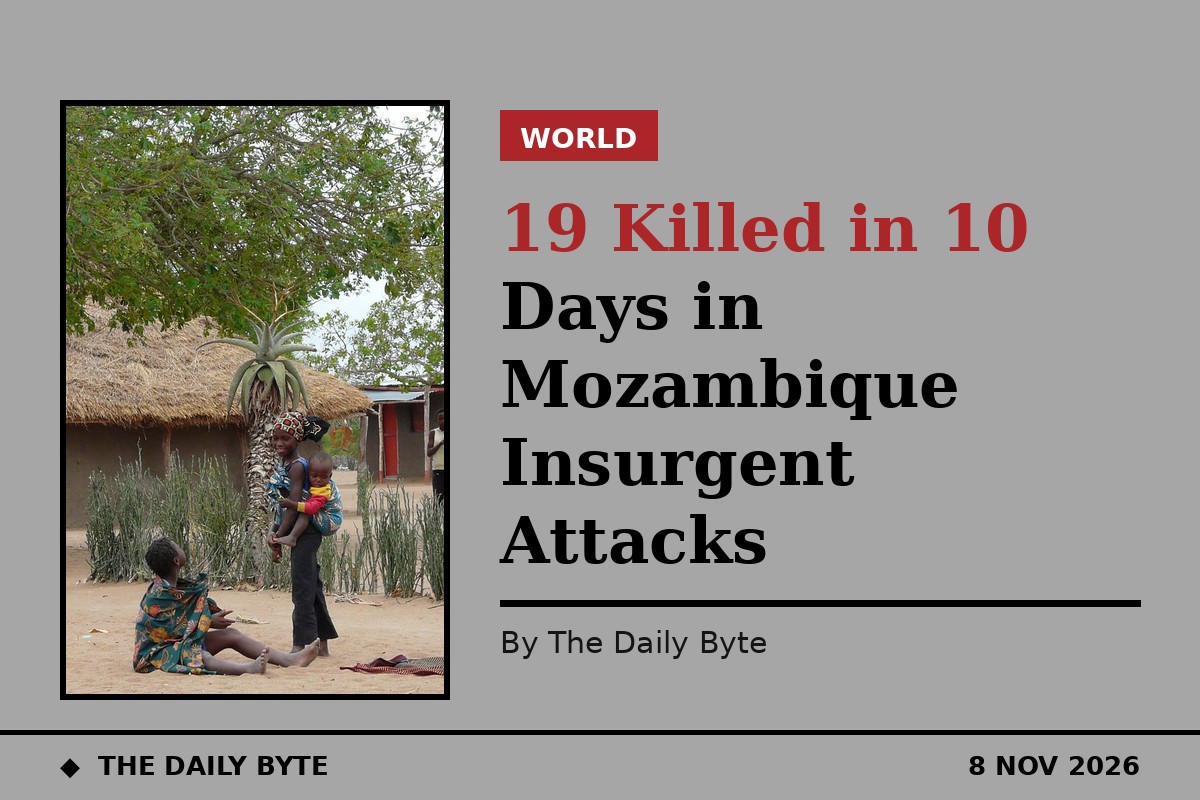
At least 19 people were killed in a wave of insurgent attacks in Mozambique's northern Cabo Delgado province in late October, according to a conflict monitor update published this month.
Between 21 and 31 October, fighters from Islamic State Mozambique attacked at least seven locations in an area straddling the border between Mueda and Muidumbe districts, the Mozambique Conflict Monitor reported. All but one of the victims were civilians going about their daily lives.
Among the dead were two cashew nut buyers, who were killed beneath a cashew tree, and young people brewing napa, a local drink, to sell. The only clash with state forces during the period took place at Ntuchi village, about 10 kilometres from Mueda town.
Islamic State media claims for the attacks described the victims as Christians. The monitor said the description was likely a deliberate attempt to provoke communal tensions in the province, in what has historically been a Makonde-dominated part of Cabo Delgado. It warned that the killings could affect relations between people of Makonde and Mwani origins, particularly in Mocimboa da Praia town.
Local reporting has put the toll at different figures, underlining how hard the violence is to verify from the ground. The Mozambique Times, reporting from Pemba, said Islamic State claimed responsibility for killing 14 people in the two districts in the previous week, while a local page put the number killed on farms in Muidumbe and Mueda at 21. The Times said it had itself confirmed only five killings, all beheadings on farms in low-lying areas between Friday and Saturday.
Residents told the paper that two people were beheaded on Saturday morning shortly after arriving at their farms near Agricola village in Mueda, while three others were beheaded in a low-lying area belonging to Muatide village in Muidumbe. The victims in Muidumbe had been found producing nipa, a spirit made from sugar cane and a traditional source of income for rural communities in the province. The insurgents regard the production, sale and consumption of alcohol as forbidden and punish it with death by beheading.
The monitor described the killings as alarming for two reasons. First, the attackers were able to move unimpeded for more than 10 days in villages close to Mueda town, which is the headquarters of the Local Force and has a significant detachment of Mozambique's armed forces. The insurgents' presence was known locally, the monitor said, but did not trigger an appropriate response from security forces, leaving communities at risk.
Second, the attacks illustrated concerns raised on 27 October by Brigadier-General Sergio Estrela, commander of the European Union military assistance mission in Mozambique, about the armed forces' centralised command structure, intelligence and logistics. He said a centralised command slowed the response time of troops in the field, a problem made worse by insurgents who prefer to operate in small, mobile groups.
The violence is part of an insurgency that has affected Cabo Delgado since 2017 and displaced large numbers of people. More than 7,000 people fled their homes in the province between late September and late October, according to the International Organization for Migration, as attacks spread through Muidumbe and neighbouring districts.
Local communities have described the presence of defence and security forces in the low-lying farming areas of Muidumbe and Mueda as very limited or almost non-existent, allowing insurgents greater freedom of movement. Despite the risk, residents continue to travel to the areas in search of food. Around two weeks before the latest attacks, insurgents killed two men tending vegetable plots in Miteda, in Muidumbe, and abducted the women with them, who were later released after a ransom of 25,000 meticais was paid.