Algonquin Dam cyberattack probed by Illinois
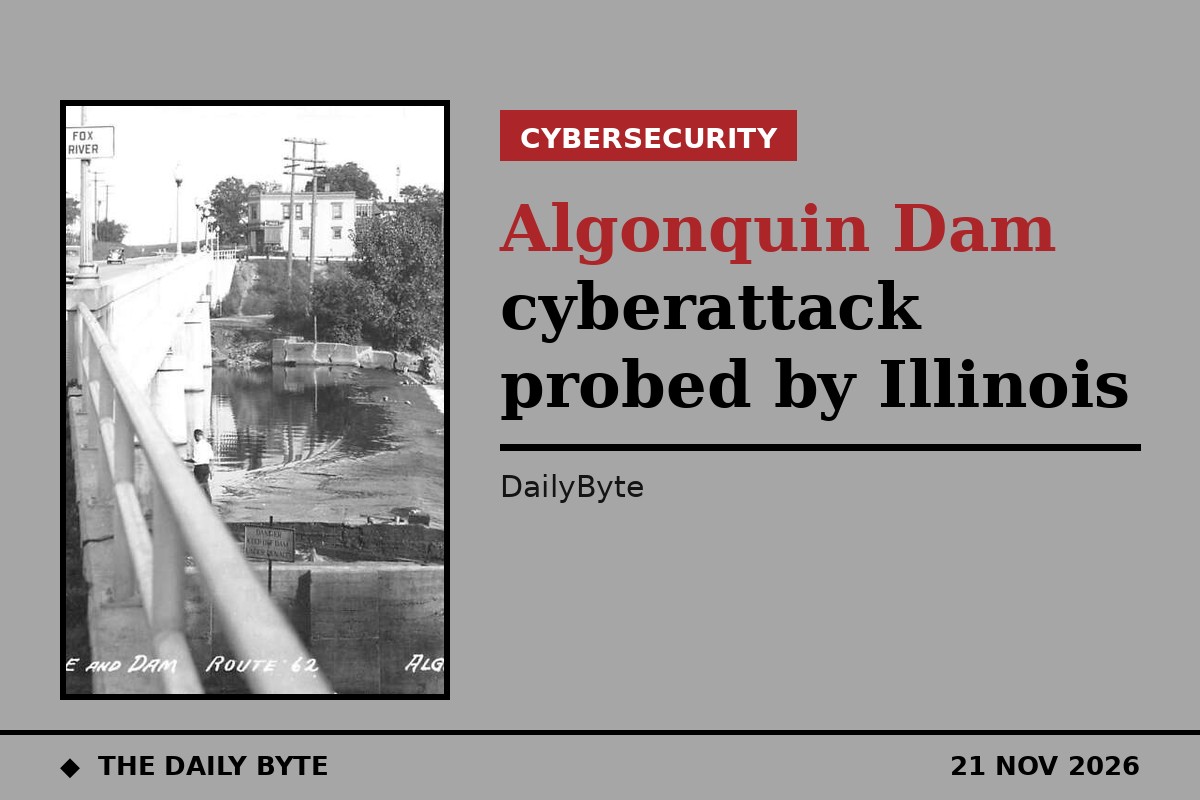
Illinois officials are investigating an apparent cyberattack on the Algonquin Dam, a key piece of water infrastructure on the Fox River about 45 miles north-west of Chicago. The state's Department of Natural Resources disclosed the incident on Friday, saying the dam remained secure and fully operational throughout.
The department said the incident happened on Monday 16 November. Its Office of Water Resources, which operates the dam, detected the attempted intrusion and took immediate action to block any unauthorised access and keep the dam running. Officials have not described the nature of the attack or explained how it was detected.
What happened on Monday
According to the department, staff spotted the incident on Monday and moved at once to secure the dam. In a statement, the department said it "took immediate action to keep the dam secure and fully operational". The dam continued to operate while staff responded to the apparent intrusion, and no disruption to water levels or river operations has been reported.
The disclosure came on Friday, four days after the incident, after reports by the Chicago Tribune and ABC 7. State officials declined to say whether any systems were compromised, whether data was accessed, or whether the public faces any ongoing risk. They also gave no timeline for the investigation.
Who is investigating
Four agencies are involved in the investigation. Alongside the Department of Natural Resources, the inquiry brings in the Illinois State Police, the Illinois Emergency Management Agency and the Illinois Department of Innovation and Technology. The federal Cybersecurity and Infrastructure Security Agency, known as CISA, is also assisting.
The breadth of the response reflects how seriously officials treat any incident affecting water infrastructure, even one in which the facility keeps working. Dams, water treatment plants and other utilities have become a focus of cyber-defence efforts because an attack that disrupts them can have physical consequences far beyond the computer systems involved.
No link to other outages
The department said there was no indication that the incident was connected to any other recent cyberattacks or outages around the country. That point matters because the past week has seen a string of high-profile network disruptions in the United States, including outages affecting Microsoft 365 services, Federal Aviation Administration air traffic control communications systems, and the apps of Chase and other banks.
Federal officials have said they found no indication that those outages were linked to malicious cyber activity, and state officials say the Algonquin Dam incident is a separate matter. The department stressed that, at this stage, there is no evidence tying the dam incident to any of those events.
Why the dam matters
The Algonquin Dam sits on the Fox River in McHenry County and helps manage water levels along that stretch of the river. The river supports local ecosystems and recreation and runs past downstream communities that depend on steady flows.
The dam is rated as having a "Significant" hazard potential, a classification that means a failure would probably not cause loss of human life but could cause economic loss, environmental damage and disruption to lifeline facilities. That rating underlines why even an attempted intrusion draws a multi-agency response, and why officials moved quickly to confirm the structure was secure.
What remains unknown
Much about the incident is still unclear. Officials have not said whether the attackers targeted the dam's control systems, its monitoring equipment or its administrative networks. They have not identified the attacker or described the techniques used, and they have not said whether any data was taken.
Residents near the Fox River should follow official updates from the Department of Natural Resources and the state's emergency management agency for any changes to dam operations or downstream advisories. For now, the official message is that the dam is secure, the investigation continues, and there is no known threat to the public.