Australia's Housing Crisis Is Also a Health Crisis
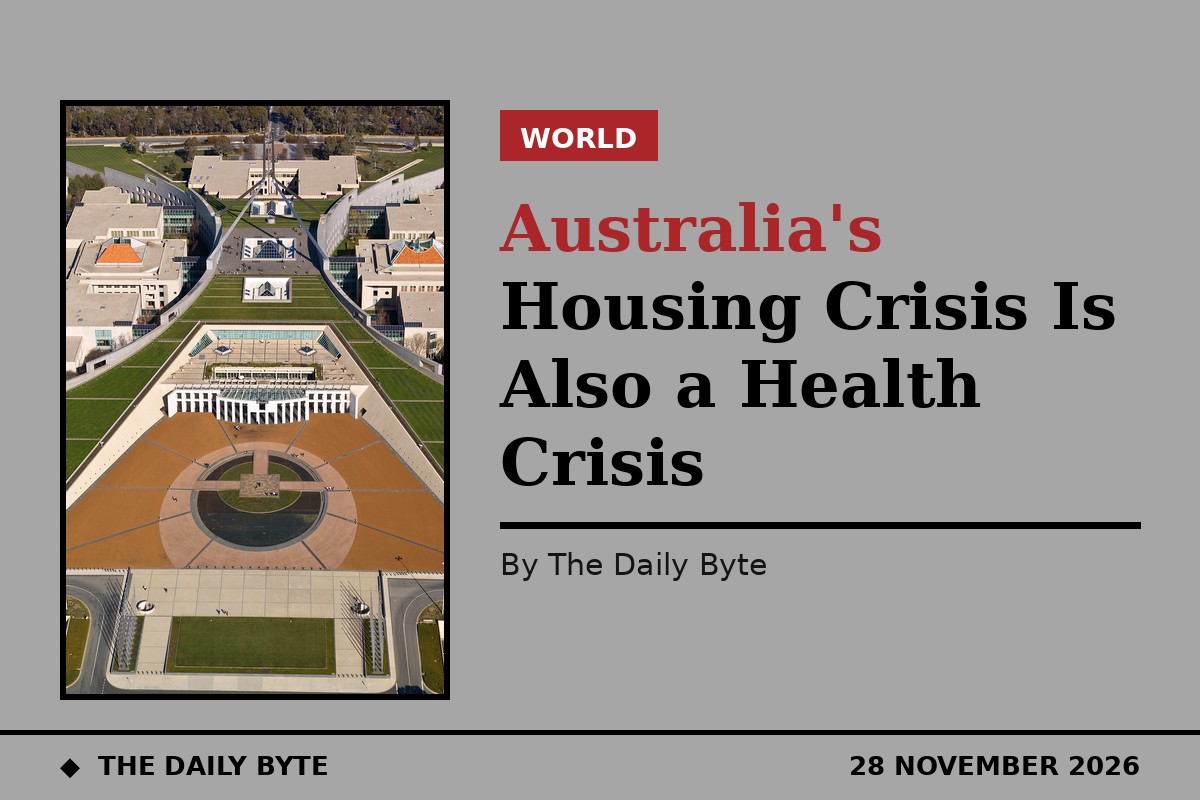
Australia's housing crisis is also a health crisis, researchers say, with an estimated 2.5 million Australian households living in homes that harm the health of the people inside them. University of Melbourne researchers launched The Australian Healthy Housing Handbook at Parliament House in Canberra on 26 November 2026, setting out clear guidelines to improve living standards.
The handbook draws on research led by the university's Healthy Housing Unit and identifies mould, poor ventilation, extreme temperatures and tenure insecurity as direct causes of respiratory disease, cardiovascular disease and poor mental health. It argues that housing should be treated as public health infrastructure, not only as a question of supply and affordability.
“Australian policy makers could no longer afford to treat housing and health as separate issues,” said Professor Rebecca Bentley, director of the Centre of Research Excellence in Healthy Housing, who was in Canberra for the launch.
The harm is not shared equally
The health effects of poor housing fall hardest on people who are already disadvantaged. “The health impacts of housing conditions are not evenly distributed – people on lower incomes, renters, Aboriginal and Torres Strait Islander peoples, older adults, people living with a disability, people living with chronic conditions and those exposed to climate hazards are often more likely to experience unhealthy housing and less able to address it,” Professor Bentley said.
The problems the handbook describes will be familiar to many households: mould and damp, homes that are too cold in winter and too hot in summer, stale air, unsafe conditions, power bills people cannot pay, and the ever-present threat of eviction. Researchers say these conditions affect people's lungs, hearts and mental health, children's development and how long people live.
The handbook sets out four priority areas: improving housing conditions for renters, tightening rent regulation and associated renter protections, strengthening construction regulations and codes to build healthy, sustainable homes, and improving the climate resilience of the housing stock and the housing system.
Mould alone costs billions
The researchers estimate that eliminating mould alone would cut health spending by an estimated $3.8 billion over the next 20 years and lift working-age incomes by $5.9 billion through higher productivity. Mould is more common in Australian rental homes than in owner-occupied homes, according to Professor Bentley.
“A home that is suitable, secure and affordable can prevent illness, support recovery, enable participation in work and education, and protect people from climate-related hazards. Conversely, unhealthy housing shifts avoidable costs onto households, health services, social services and the wider economy,” she said.
The handbook calls on governments to introduce national minimum rental standards, end no-grounds evictions, involve health departments in setting building codes, and include housing in climate emergency response strategies. “Australia can keep paying for unhealthy housing through hospitals, welfare systems and lost productivity and preventable suffering, or invest in homes that keep people healthy, safe and secure,” Professor Bentley said.


