Australia Launches Peptide Prescribing Inquiry
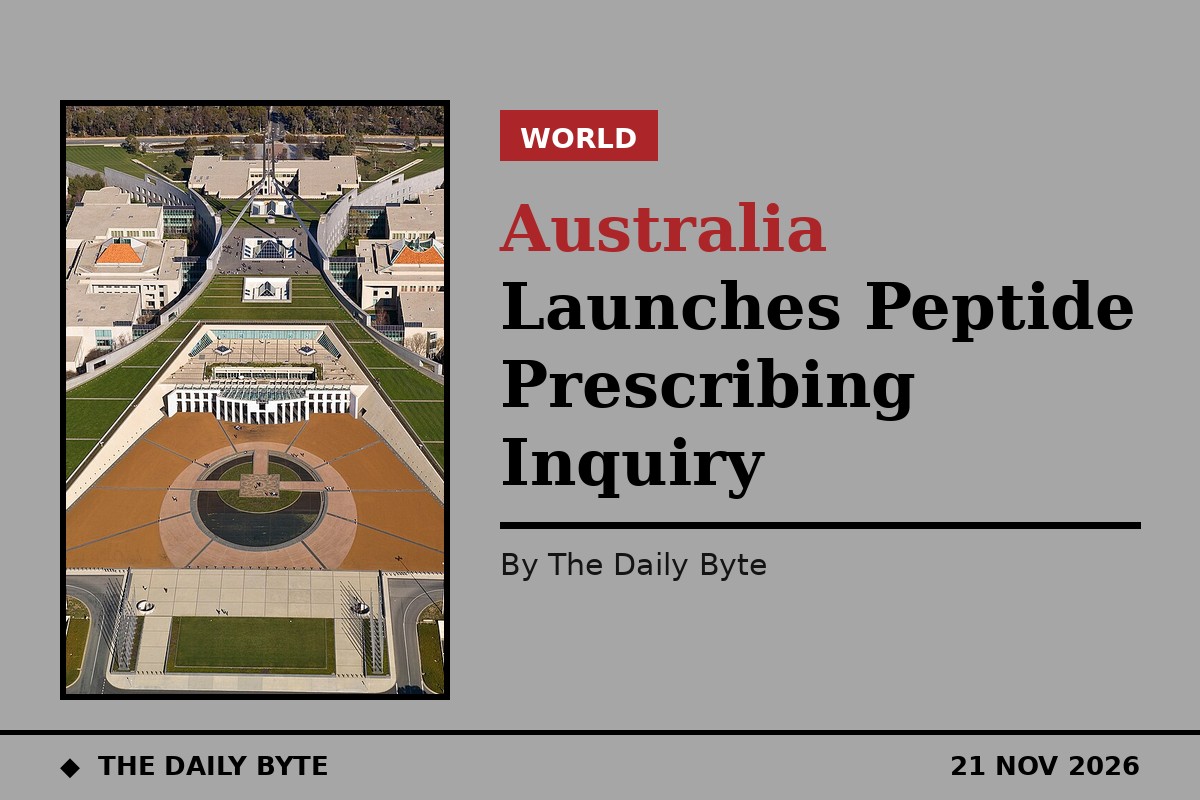
Australia's health minister has asked parliament to urgently investigate online peptide prescribing, after regulators reported a sharp rise in unapproved peptide products being sold through telehealth services and social media.
Health Minister Mark Butler wrote on Friday 20 November to Dr Mike Freelander, chair of the House of Representatives Standing Committee on Health, Aged Care and Disability, requesting an inquiry into the safety and quality of online peptide prescribing. The committee is expected to open public consultation hearings this month and deliver its final report by mid-2027.
Butler said he was extremely concerned about escalating reports from the Therapeutic Goods Administration, or TGA, of unapproved peptides being prescribed and delivered through telehealth and one-stop-shop style dispensaries. The TGA has reported a stark rise in the importation, compounding, supply and advertising of unapproved peptide drugs, driven largely by online prescribing services and social media promotion.
Peptides are marketed online as wonder drugs for weight loss, muscle growth and anti-ageing, often with promises of rapid and transformative results. Many of the products have not been approved by the TGA, and the regulator warns Australians against buying unapproved peptides online, particularly from overseas websites or social media, and advises people to speak to a health professional first.
What the inquiry will examine
The inquiry will examine how common online peptide prescribing has become, the benefits and risks of direct-to-consumer models of care, and the safety and quality of prescribing practices. It will also look at what drives consumer demand and at the responsibilities of digital platforms and social media in promoting the products.
One focus will be vertically integrated telehealth businesses that control several stages of a patient's treatment, from the online consultation to the dispensing of the medicine. The government is concerned that such businesses may not be able to give independent clinical advice while also profiting from the sale of treatments.
Sports Integrity Australia has also flagged peptides as an emerging risk for athletes, because of their easy availability online and their promotion on social media. Butler said he was particularly concerned about young men being influenced by what they see online and turning to unapproved products without understanding the risks.
The death that prompted the call
The inquiry follows a Victorian coroner's finding on 28 October that actor Richard Norton, 75, died of a cardiac arrest after injecting CJC-1295 and ipamorelin, two peptides that are not approved by the TGA. The peptides had been prescribed by a doctor and sourced from an interstate compounding pharmacy. The death is believed to be the first confirmed in Australia from unapproved peptide use.
The coroner, David Ryan, found that Norton's death was triggered by an injection in excess of the prescribed dose, and recommended that the TGA consider tougher restrictions on unapproved peptides. Victoria's chief health officer has also flagged 13 cases of anaphylaxis linked to unapproved peptide use since July 2025, at least one of them fatal.
Independent MP Dr Monique Ryan, who wrote to Butler in August asking him to refer telehealth and online prescribing to the health committee, said the system had a gap. The TGA regulates products and the medical regulator AHPRA regulates individual doctors, she said, but nobody regulates the business models driving the market. Butler previously banned the compounding of GLP-1 weight-loss drugs in 2024. The inquiry, he said, is about making sure Australians get proper medical advice, that prescribing is safe, and that online providers put patients ahead of profits.


