Azure API Flaw Exploited in Norway Energy Attacks
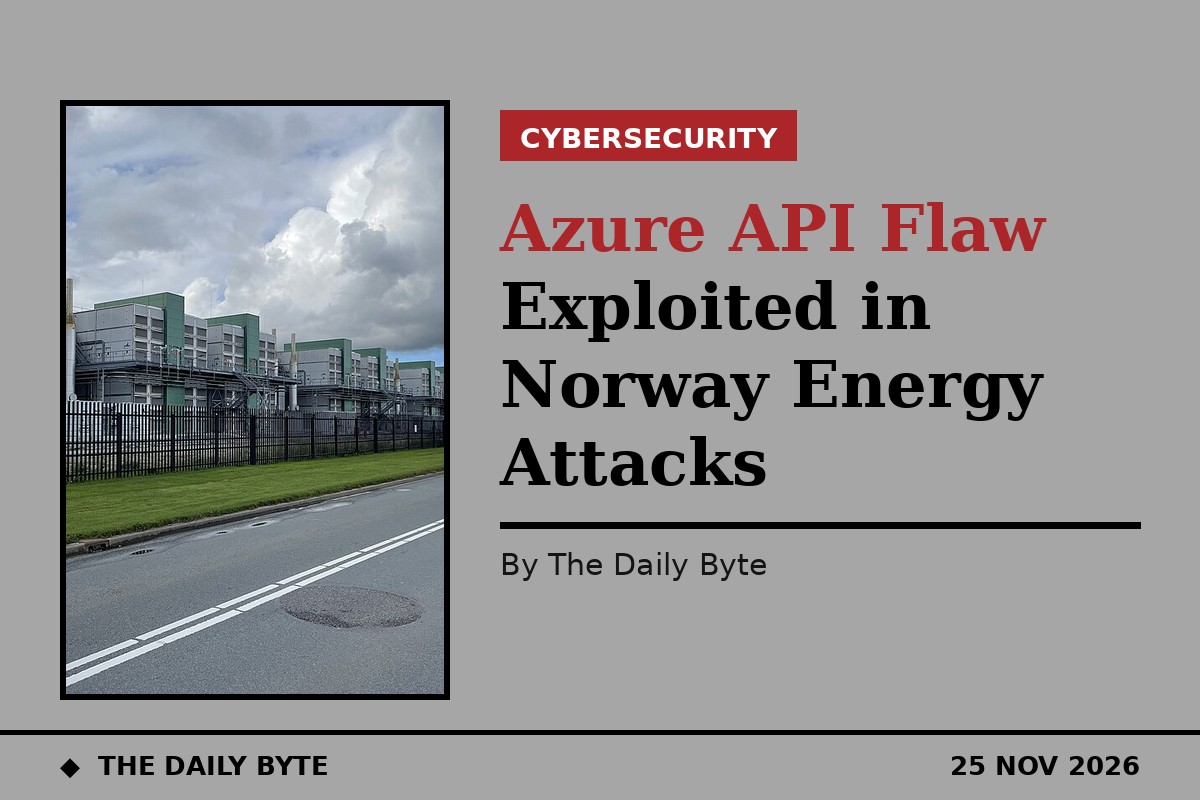
Attackers exploited a flaw in Microsoft Azure API Management to steal stored API credentials, with Norwegian authorities linking the flaw to cyberattacks against energy companies Equinor and Skagerak Energi. Microsoft found the problem on 18 November 2026 and closed the access path the next day, but warned that credentials already taken remain valid until customers change them.
Azure API Management is a cloud service for publishing, securing and managing the APIs connecting applications and data. Microsoft said the flaw affected the Developer, Basic, Standard and Premium tiers of the Classic version; the Consumption tier and all newer v2 tiers were not affected.
Microsoft said the flaw allowed unauthorised access to management functions on Classic instances not configured to its recommended security guidance. That access could have exposed secrets stored in named values, client secrets for identity providers, subscription keys, and tokens used to call the service's direct management API. Those credentials could then open the way into other applications and backend systems.
Norway links the flaw to energy attacks
Norway's National Security Authority said an unknown attacker targeted access tokens, secrets and named values in the service, and credited the Norwegian energy sector with finding the problem early. Equinor disclosed an ongoing cyberattack on 17 November, a day before Microsoft says it identified the flaw. The company later said it had stopped the attack, with production normal and no sign data was stolen or altered. Skagerak Energi also reported an attempted attack, with no impact on operations and no evidence information was compromised.
The Norwegian authority said several organisations across several sectors were affected. It urged every user to assume its secrets had been exposed, rotate all tokens and secrets, and check its runtime version against the published patch thresholds. No CVE number has been published for the flaw.