Belize Launches First Caribbean Rights Body
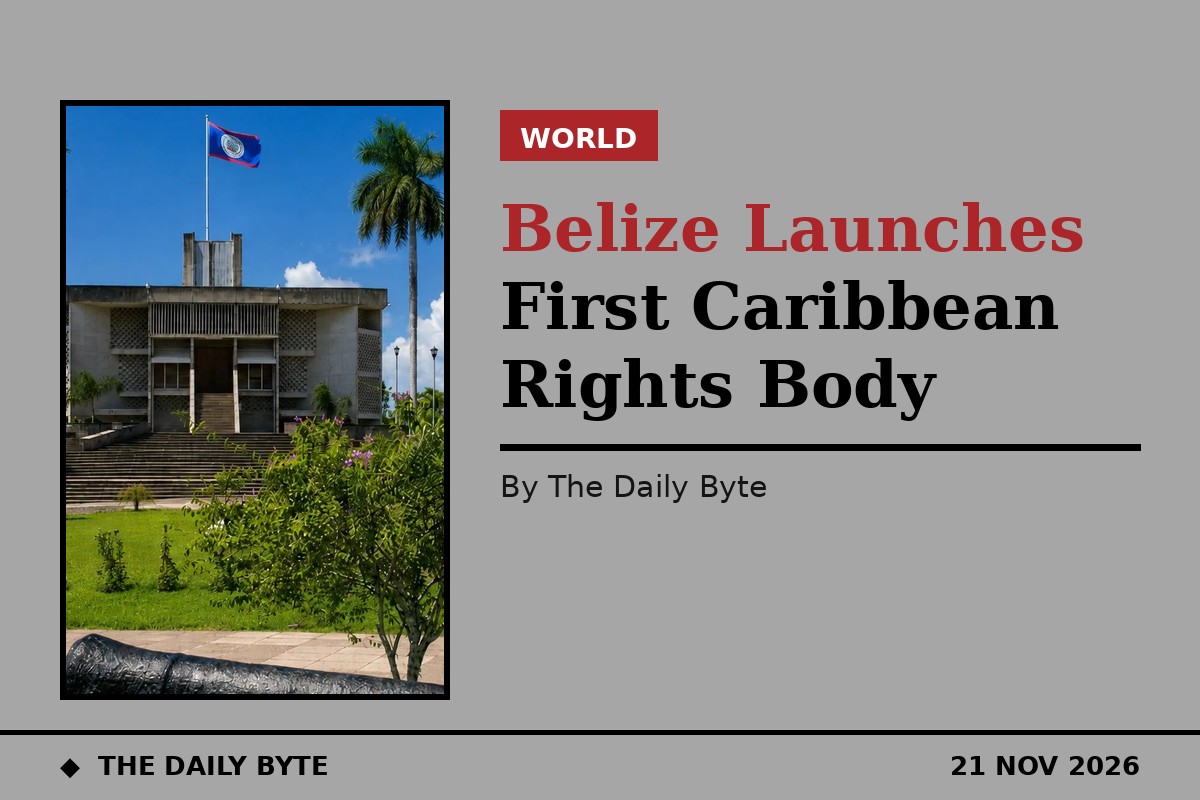
Belize has launched a project to create the Caribbean's first National Human Rights Institution, a new independent watchdog that will give Belizeans somewhere to turn when they believe their rights have been violated. The project was officially launched at the Ministry of Foreign Affairs in Belmopan on 9 November, and national consultations on how the institution should work are due to run from 24 to 26 November.
The European Union is providing 400,000 euros, about BZ$882,640, and the United Nations Development Programme is implementing the three-year project with the UN human rights office and the Network of National Human Rights Institutions of the Americas. Foreign Minister Francis Fonseca signed the project document with the UNDP's deputy resident representative, formally starting work that Belize first promised in its 2018 United Nations human rights review and repeated in 2024.
The new body will be built by expanding the Office of the Ombudsman, which has investigated complaints about public authorities since 1999 but whose mandate, independence and resources fall short of the international standard known as the Paris Principles. Cabinet has approved turning the ombudsman's office into a Paris Principles-compliant institution by amending the Ombudsman Act, with legislation to follow the consultations.
What the Paris Principles require
Under the Paris Principles, a national human rights institution must be independent of government, properly funded and able to investigate complaints without interference, even though it is funded by the state. The UNDP's deputy resident representative told the launch that the project would set up the legal framework, the organisational structure and trained staff, and the means for people to reach the institution with complaints. "It will be independent; it will be funded by the government, but it will operate independently," he said.
Mr Fonseca described the launch as "a simple commitment that every Belizean who believes their rights have not been respected will have somewhere to turn." Valerio Diaz Martin, the EU's head of partnerships in Belize, said the project "lays the groundwork for a watchdog for human rights in both urban and rural areas". Dr Elma Kay, chairwoman of the Belize Network of NGOs, said civil society would press to make sure the body is independent and able to serve all Belizeans, and would follow the revision of the Ombudsman Act and the constitutional reform process.
What happens next
The project will pay for legal reviews, policy and procedure development, better case management and community outreach, with the aim of making help easier to reach, particularly for vulnerable people. The sensitisation sessions from 24 to 26 November will bring together the government, the National Assembly, civil society, academics, the private sector and young people before legislative drafting begins, with wider national consultations planned for December to February.
The launch comes as Belize faces scrutiny of its own record: its delegation is due before the UN Committee against Torture in Geneva on the same days as the consultations, to answer questions about the treatment of people in custody. Supporters say an institution that meets the Paris Principles would give those complaints a domestic route for the first time, rather than leaving them to international bodies. The project is due to run until 2028.
Sources: Amandala | Caribbean Media Corporation


