Burkina Faso targets Damiba, Makosso in terror cases
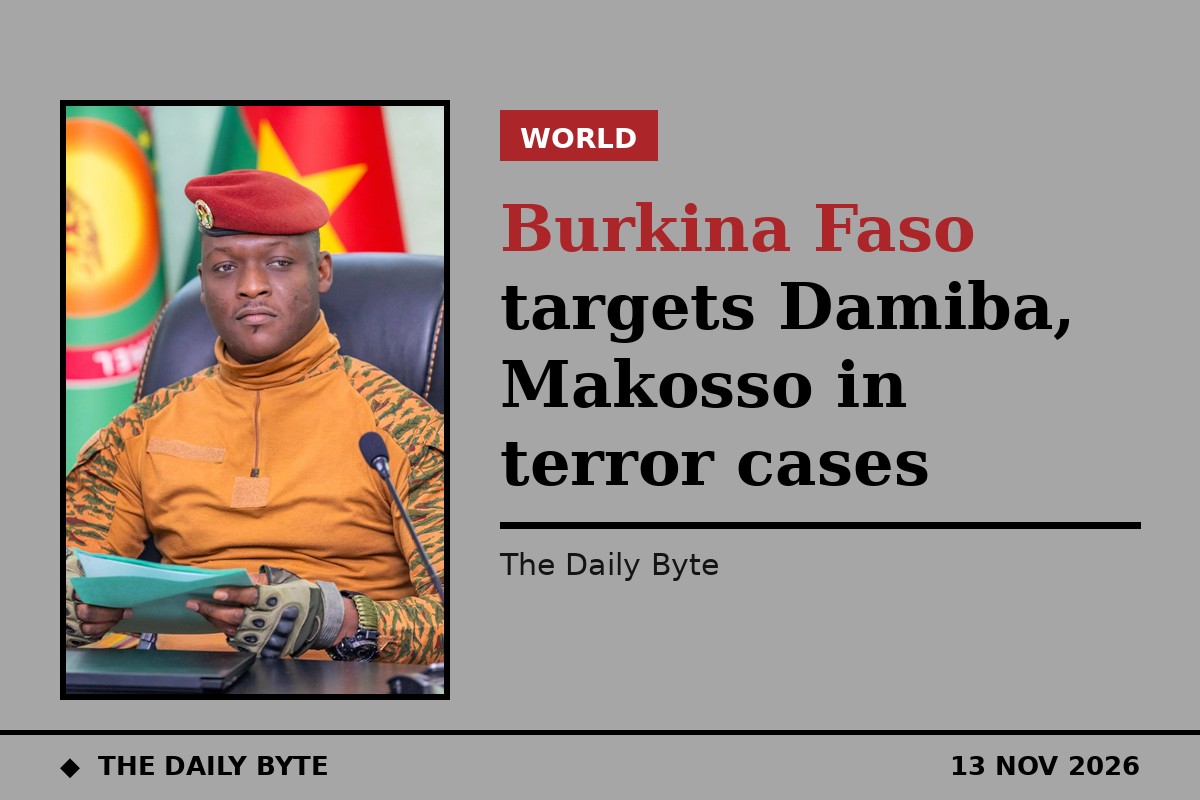
Burkina Faso has opened six legal proceedings against 45 people and organisations over alleged terrorism and public order offences, in a move that names a former president, a well-known Ivorian pastor and the French broadcaster France 24.
The announcement was made in Ouagadougou on Friday, 13 November 2026, by Pingdwendé Désiré Sawadogo, the prosecutor general at the Court of Appeal, during a briefing on the country's counter-terrorism cases. The proceedings cover 45 individuals and legal entities, according to reports of the briefing.
Damiba, Makosso and France 24 named
Among those named are Paul-Henri Sandaogo Damiba, the former transitional president who led Burkina Faso from January to September 2022 before being ousted by Captain Ibrahim Traoré. Damiba, who was extradited from Togo in January 2026, now faces terrorism-related charges, Sahel Express reported.
Also named is Camille Makosso, an Ivorian pastor and social media figure. Prosecutors have begun proceedings to secure an international arrest warrant against him over what were described as presumed acts of terrorism, although the specific allegations, timelines and evidence have not been made public.
France 24, the French international news channel, was also listed among the entities facing proceedings. Reports of the briefing said international arrest warrants had been issued for 14 prominent figures as part of the wider action, OuagaInfo reported.
Details still unclear
Prosecutors have not said whether Makosso has been formally notified, whether he is in custody, or what evidence has been gathered. No court has yet ruled on the merits of any of the cases, and those named remain entitled to the presumption of innocence.
The cases come against a backdrop of worsening insecurity in Burkina Faso, where armed groups linked to al-Qaeda and Islamic State affiliates have carried out attacks since 2015. The authorities have intensified military, judicial and intelligence responses as the insurgency has spread across the Sahel.
The announcement also raises questions about cross-border judicial cooperation. Any international warrant would depend on foreign authorities recognising the request, and on extradition procedures in the countries where those named are located. Burkina Faso has been in talks with several countries, including Côte d'Ivoire, France and the United States, on judicial cooperation.
Damiba's case carries added significance because Burkina Faso changed its Penal Code in October 2026 to bring back the death penalty for terrorism-related offences, even though Togo extradited him on assurances that included protection from capital punishment. How those guarantees interact with the new law has not yet been tested in court.


