Canada makes rural immigration programme permanent
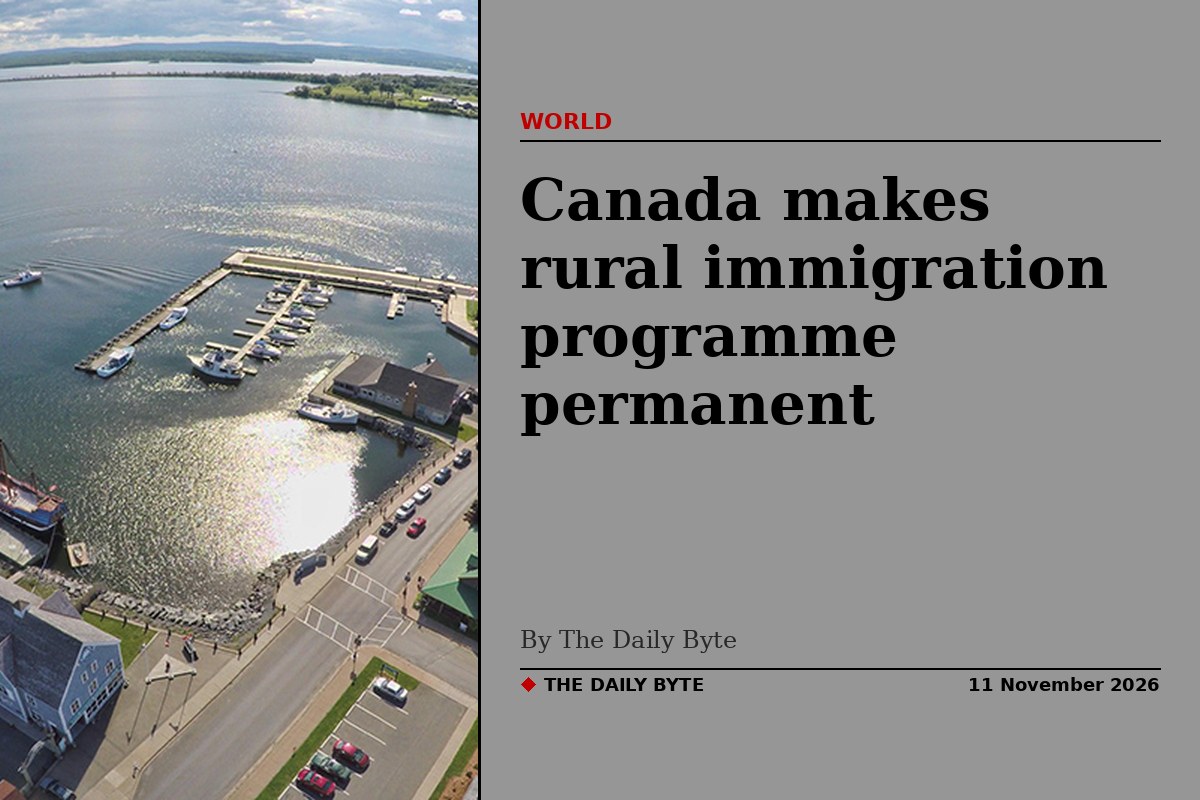
Canada has made its Rural Community Immigration Pilot a permanent programme, giving skilled workers in smaller communities a lasting route to permanent residence. Immigration Minister Lena Metlege Diab announced the change on 9 November 2026 in Pictou County, Nova Scotia, and the new Rural Community Immigration Program will open on 1 January 2027, the day the pilot closes.
The decision turns a trial launched in January 2025 into a standing part of Canada's immigration system. It is aimed at rural and remote communities that struggle to fill jobs locally, and it keeps the community-led model that has run since the pilot began.
What changes on 1 January 2027
From 1 January 2027, the pilot closes and the permanent programme opens in its place. The Government of Canada says the programme will continue the pilot's model, giving skilled workers and international graduates in priority sectors a pathway to permanent residence. Applications already received under the pilot will continue to be processed.
Anyone holding a community recommendation dated 31 December 2026 or earlier must apply for permanent residence before that recommendation expires, according to Immigration, Refugees and Citizenship Canada (IRCC). People without a pilot recommendation are directed to the new permanent programme instead.
The programme does not operate through the Express Entry points system. Instead, selection runs through the participating community and a designated employer, with IRCC making the final permanent residence decision.
Which communities are included
The same 14 communities that took part in the pilot are expected to take part in the permanent programme, with expansion to more communities planned in future. They are Pictou County in Nova Scotia; North Bay, Sudbury, Timmins, Sault Ste. Marie and Thunder Bay in Ontario; Steinbach, Altona/Rhineland and Brandon in Manitoba; Moose Jaw in Saskatchewan; Claresholm in Alberta; and West Kootenay, North Okanagan Shuswap and Peace Liard in British Columbia.
Communities can apply to join during an expression of interest process if they have a population under 200,000 and score 0.20 or higher on Statistics Canada's Index of Remoteness, IRCC says.
How the programme works
The route is built around three elements: communities set local priorities, employers are designated by the community, and IRCC applies strengthened integrity and monitoring measures. Only designated employers in priority sectors can access the programme, and they must show a genuine labour need, good standing and the ability to support newcomer employees. Mandatory employer training is part of the new arrangements.
Applicants need a job offer from a designated employer and a recommendation certificate from the participating community. IRCC guidance states that applicants need at least one year of related paid work experience, equal to 1,560 hours, within the last three years before applying for permanent residence.
How many places are planned
Canada's 2027-2029 Immigration Levels Plan sets aside 5,500 admission spaces for the permanent Rural Community Immigration Program in 2027. The announcement was made as part of a wider refocus set out in Budget 2026, directing immigration towards smaller, rural and remote communities facing persistent labour shortages.
IRCC points to population decline and an ageing workforce as the pressures behind the move. The department ran the Rural and Northern Immigration Pilot from 2019 to 2024 before launching the rural community pilot in January 2025, and says the permanent programme builds on the employer-community partnership developed through those pilots.
Full programme instructions and eligibility details are published on the IRCC website, which applicants should check for the latest official guidance before applying.


