Watchdog demands shake-up of private dentistry
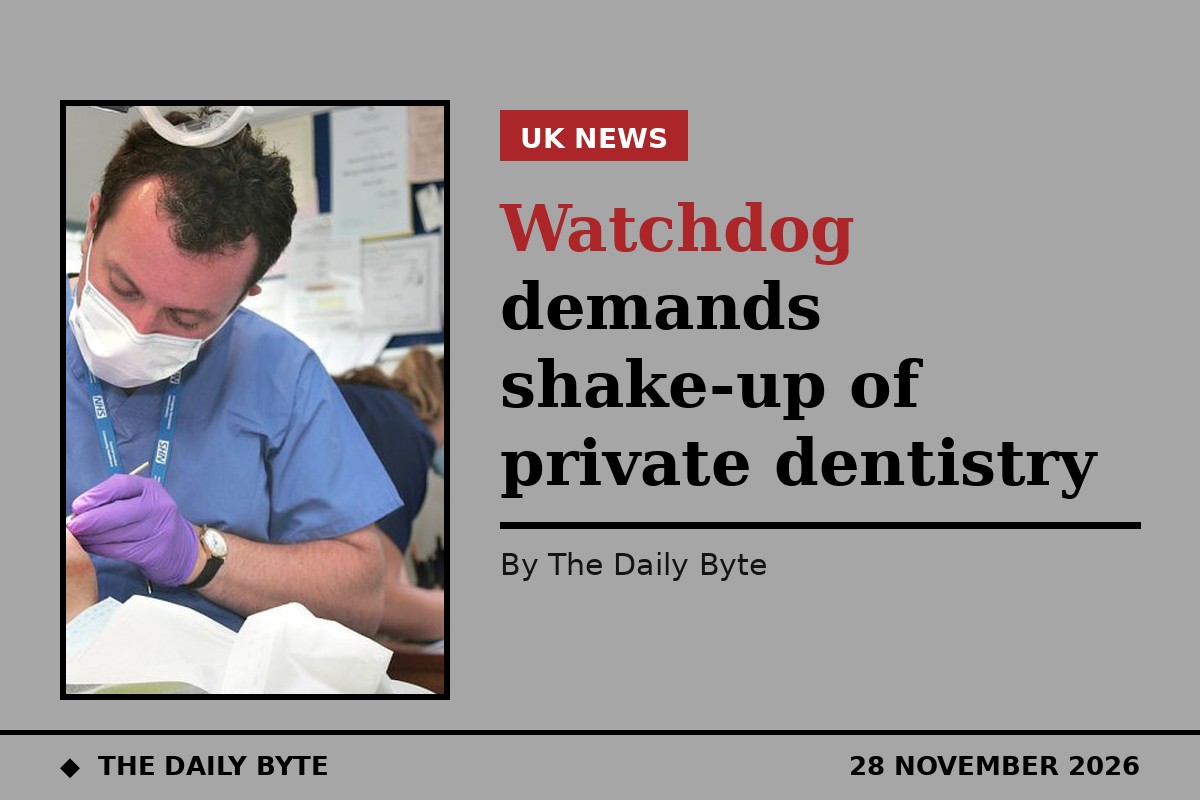
The competition watchdog has called for a major shake-up of Britain's private dentistry market, warning that it is not consistently working well for patients. The Competition and Markets Authority (CMA) published interim findings from its market study into the sector, which is worth about £8 billion a year, and described a catalogue of concerns ranging from fast-rising prices to sales targets that may not serve patients' interests. The British Dental Association (BDA), which represents dentists, said it agreed with the findings and urged ministers to use the moment to keep their promise to fix and fund NHS dentistry.
At the heart of the CMA's findings is the cost of going private. The watchdog estimated that prices at large dental groups rose by about 7 per cent a year on average between 2023 and 2025, outpacing both inflation and wage growth over the same period. Prices also varied substantially between different parts of the country. The CMA gave the example of a composite white filling, which it said cost about 36 per cent of mean weekly disposable income in the north-east of England and about 35 per cent in Wales. For many households, in other words, even routine private treatment now absorbs a large share of a week's disposable income.
The CMA also raised concerns about the commercial pressures inside practices. It said dentists typically had a financial stake in treatment revenues, either as practice owners or through revenue-sharing arrangements, and that it had seen evidence of targets to convert NHS patients to private care, to sell more expensive treatments and to increase sales of dental payment plans. The watchdog said commercial practices, targets and incentives may not operate in patients' best interests. Its chief executive, Sarah Cardell, said many people were struggling with affordability, adding that those on lower incomes and in some parts of the country were hardest hit.
Most patients now pay for some private care
The findings land at a time when private dentistry has become the norm rather than the exception for many people. The CMA said about 60 per cent of patients across the UK now paid for at least some private dental care, including many on low incomes, but that it was difficult for them to confidently shop around and get a good deal. Patchy price transparency was among the concerns listed in the interim findings. The watchdog also pointed to a shortage of dentists, estimating the job vacancy rate in England at about 8 per cent, far above the rate of about 2 per cent across the UK economy as a whole.
New polling published alongside the debate underlines how far the cost of dental care now reaches. A YouGov survey of 1,918 adults in England, carried out for the BDA on 15 and 16 November, found that 39 per cent had found it hard to pay for dental care in the past two years. Among those who had struggled, 43 per cent delayed treatment, 32 per cent went without care altogether, 15 per cent took on debt and 13 per cent cut spending on essentials such as food, accommodation or heating. Some of those surveyed said they had tried to treat themselves. Two thirds of all adults surveyed, 67 per cent, said NHS dentistry received too little funding, and 68 per cent said a plan to improve access to NHS dental care should be the priority.
BDA chair Eddie Crouch said it was essential to have a thriving private dental market, but added: “When it comes to giving patients access to affordable care, ministers hold almost all the cards.” He urged the government to keep its election promise and fix and fund NHS dentistry, accusing ministers of using the CMA study as cover for not yet committing new investment to rebuild the service. The BDA said promised fundamental reform of NHS dentistry had stalled, leaving patients exposed to further financial pressure, and that it would work with the watchdog on practical, proportionate measures to improve transparency.
What happens next
The CMA stressed that its findings are interim and may change. It is working with governments across the UK on a wide-ranging package of measures, and its consultation on the emerging findings closes on 17 December 2026. A final report is due by March 2027. For patients, the immediate picture is unchanged: about 40 per cent of adults in England saw an NHS dentist in the last two years, according to the latest data, leaving millions either paying privately, delaying care or going without. Whether the watchdog's intervention finally breaks that pattern will depend on what ministers do with its final recommendations.


