Colombia Court Sentences Five Over False Positives Killings
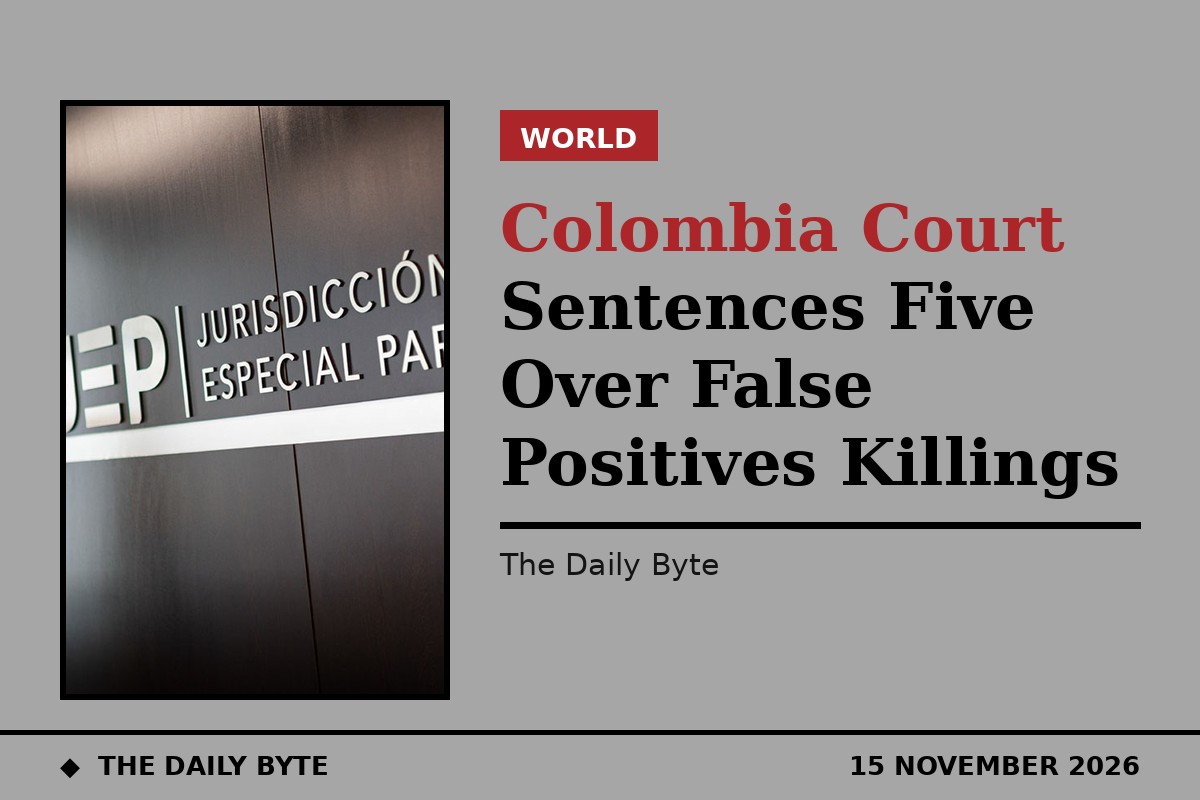
Colombia's peace tribunal has sentenced five retired army members to up to six and a half years of reparations work for their role in the killing and disappearance of 35 civilians in the country's notorious "false positives" scandal.
The Special Jurisdiction for Peace, known by its Spanish initials JEP, handed down the sentences on Friday after the former soldiers admitted responsibility for the crimes and gave investigators information that helped locate victims' remains.
The crimes took place between 2002 and 2006 in the rural area of Dabeiba, in the north-western department of Antioquia. The court examined 18 separate incidents in which civilians were killed and their bodies hidden, then falsely reported as guerrilla fighters killed in combat.
The "false positives" scandal
The "false positives" cases are among the darkest episodes of Colombia's decades-long internal armed conflict, which killed more than 450,000 people and displaced millions. Soldiers killed civilians and presented them as combatants in order to inflate reports of battlefield success, sometimes in pursuit of rewards or promotion.
Colombia's Truth Commission has estimated that 8,208 people were victims of extrajudicial executions by the military between 1978 and 2016. The Dabeiba cases form part of that wider pattern.
The five men sentenced were two majors, a captain, a sergeant and a corporal. Following information they provided to investigators, the authorities recovered 77 bodies, according to reporting of the ruling.
Reparative sentences, not prison
Rather than prison terms, the JEP imposed restorative sentences of between about five and a half and six and a half years. Under Colombia's transitional justice system, those who admit responsibility and help establish the truth can receive sentences of reparative work instead of jail.
The court ordered the former soldiers to take part in restorative projects benefiting the communities affected by the violence in Dabeiba and the surrounding area.
The JEP was created under Colombia's 2016 peace agreement to investigate serious crimes committed during the armed conflict. It is investigating more than 250,000 crimes, and its rulings are intended to deliver accountability and reparations to victims and their families while establishing a public record of what happened.
The Dabeiba ruling is one of the most significant sentences the court has issued in a "false positives" case. For the families of the 35 victims, it brings a measure of judicial recognition more than two decades after the killings, and a formal acknowledgement from the men responsible that the dead were civilians, not combatants.


