Costa Rica journalist Camilo Rodríguez shot dead
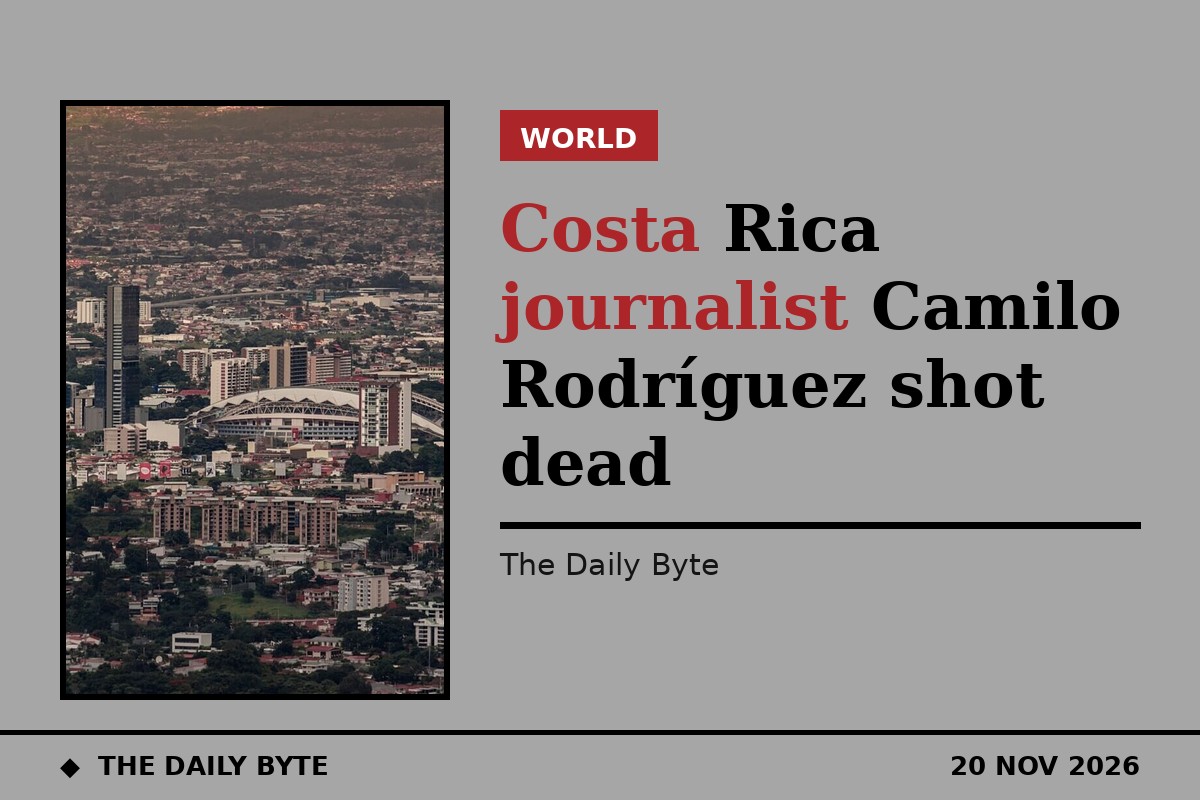
A Costa Rican journalist who accused politicians and judges of drug-trafficking links has been shot dead, in the first killing of a journalist in the country in more than two decades.
Camilo Rodríguez, 50, was driving his pickup truck near Santo Domingo de Heredia, north of San José, on Monday afternoon when two gunmen on a motorcycle opened fire. Police said the attackers fired multiple times and fled towards San José; investigators found 10 bullet casings, and no suspects have been identified.
First journalist killing since 2001
Rodríguez is the first journalist killed in Costa Rica since Parmenio Medina was shot dead in July 2001, according to the Committee to Protect Journalists (CPJ). The attack took place 300 metres from where Medina was killed. Rodríguez had worked for decades in radio and print before turning to social media videos naming figures he alleged had drug-trafficking ties.
In one video, he alleged that the home of President Laura Fernández had been built by a company he said had links to a criminal gang. Ms Fernández denied any wrongdoing and sued him for defamation. She condemned the attack as 'a stain on freedom of expression' and said she had told police to do their utmost to 'punish Camilo's murderers'.
Threats and a declined protection offer
Rodríguez had reported death threats from drug gangs and had often worn a bulletproof vest in public before his death. Attorney General Carlo Díaz said Rodríguez had been in a victim and witness assistance programme but had declined protection his office recommended. Mr Díaz said silencing a reporter of drug trafficking and corruption was 'a signal we cannot tolerate in a democratic society'. Yanancy Noguera, head of the Costa Rican Journalists' Association, called it the silencing of a dissenting voice.
Sources: Committee to Protect Journalists; BBC News.


