Dexcom breach notices list SSN and health data
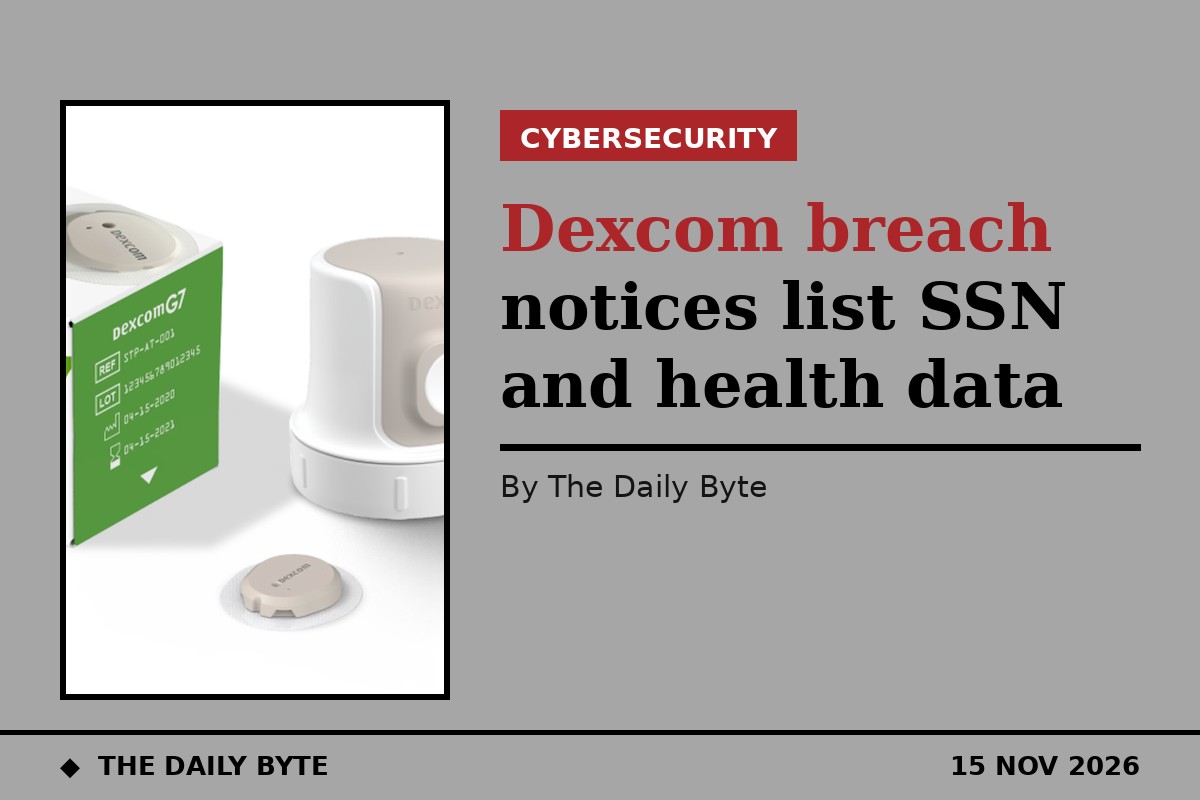
Dexcom, the maker of continuous glucose monitors, has begun mailing data breach notices to affected users after a social engineering attack on its staff exposed personal and health information. A filing with the California Attorney General, posted on 13 November 2026, includes two different sample letters describing what was taken.
How the breach happened
Dexcom first acknowledged a problem on 10 October, saying it had found unauthorised access to limited information in certain internal documents following targeted vishing attacks on its staff. On 12 November the company said the attacks led to unauthorised access to internal documents that were later published on an illicit website. According to the notice letters, Dexcom determined on 2 November that some people's information may have been involved. An unauthorised third party gained access to certain employee accounts through social engineering and downloaded files. Dexcom says it revoked the accounts' access, found no ongoing evidence of unauthorised activity, and that its products remain secure.
What was exposed
Dexcom sent two different letters. One says the information involved may include a person's name, Social Security number, date of birth and government identification details, and offers a free two-year identity monitoring membership through Kroll. The other lists name, address and health information, including preferred pharmacy, healthcare provider, prescription number and certain diagnoses. That version states it did not involve Social Security or card numbers. Dexcom has not said how many people are affected or who was behind the attack.
What users should do
Anyone who receives a letter should read it carefully, use only the contact details printed on it, and consider a credit freeze if their Social Security number was exposed. Dexcom's notices list a call centre at (844) 971-8641. Users should also watch for phishing calls about sensor shipments and check insurer and pharmacy statements for anything they do not recognise.
Sources: MyPrivacy.Blog | Dapeer Law


