Fighting Traps Ebola Responders in Congo Hospital
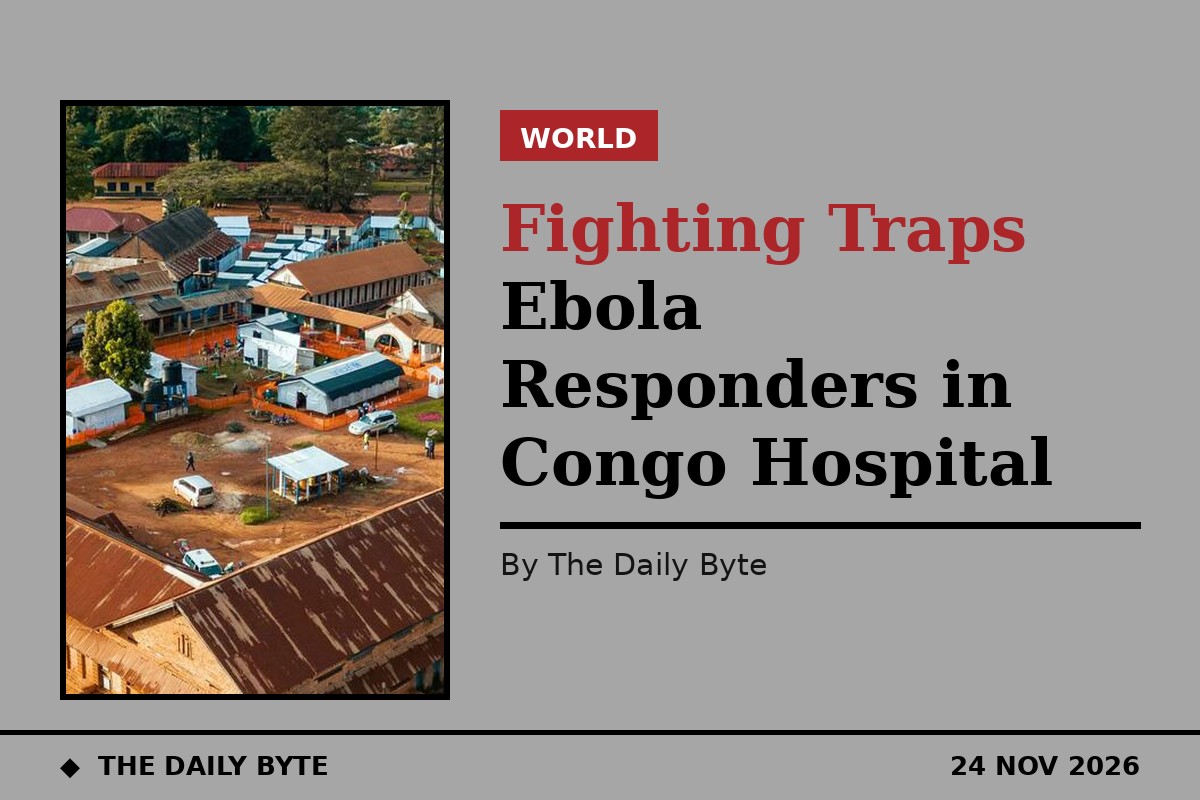
Heavy fighting near a hospital in Ituri province in the Democratic Republic of the Congo has forced Ebola responders to shelter for their lives, disrupting the response to an outbreak that has now killed more than 5,700 people. The World Health Organization said its staff and partners had been trapped inside the hospital for more than a day as clashes continued around the facility.
WHO Director-General Tedros Adhanom Ghebreyesus said in a post on X on Sunday that fighting had been going on since the previous day near the hospital, in an area close to where the current Ebola outbreak first emerged. He said colleagues and response partners had been sheltering for their lives in a maternity ward of the facility for over 24 hours.
The WHO chief said the agency was working with partners to evacuate the trapped staff safely. He called for their immediate safe passage and for hospital facilities, staff and patients to be protected. The fighting disrupted the work of the hospital and the wider Ebola response, putting patients, families and health workers at grave risk, he said.
The scale of the outbreak
Figures released on 20 November put the outbreak at 11,762 confirmed cases, including 5,775 deaths, across 68 health zones in eight provinces. Ituri remains the epicentre. The province has recorded more than 8,000 confirmed cases and 3,791 deaths, a case fatality rate of 47 per cent, and accounts for more than two-thirds of all confirmed cases. Of the 39 new confirmed cases reported in the latest epidemiological update, 23 were recorded in Ituri.
More than six months after it was first declared, the outbreak continues to spread. A high proportion of deaths continue to occur in communities and outside dedicated treatment centres, especially among young children, highlighting the difficulty of detecting cases early and getting patients into care. The outbreak is caused by Bundibugyo virus, a species of Ebola virus.
Violence is hampering the response
The WHO has warned repeatedly that rising insecurity in eastern Congo is one of the main obstacles to containing the virus. Since 1 January, the agency has verified more than 87 attacks on healthcare in the country. Tedros said the frequency of attacks across the east had increased since the end of October, seriously affecting the Ebola response.
The UN's Senior Ebola Response Coordinator, Julien Harneis, warned earlier this month that more people had been killed by Allied Democratic Forces fighters than by Ebola in recent days. He said violence in dozens of villages across the south of Ituri and North Kivu went largely unnoticed, and that following up contact tracing in areas where the ADF is operating is a very hazardous idea. Repeated ADF attacks on civilians have been happening in eastern Congo for more than two decades.
On 18 November, Tedros confirmed that the outbreak would remain a public health emergency of international concern, the WHO's highest level of alert. In his post on Sunday, he ended with a simple plea: "The best medicine is peace." For the responders sheltering in the maternity ward in Ituri, and for the patients they were treating, that peace has not yet arrived.


