Edinburgh Councillors Censure 'Affront to Democracy'
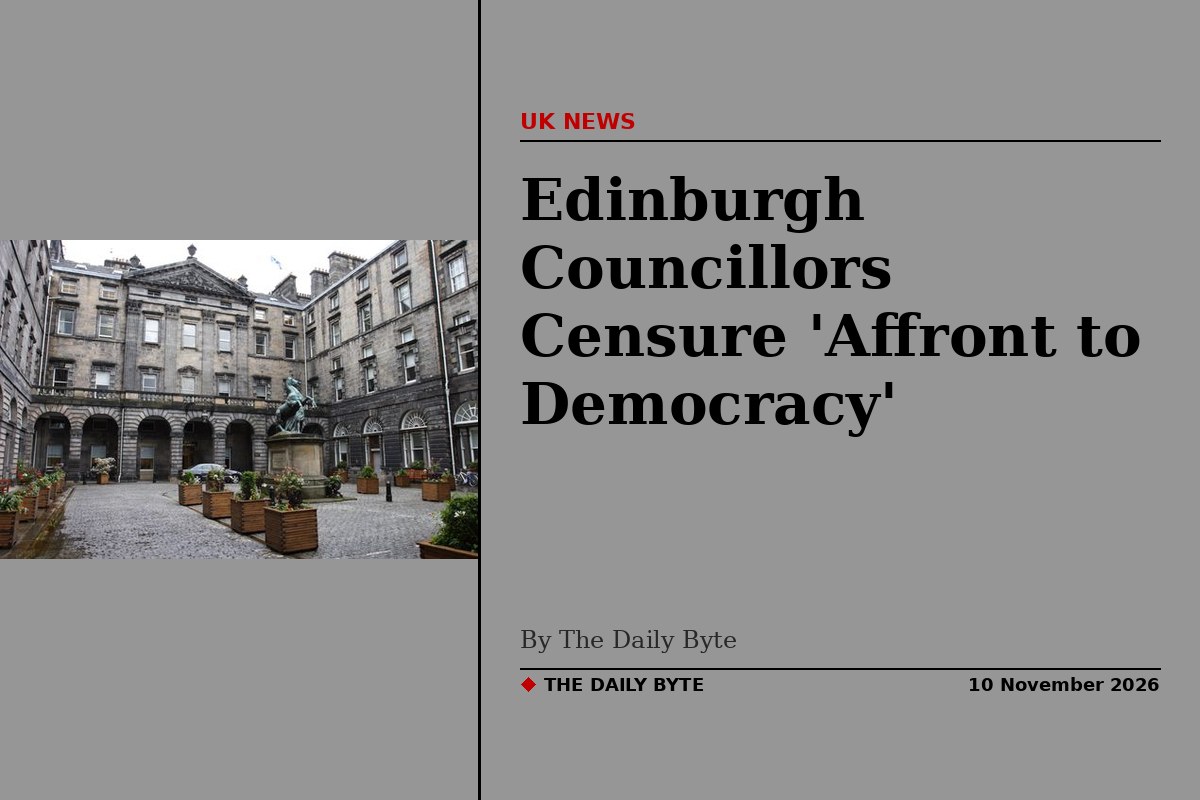
East Lothian Council leader Norman Hampshire has described the censure of two Edinburgh councillors as an affront to democracy, during a cabinet meeting on Tuesday at which two colleagues had to leave the room over traffic plans near their homes.
The censure at the centre of the row
City of Edinburgh councillors Neil Ross, a Liberal Democrat, and Marie-Clair Munro, a Conservative, were censured by the Standards Commission for Scotland earlier this year after they failed to declare an interest and took part in discussions about traffic plans affecting where they live. The plans concerned removing a Quiet Route through the Braid estate; one councillor lived on the route, the other nearby. A censure is the lowest sanction the commission can impose.
At Tuesday's East Lothian cabinet meeting, Provost John McMillan and deputy provost Andrew Forrest both declared an interest and left the chamber before traffic orders near their homes were discussed. Mr Hampshire said councillors had been put in an impossible position, and that several councils and COSLA had written to the Standards Commission seeking clarity.
The Standards Commission's response
The Standards Commission says declaring certain interests is fundamental to public confidence in decisions. Councillors must apply an objective test: would a member of the public reasonably regard the connection as likely to influence the decision? In the Edinburgh case, the panel found the properties were sufficiently close to the Quiet Route for traffic changes to affect where they lived. The cabinet went on to approve the traffic orders, including lower speed limits in Kingston and Spott, new cycleways in Musselburgh and double yellow lines in Haddington. The background is set out in the earlier report, and the latest comments in the report of today's meeting.