50,000 Ethiopians flee into Kenya amid Moyale clashes
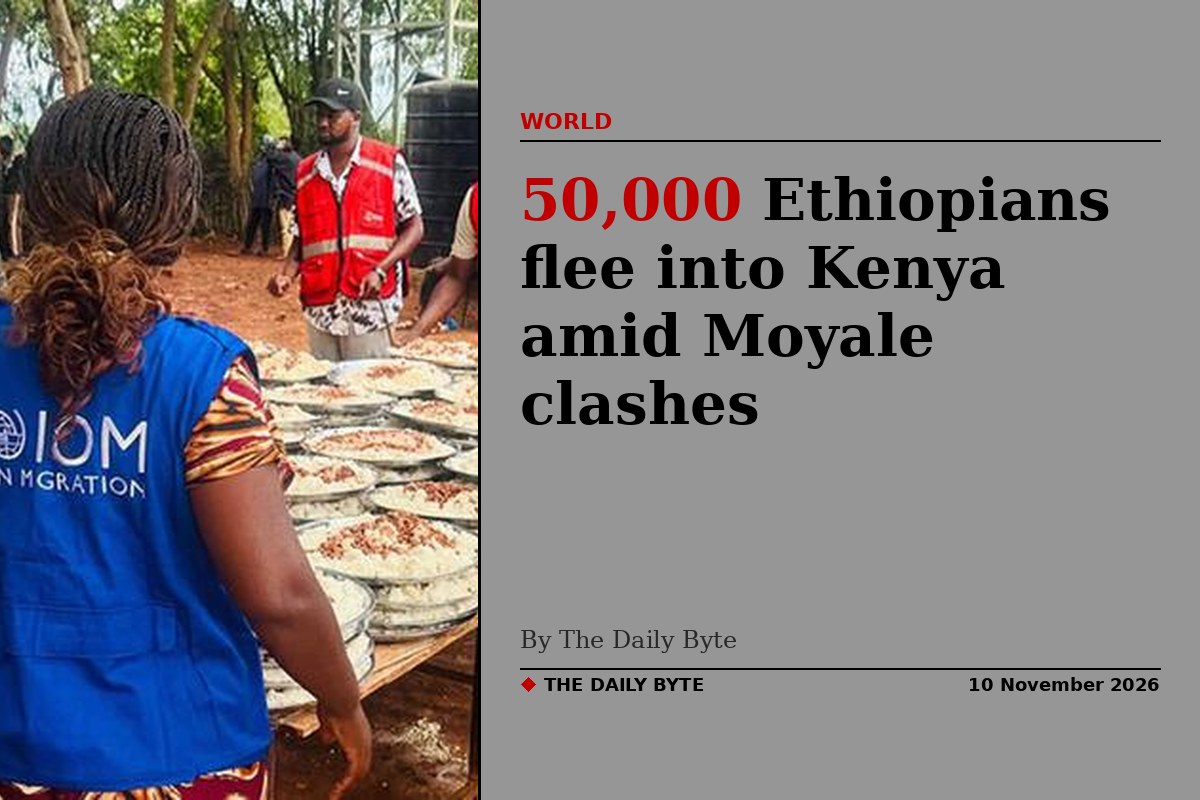
About 50,000 people have crossed from Ethiopia into northern Kenya after weeks of fighting around the border town of Moyale, according to a new humanitarian assessment, which found that most displaced families do not have enough to eat.
The rapid assessment, carried out by the Kenyan government and the Marsabit County administration with support from the International Organization for Migration (IOM), United Nations agencies and humanitarian organisations, surveyed 758 households across temporary displacement sites and host communities in Moyale on 29 and 30 October.
Food is the most urgent need
The assessment found that 71 per cent of surveyed households did not have enough food, while 80 per cent named food as their most urgent need. Shortages of drinking water, sanitation and healthcare were also reported.
"Families who fled are facing serious shortages of food, water and adequate shelter, while communities hosting them are already facing limited resources," said Nomagugu Ncube, IOM Kenya Chief of Mission.
The assessment estimated that about 50,000 people had arrived in Kenya's Moyale area by 29 October. An earlier government-led assessment had put the figure at 35,950 as of 24 October, and the Kenya Red Cross later said the number had risen above 50,000 as more families arrived.
Ninety-six per cent of the households surveyed had fled Ethiopia, mainly from the Oromia and Somali regions. Nine in 10 people surveyed said their entire village had fled.
How the fighting began
The conflict erupted in Ethiopia's Moyale town on 18 October following a dispute over the opening of a Somali Regional State administration office and the raising of its flag, in territory also claimed by Oromia. Fighting intensified on 22 October and spread across seven districts, with particularly intense clashes reported around the Dawa River basin.
Moyale is a town divided by the Kenya-Ethiopia border, and the fighting has spilled across it. Kenyan media have reported that at least three Kenyans have been killed and about 20 injured by stray fire linked to the fighting. Kenya's Inspector General of Police, Douglas Kanja, announced on 5 November that additional officers had been deployed to Moyale amid the security concerns.
Britain updated its travel advice for Kenya on 6 November, advising against all but essential travel to Moyale and within five kilometres of the town.
Funding appeal for displaced families
United Nations agencies have appealed for $8.9 million to support up to 50,000 people over three months, with contingency planning for up to 80,000 arrivals. The UN's emergency relief chief, Tom Fletcher, announced on 6 November that $3 million had been allocated from the UN Central Emergency Response Fund for food, water, shelter and healthcare.
The Ethiopian Red Cross Society said it had provided emergency shelter and household items worth about 30 million Ethiopian birr, around $183,000, to 1,000 households displaced from Moyale town and surrounding areas.
Humanitarian agencies say the total number of people displaced has not yet been independently confirmed, and the figure may change as registration and verification continue. Aid workers warn that host communities in Marsabit County were already short of resources before the arrivals, and that the coming weeks will test the capacity of shelters, water supplies and health services in the area.


