EU unveils Digital Fairness Act to curb addictive apps
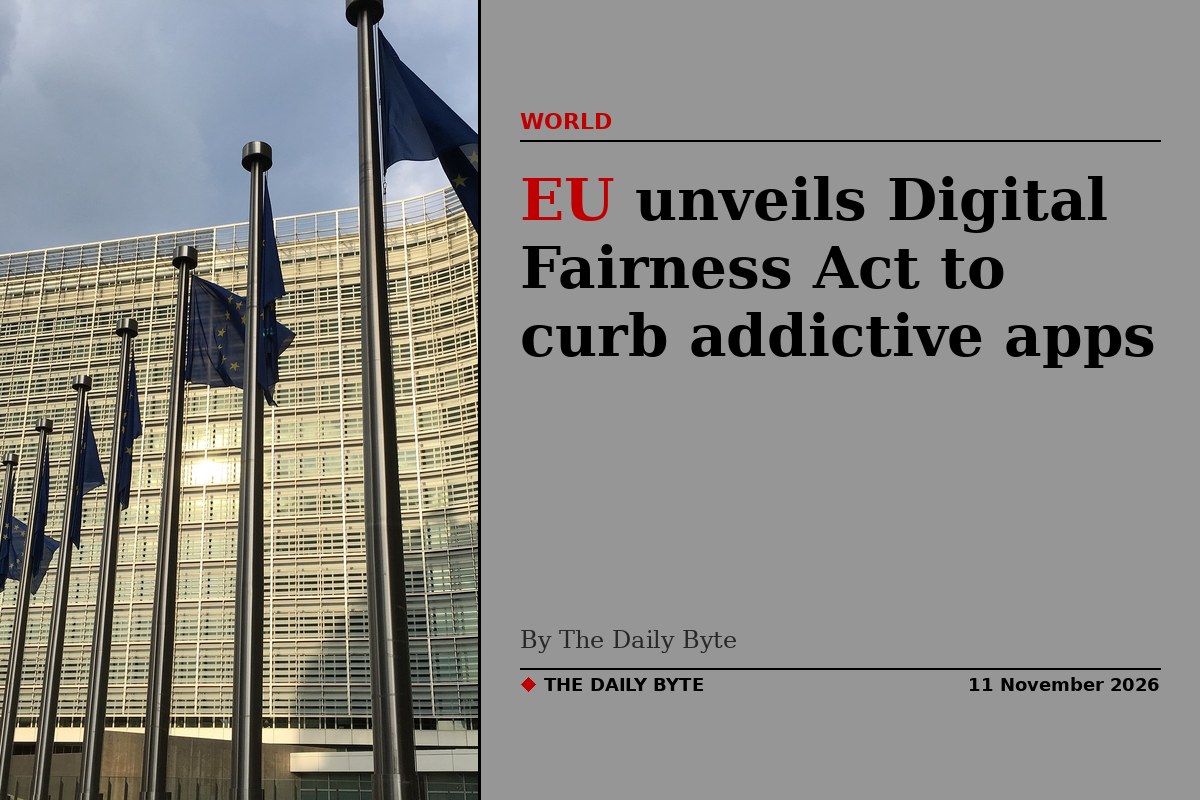
Brussels is preparing to give Europeans a switch to turn off the online features designed to keep them scrolling, spending and coming back. The European Commission is set to unveil its Digital Fairness Act on Wednesday, 11 November, to tackle design tricks that steer people towards choices they did not mean to make.
Draft documents seen by AFP show the proposal would ban so-called dark patterns, tighten the rules on influencer marketing and require platforms to let users disable addictive features. Companies that break the rules in large-scale cases could face fines of up to 6 per cent of annual turnover.
What the new rules would change
The Commission argues the harm is already large. Official data puts consumer losses from problematic digital practices at 10.3 billion euros a year, while a Commission study from 2022 found that 97 per cent of the most popular websites and apps used dark patterns.
Under the draft, influencers would have to label paid posts clearly as advertisements or commercial collaborations, rather than presenting them as personal recommendations. Subscription services would also have to make cancellation straightforward, ending sign-ups that take seconds and cancellations that take far longer.
What happens next
The proposal is only the start of the process. It must still be negotiated by the European Parliament and member states before it can become law, and the text may change. Consumer protection chief Michael McGrath, who is carrying the file, has said the aim is to step up the fight against unfair commercial practices online. Campaigners welcomed the plan but warned its final strength depends on the detail agreed. AFP reports the Commission will unveil the plan on Wednesday, and further reporting confirms the fines and the opt-out for addictive features.


