EU-Mexico trade deal set for 2026 as US tariffs bite
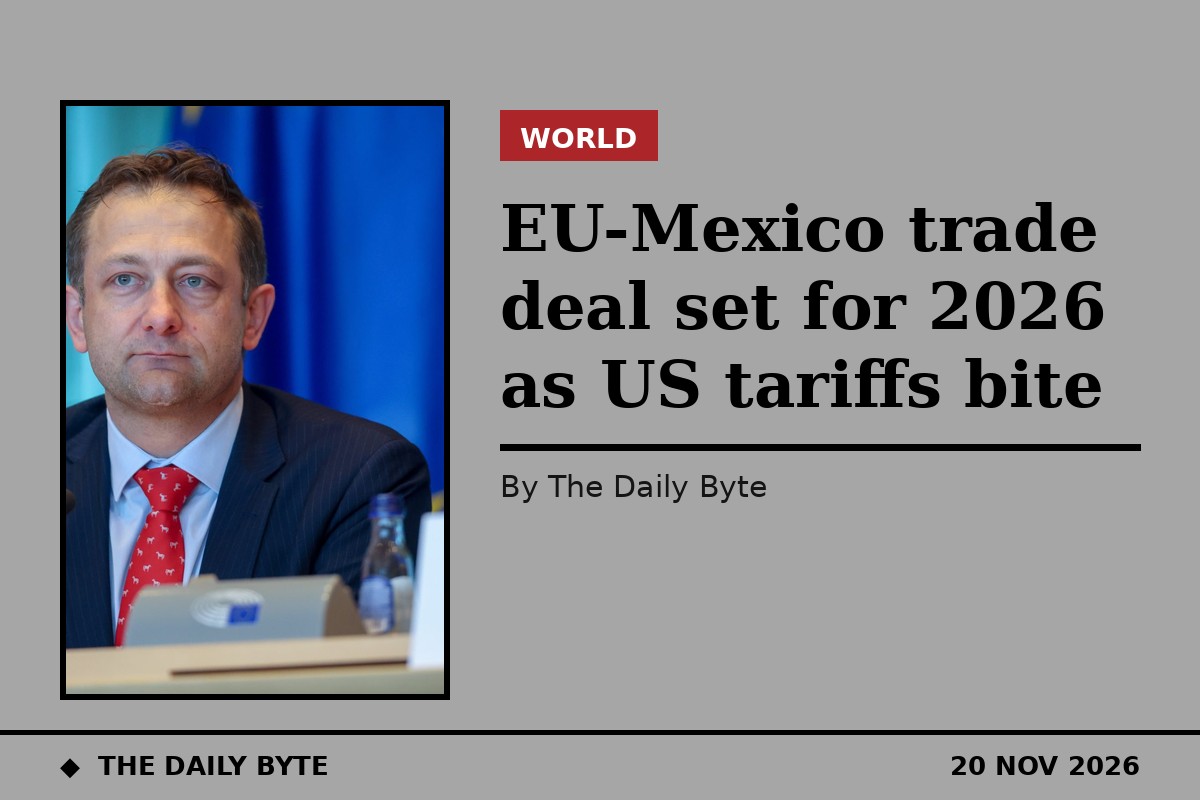
The European Union's agriculture commissioner, Christophe Hansen, expects Mexico to clear the final hurdle for a new trade pact with Europe before the end of the year, as uncertainty over access to the American market draws Mexico and the EU closer together.
The EU and Mexico signed a modernisation of their trade agreement in May, updating a deal first struck in 2000 after close to a decade of stalled negotiations. The European Parliament ratified the interim version of the agreement in July, but it cannot take effect until Mexico's Senate does the same.
Hansen, speaking in an interview during a trade visit to Mexico City, said talks with Mexican officials had given him a "good feeling" that the Senate could vote the pact through by the end of this year. Mexico's economy ministry told Reuters that the Senate had yet to schedule a date for the ratification vote.
Once in force, the deal would cut tariffs for the overwhelming bulk of bilateral food trade. Hansen said 95 per cent of European export products would see duties fall to zero over time, a change he described as very important for European farmers and food producers.
The agreement would also dramatically expand the protection of geographical indications in Mexico, covering more than 500 products whose names are tied to the region where they are made, such as Parmigiano Reggiano cheese. Hansen said the deal would ensure that copycat products disappeared from Mexican shelves, making European goods more competitive.
The timing reflects the pressure Mexico faces from its northern neighbour. The United States is by far Mexico's largest trade partner and buys roughly 80 per cent of its exports, in trade worth about 960 billion dollars a year. In July, Washington declined to extend the North American free trade pact, starting a process of annual reviews that throws the terms of that trade into question.
President Donald Trump's repeated use of tariff threats to influence domestic policy in other countries has unsettled long-established supply chains. Hansen said the current geopolitical situation was bringing together countries that wanted a different model of trade, "one based on speaking as equals, not just the law of the strongest".
"If it's harder to access the US market, then it's only natural we look elsewhere," Hansen said, adding that tariffs had hurt Mexican producers and pushed up food costs in the United States, while also opening new possibilities for both sides.
Mexican products such as avocado, chilli, cocoa and tequila should see good growth prospects in Europe under the deal, Hansen said, while the EU hopes to increase its exports of pork, chicken and dairy to Mexico, a country of more than 130 million people and the United States' biggest export market.
Hansen also suggested that the continuing trade talks between the US and Mexico could be slowing Mexico's ratification of the European deal. The pact takes effect after a period following both sides informing each other that their internal ratifications are complete.
Sources: Reuters; RTL Today


