Government Doubles Social Media Unit to £25m
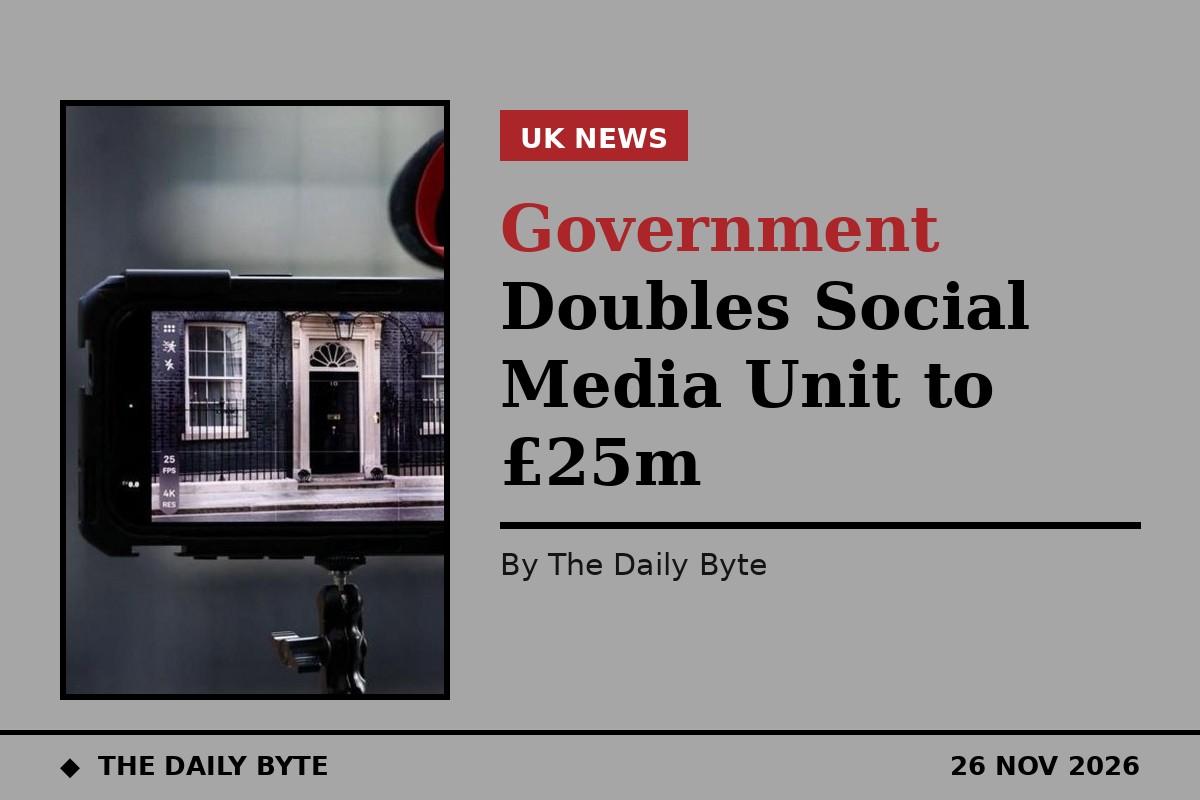
The government is set to almost double spending on its social media unit to £25 million this year, a Freedom of Information request obtained by the BBC has revealed.
The New Media Unit, set up in 2024, promotes government policies on YouTube, TikTok and other platforms. Its budget has risen from £13.2 million last year to £25 million this year, and more than £8.8 million has already been spent on paid campaigns since April.
What the unit does
The unit uses social media advertising and content creators to reach the public, particularly younger audiences who may not follow traditional news. It has also earmarked £750,000 for paying influencers to carry government messages to their followers.
Staff numbers have grown from 21 last year to 43. The unit is being folded into a forthcoming Government Media Unit that will continue the digital-first approach.
The unit was created under Sir Keir Starmer in 2024. Its budget has grown sharply in the two years since, as the government has shifted more of its communications spending online.
The influencer row
The figures come amid scrutiny of the government's use of influencers. On 9 November, Downing Street hosted a reception for content creators, where TikTok star Max Balegde filmed himself outside No 10. The New Media Unit was not involved in that event, but it has helped organise previous Downing Street receptions for creators.
Conservative leader Kemi Badenoch called the antics a "disgrace" and demanded the prime minister disclose every penny spent on courting influencers. The Sun reported that Andy Burnham, who became prime minister in July, has filmed content with at least 30 influencers since taking office.
Supporters of the approach argue that engaging with creators is essential to reach young people who do not consume information through traditional media. Critics say taxpayers' money should not be spent on social media promotion.
The unit sits at the centre of the government's effort to speak directly to the public rather than through the press. Its paid campaigns promote policies ranging from jobs and skills to health and benefits, and its work with creators is aimed at audiences who get most of their news from short video and social feeds. Ministers say that is where many younger voters now are, and that the government has to meet them there.
More than £2m on influencers since 2024
Separate figures show government departments have spent more than £2 million on social media influencers since July 2024, on campaigns covering benefits, recruitment and career development.
The New Media Unit's rising budget is part of a wider shift in how the government communicates. Paid online campaigns now account for a large share of its spending, with almost £9 million spent since April alone.


