House Revises College Sports Act to 22-Team Cap
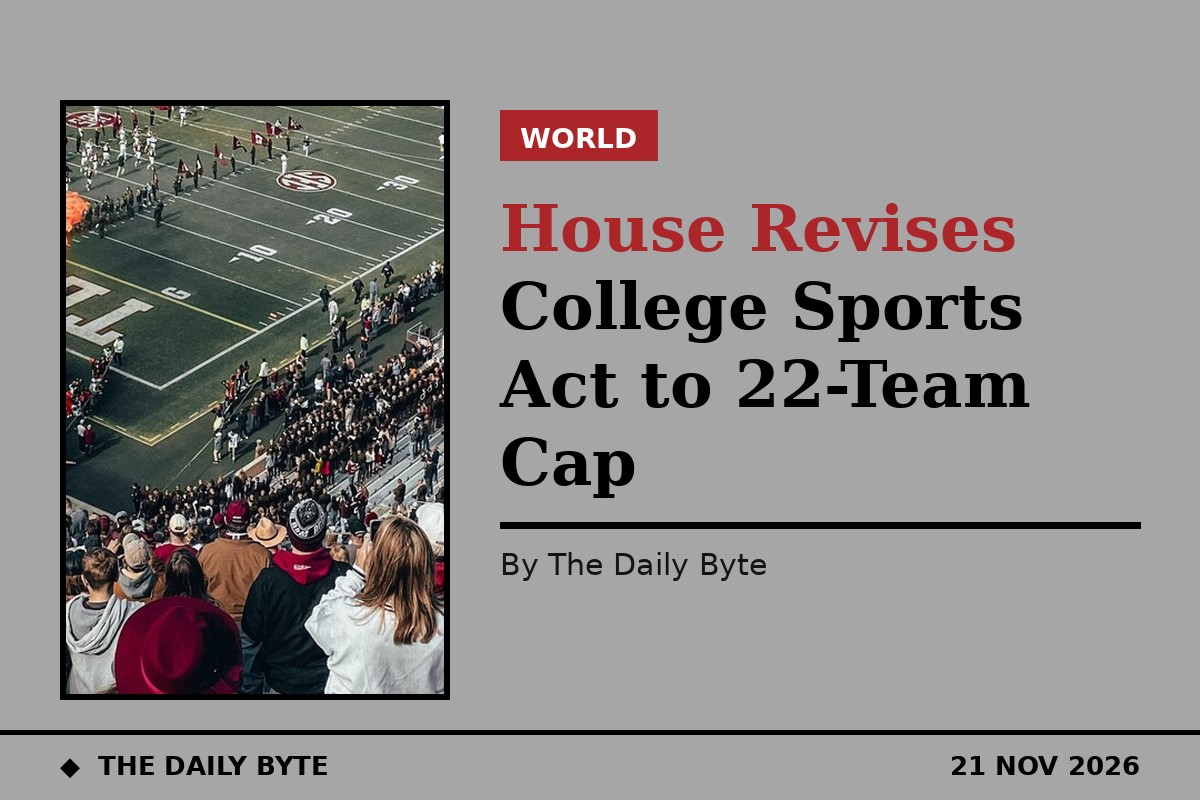
House lawmakers have published a revised version of the Protect College Sports Act, easing two limits opposed by leading college programmes. The House is preparing to push for a vote during the first week of December, before the current Congress adjourns.
The revised text was released on Friday, 20 November. The Rules Committee plans to take it up as early as 30 November, when Congress returns from Thanksgiving, with amendments due by Wednesday, 25 November.
Conference cap rises from 20 to 22
The most significant change raises the maximum size of a Power 4 conference from 20 schools to 22. The version passed by the Senate in late September had capped the leading conferences at 20 members, a limit that would have constrained future expansion by the biggest leagues.
The revised bill also drops a Senate provision that would have forced a school leaving one leading conference for another to spend three years without a league before joining its new one. It also lowers the revenue line for covered conferences from 700 million dollars to 600 million dollars a year.
What the bill would still do
The core of the legislation is unchanged. It would give the NCAA a limited exemption from antitrust law so it can enforce limits on playing time, transfers and athlete pay. It would also raise the amount schools may pay athletes to nearly 50 million dollars, while attempting to close loopholes that channel extra money to players through third-party endorsement deals.
The House text adds new rules on student athletic fees. Colleges would have to publish each year how much they charge students in fees for sports and what the money pays for, from the 2027-28 academic year. From 2029-30, schools averaging at least 50 million dollars a year in media rights revenue would be barred from using student fees to fund their sports programmes.
A tight deadline before January
The Senate passed the bill by 77 votes to 22 on 28 September. If the House passes its revised version, the bill must return to the Senate, and both chambers must agree on a final text by 3 January, or the process starts again when a new Congress is seated. The bill is backed by President Donald Trump and Republican House leaders, although some Democrats have raised concerns, so supporters face a race against the calendar.


