Work Ill Health Costs Britain £24.6bn a Year
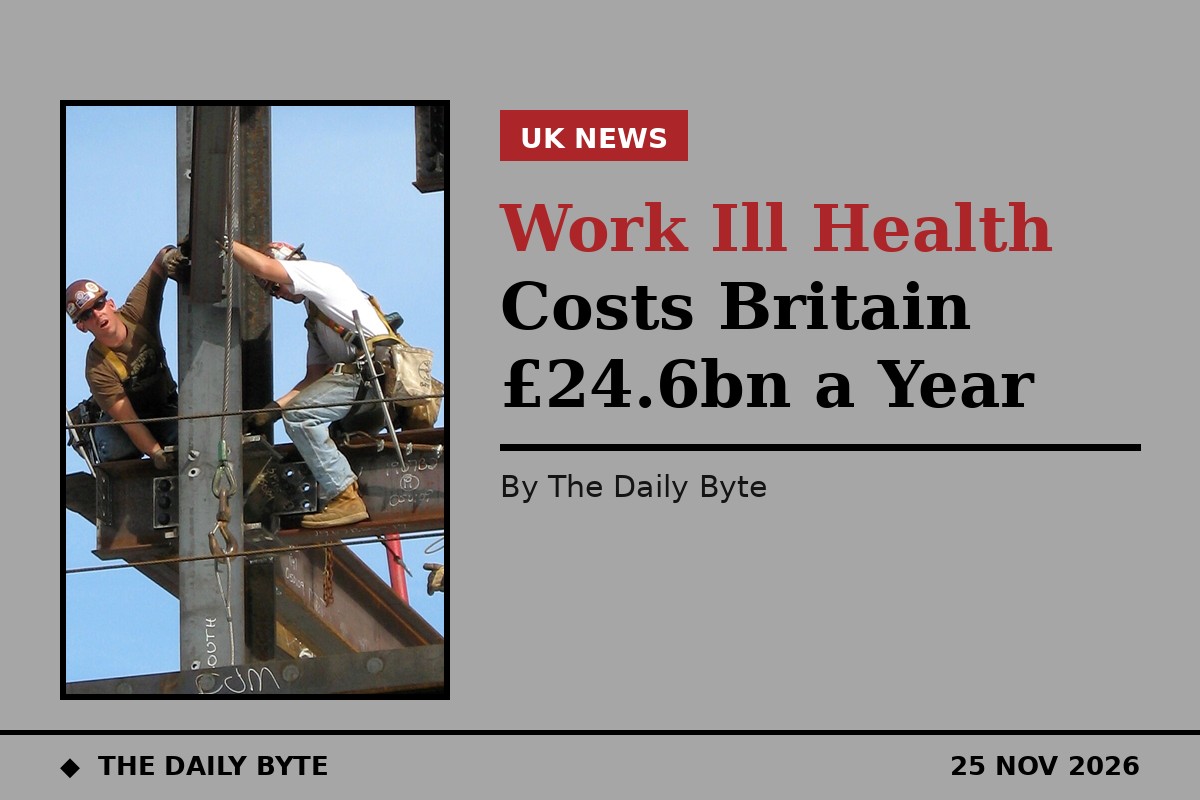
An estimated 1.8 million workers in Great Britain suffered from work-related ill health in 2025/26, and 126 workers were killed in work-related accidents, according to the Health and Safety Executive's annual statistics, published on 19 November. An estimated 39.6 million working days were lost to work-related ill health and workplace injury, and the annual cost of workplace injuries and new cases of ill health was put at £24.6 billion.
Most measures improved slightly on the previous year, but the scale of the problem remains large. The 1.8 million figure, which covers new and long-standing cases, was down from 1.9 million in 2024/25, when the regulator recorded the highest figure on record. Of the total, 699,000 were new cases. The rate of self-reported work-related ill health has been broadly flat over the past four years but remains higher than before the pandemic.
Stress remains the biggest single cause
Work-related stress, depression or anxiety affected 891,000 workers, or almost half of everyone with work-related ill health, down from 964,000 the previous year. An estimated 18.2 million working days were lost to stress, depression or anxiety, compared with 22.1 million in 2024/25. Musculoskeletal disorders affected 477,000 workers, down from 511,000, while 441,000 workers reported another type of work-related ill health, up from 392,000.
The Institution of Occupational Safety and Health said more action was needed on workplace health, arguing that with 1.8 million workers affected and costs to the economy estimated at £24.6 billion, work-related ill health continues to place a substantial burden on individuals, employers and society. The regulator has said its inspections will examine psychological as well as physical ill health, a shift that puts stress management under the same scrutiny as guards on machines and scaffolding.
Injuries and deaths edge down
An estimated 688,000 workers sustained a non-fatal injury at work, according to self-reports in the Labour Force Survey, up slightly from 680,000 the previous year. Employers reported 58,298 non-fatal injuries under the Reporting of Injuries, Diseases and Dangerous Occurrences Regulations, down from 59,931. The regulator estimates employers report only around half of the injuries the regulations require, so the survey figure gives the fuller picture.
The 126 workers killed in work-related accidents in 2025/26 compares with 128 in 2024/25. The figure is provisional and will be finalised in July 2027. Falls from height caused 31 of the deaths. Among employer-reported non-fatal injuries, slips, trips and falls on the same level caused 29 per cent, handling, lifting or carrying caused 18 per cent, and acts of violence caused 11 per cent. Work-related ill health accounted for 35.0 million of the working days lost, against 4.6 million lost to non-fatal injuries.
The figures also show the long tail of occupational disease. There were 2,146 deaths from mesothelioma linked to past asbestos exposure during 2024, down from 2,255 in 2023, and an estimated 13,000 deaths each year are linked to past exposure at work.
The £24.6 billion bill
New cases of ill health account for £17.6 billion, or 72 per cent, of the £24.6 billion annual cost, with injuries costing £6.9 billion. Individuals bear the largest share of the cost, at £14.5 billion, followed by government at £5.4 billion and employers at £4.6 billion. The totals include both financial costs, such as lost output and healthcare, and human costs, which put a monetary value on pain, grief, suffering and loss of life.
The cost figure needs care in reading. It is a three-year rolling average expressed in 2025 prices, and it excludes long-latency illnesses such as cancer, so the rise from the previous estimate should not be read as a like-for-like increase in harm. Even with that caution, the statistics describe a workplace health problem that has eased only slightly from record levels: fewer workers are ill, fewer days are lost and fewer people are dying at work, but 1.8 million people are still living with ill health caused by their jobs.