IMF: war-hit Middle East and North Africa region to shrink 1.3% in 2026
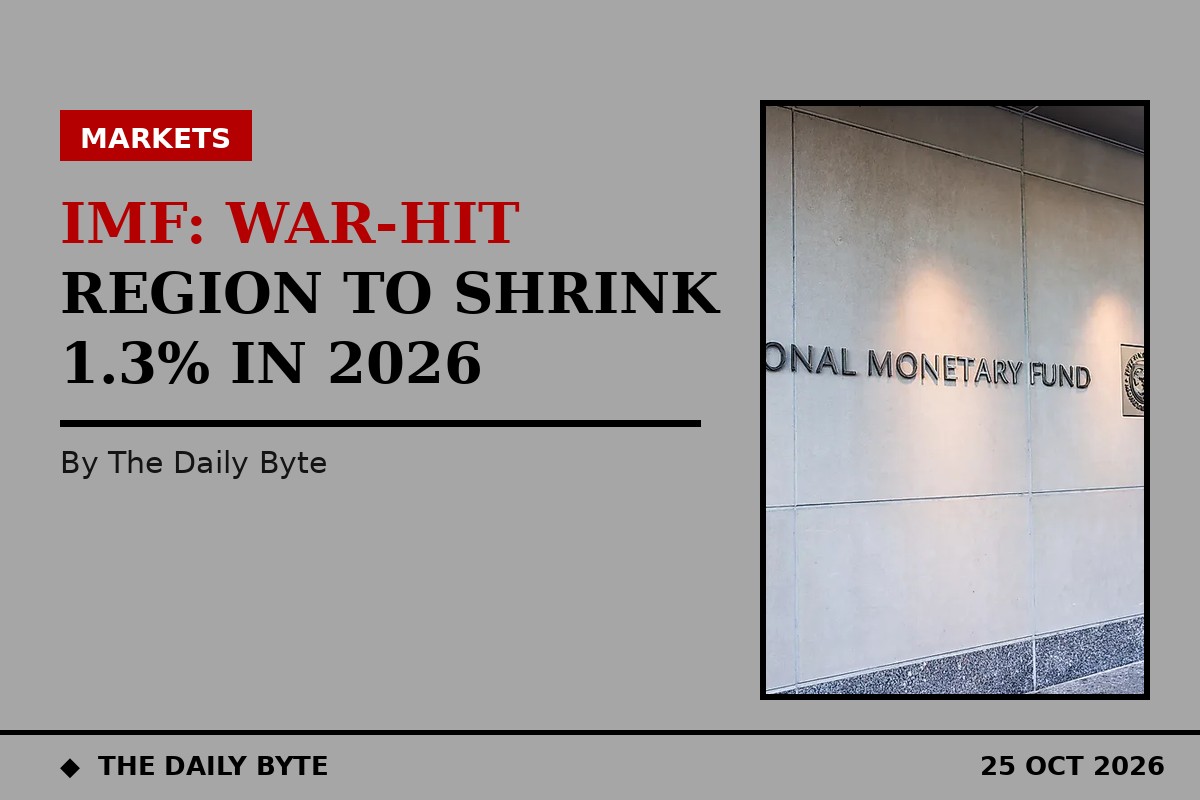
The International Monetary Fund expects the combined economies of the Middle East, North Africa, Afghanistan and Pakistan to contract by 1.3% in 2026, as the war involving Iran drags on growth, disrupts energy production and unsettles trade, according to the Fund's regional outlook published on 22 October.
The same outlook projects a 6.6% rebound in 2027 once the conflict is resolved and trade returns to normal, a recovery that depends heavily on developments in the conflict and the restoration of energy flows. The Fund warned that further disruption to energy production could hurt the outlook further, and that economies in the region could remain below where they were before the conflict. It urged governments and central banks to keep inflation under control, protect financial stability and keep public debt in check, with targeted support for vulnerable households and businesses.
Read the regional figure correctly
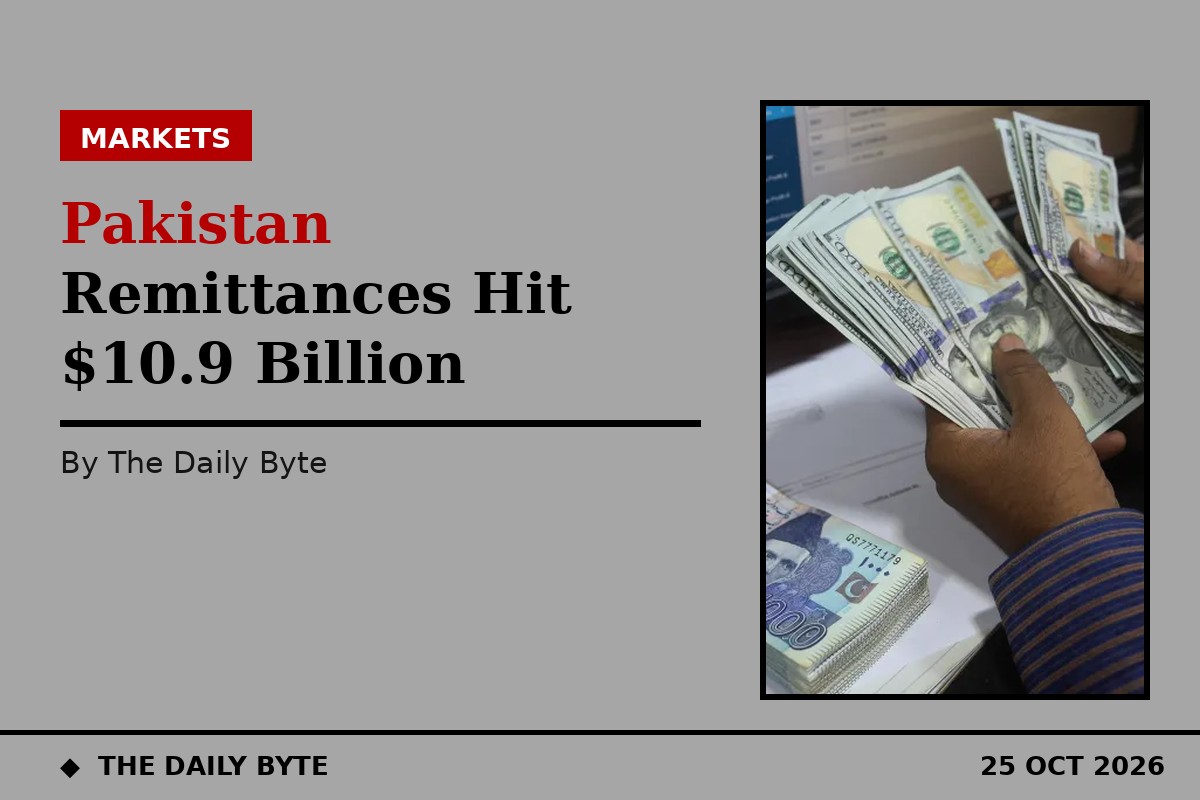
The 1.3% contraction is a combined regional aggregate, not a forecast for any single country, and it should not be read as a Pakistan forecast. For Pakistan itself, the World Bank forecasts 3.8% growth for 2026-27 after 3.7% last year, while the IMF projects 3.5%. On inflation, the World Bank puts Pakistan at 8.2% for 2026-27 and the IMF at 9.9%. The Gulf is in deep recession because of the war, which drags the regional total down even where individual economies are still growing.
This is reporting of published forecasts, not investment advice: forecasts change as the conflict and energy markets develop.
Source: MyFinBright, 25 October 2026, reporting the IMF regional outlook of 22 October 2026; Lahore Times, 23 October 2026, checking the Pakistan-specific World Bank and IMF figures.