Iran Air Force vows to harden critical infrastructure
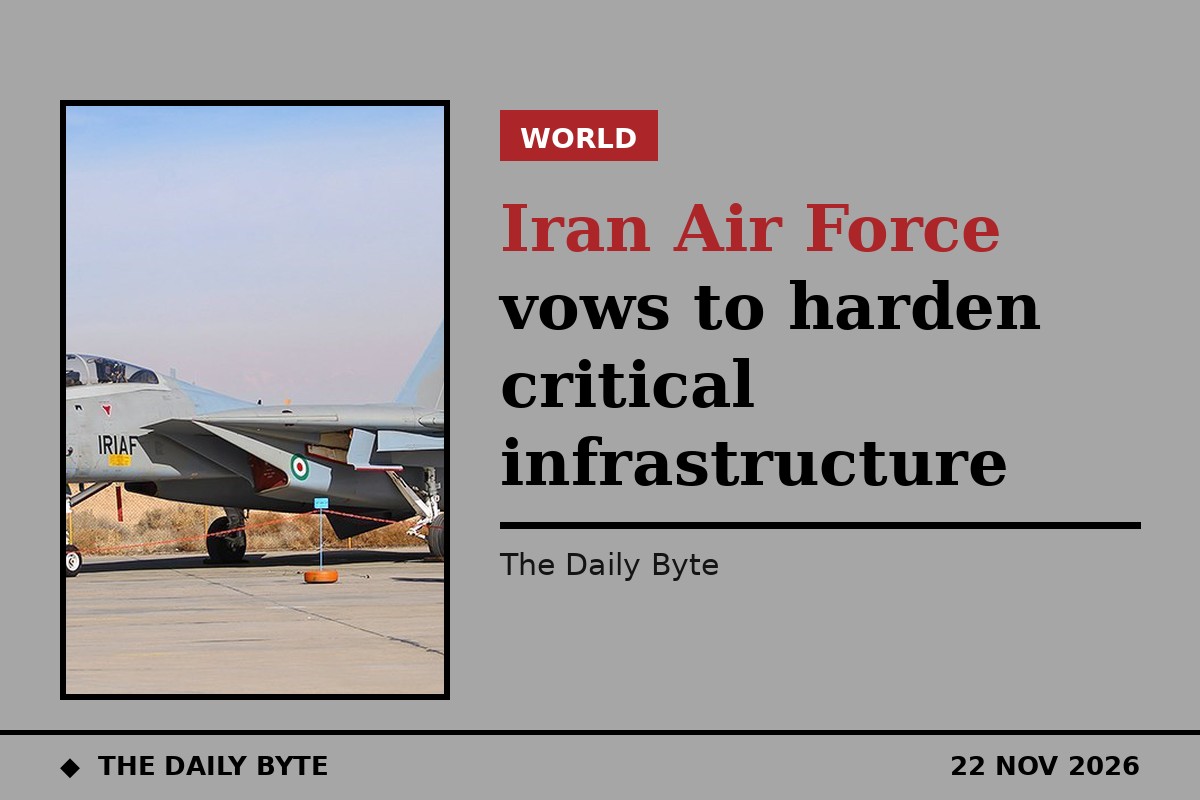
Iran’s Air Force and the country’s passive defence organisation have agreed to expand their cooperation to protect critical infrastructure and strengthen defence capabilities, according to a statement reported by Iran’s state news agency IRNA on 22 November 2026. The agreement was announced by the Army’s public relations department. No independent confirmation of the agreement has been published, and the statement did not name the sites or systems covered.
The move comes as Iran continues to prepare for the possibility of renewed strikes by the United States and Israel, nine months into a war that has already damaged Iranian energy infrastructure and left the Strait of Hormuz closed to shipping. It follows a series of public readiness measures by Tehran, including civil defence exercises and repeated warnings from senior commanders about threats to the country’s infrastructure.
What passive defence means in Iran
Passive defence, as Iran’s armed forces describe it, covers measures to protect personnel, safeguard vital infrastructure and assets, ensure cybersecurity and keep the armed forces functioning during wartime and crises, without relying on offensive weapons. Iran’s top military commander, Major General Ali Abdollahi, chief of staff of the armed forces, called strengthening civil defence a “vital and definitive necessity” in a message on 31 October 2026 marking Civil Defense Week, citing what he called US-Israeli threats to attack critical Iranian infrastructure, according to Press TV.
Abdollahi said the aim was to reduce vulnerabilities, raise the threshold for withstanding attacks and ensure the continued functioning of the armed forces’ main components. Civil Defense Week ran from 26 October to 2 November, and the armed forces have held preparedness exercises as part of the programme.
Why the focus on infrastructure now
Iran’s energy system has been under severe strain since the 40-day war that began on 28 February 2026. President Masoud Pezeshkian has said about 230 million cubic metres of daily gas capacity has come under attack, and the government is urging the public to save electricity and gas. The US naval blockade of Iran’s southern ports reached its 130th day on 22 November, with US Central Command saying it has prevented billions of dollars in Iranian crude exports.
Iranian media also reported on 16 November that the air defence network had been activated over Isfahan, the central Iranian city that hosts a uranium conversion facility and much of the country’s enriched uranium stockpile. That report, from the semi-official Mehr News Agency, gave no reason for the activation and mentioned no attack, damage or casualties, and it has not been independently corroborated.
Frequently asked questions
What did Iran’s Air Force and passive defence body agree? According to IRNA, they agreed to expand cooperation to protect critical infrastructure and strengthen defence capabilities. The announcement came in a statement from the Army’s public relations department, and no further details have been published.
What is passive defence? In Iran’s military doctrine it means non-offensive protection: hardening sites, dispersing assets, protecting personnel and keeping essential systems running during wartime, including cybersecurity and continuity planning.
Which sites are covered? The statement did not say. Iranian commanders have spoken in general terms about energy facilities, military sites and other vital infrastructure, but no list has been published.
Sources: IRNA report via NewsAreNet; Press TV. Note: the 22 November agreement itself rests on the IRNA report alone, with no independent confirmation published.


