Iran Warns of Gas Shortages This Winter After War Damage to Processing Plants
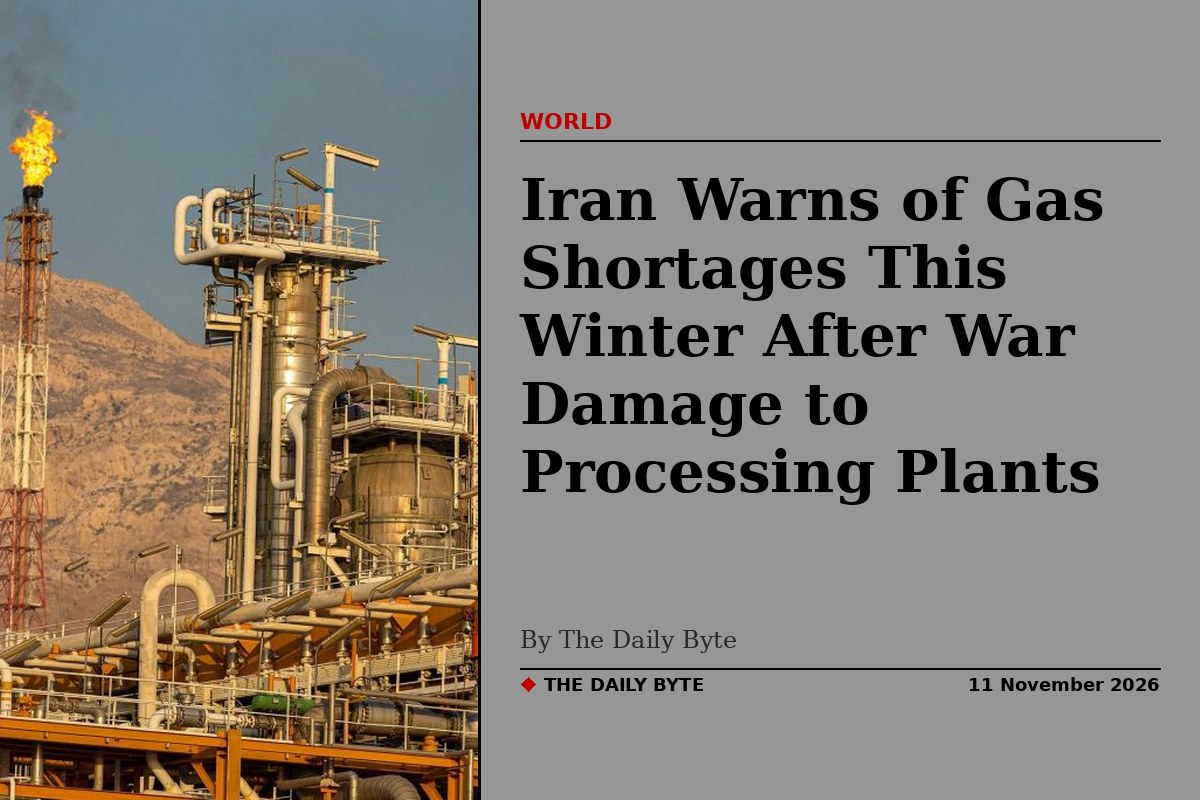
Iran has warned of worsening gas shortages this winter after damage to processing facilities during the war with the United States, with supply cuts possible across the country, including in the capital, Tehran, if consumption stays high.
Government spokesperson Fatemeh Mohajerani told a news conference in Tehran on Tuesday that cuts could affect the whole country. She forecast a shortfall of 430 million cubic metres in gas supply this year, compared with about 300 million cubic metres in previous years.
Four processing plants damaged in the war
Saeed Tavakoli, managing director of the National Iranian Gas Company, said this month that four processing plants were damaged during the first phase of the conflict early this year. The damage initially reduced capacity by 230 million cubic metres, of which around 100 million had so far been restored.
Last week the company warned that 11 of Iran's 31 provinces could face supply difficulties this winter. It named Mazandaran on the Caspian coast, and Golestan and North Khorasan along the border with Turkmenistan, as the most vulnerable areas.
Iranians urged to cut gas use by 10 per cent
Political leaders have urged Iranians to use less gas. Parliament Speaker Mohammad Baqer Qalibaf on Sunday called on people to cut their gas use by 10 per cent ahead of the winter.
First Vice President Mohammad Reza Aref was cited by the state news agency IRNA on Monday as saying gas prices could rise as a result of the reduced supply if consumption was excessive.
Iran, a major oil producer, controls part of the world's biggest natural gas field, but it has sometimes struggled to meet domestic demand because of outdated equipment, worsened by international sanctions. It is now also subject to a US blockade of its ports.
The country faced gas shortages and power cuts even before the conflict, which began with a US and Israeli air campaign on 28 February. Officials say that situation has now worsened, leaving households and industry facing a difficult winter.


