Iraq to Ship Oil Through Hormuz Oman Lane
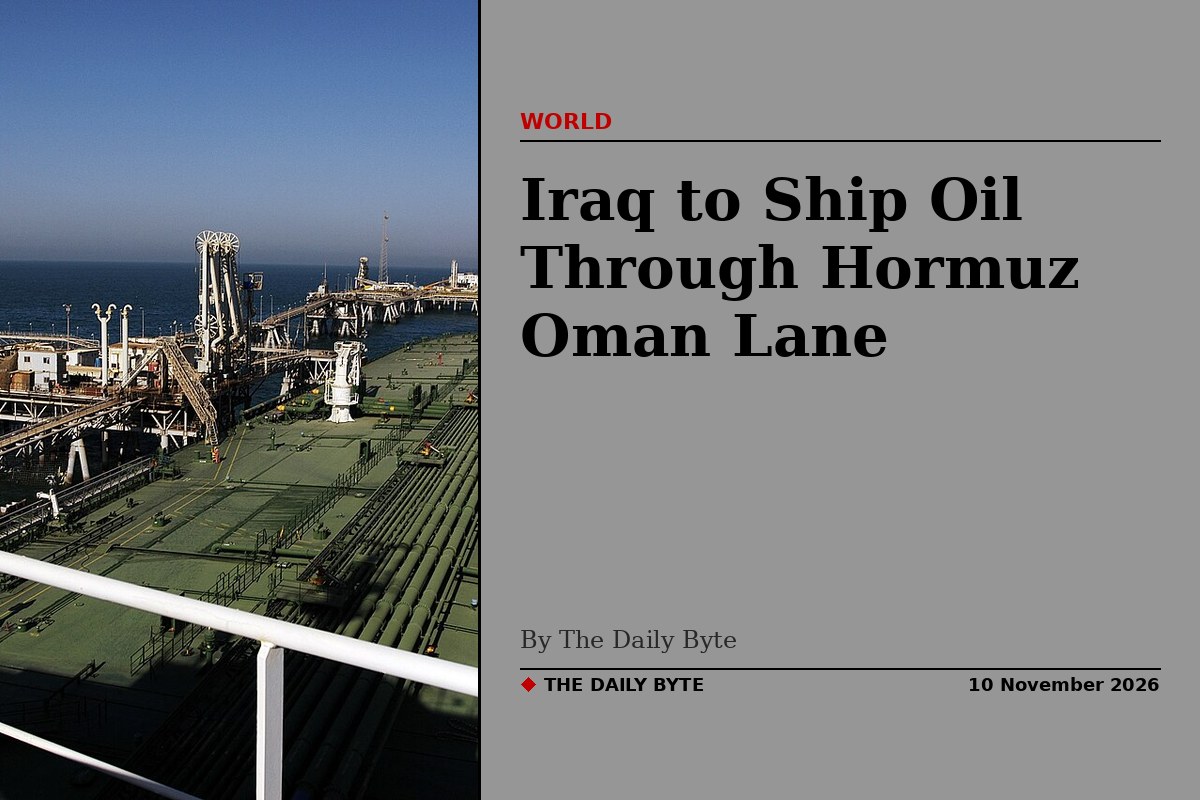
Iraq has reached understandings with the United States that will allow its oil exports to pass through the Strait of Hormuz using a shipping lane near Oman, Foreign Minister Fuad Hussein has said, offering Baghdad a way to keep its crude flowing despite the war with Iran.
Hussein told Al Jazeera in an interview on Sunday, 8 November, that the arrangement had been worked out with Washington. He did not set out the terms, including how tankers would be screened, escorted or insured, and the United States has not publicly detailed what the understanding commits it to.
The minister put Iraq’s losses from the Iran war and the disruption to its oil exports at $60 billion, underlining how heavily the conflict has weighed on a country whose economy depends on crude sales.
Iraqi energy officials said exports recovered in October to about 3.5 million barrels per day, up from 2.65 million barrels per day in September, after falling sharply the previous month as the fighting disrupted shipments through the strait.
Why the strait matters to Iraq
Most of Iraq’s crude leaves from southern terminals, so the Strait of Hormuz, the narrow waterway between Iran and Oman, is the country’s main route to world markets. Tehran has restricted traffic through the strait since the war began on 28 February, while the United States has enforced a naval blockade of Iranian ports.
Hussein said shipments had resumed after understandings were reached, although the arrangement does not amount to a general reopening of the strait to all vessels or a lifting of all restrictions. The precise mechanics of the Oman lane, and any guarantees behind it, have not been published.
The announcement came as Iraq continues to balance pressure from Washington with its own economic needs. The US Treasury has asked Baghdad to close all of its border crossings with Iran except for two, as part of efforts to increase economic pressure on Tehran.
Hussein said closing all of the crossings would be difficult and would hurt Iraq’s economy, adding that the Americans were still pressing the demand and that discussions were continuing. Iraq closed the busy Sheeb border crossing with Iran last month to review security and install detection equipment to stop smuggling.
Exports recovering
The recovery in export volumes in October suggests Baghdad has found ways to keep oil moving even while the strait remains contested. Iraqi officials have also boosted exports through Turkey’s Ceyhan port, moving crude northwards by road to the pipeline system.
For Iraq, the understanding with Washington offers breathing space. Oil revenue funds almost all government spending, and a prolonged halt to exports through the Gulf would deepen an already severe fiscal strain.
Whether the Oman lane holds will depend on conditions in the strait, where attacks on shipping have continued and Iran has said it controls transit through waters it considers unauthorised. For now, Baghdad says it has a route, even if the wider conflict that closed the waterway remains unresolved.


