Iraq and Syria eye 2m barrels a day via Baniyas pipeline
A Mediterranean alternative to Hormuz
Iraq and Syria have discussed exporting up to two million barrels of Iraqi crude a day through the Baniyas pipeline to Syria's Mediterranean coast, in a plan aimed at giving Baghdad an export route that bypasses the Strait of Hormuz. Iraqi Prime Minister Ali al-Zaidi and Syrian President Ahmad al-Sharaa discussed the idea in Damascus on Wednesday 28 October, alongside wider trade and security cooperation. The talks were the first visit by an Iraqi premier to Syria since the fall of the Bashar al-Assad government in late 2024, after an earlier September meeting on the sidelines of the UN General Assembly in New York.
What has been agreed, and what has not
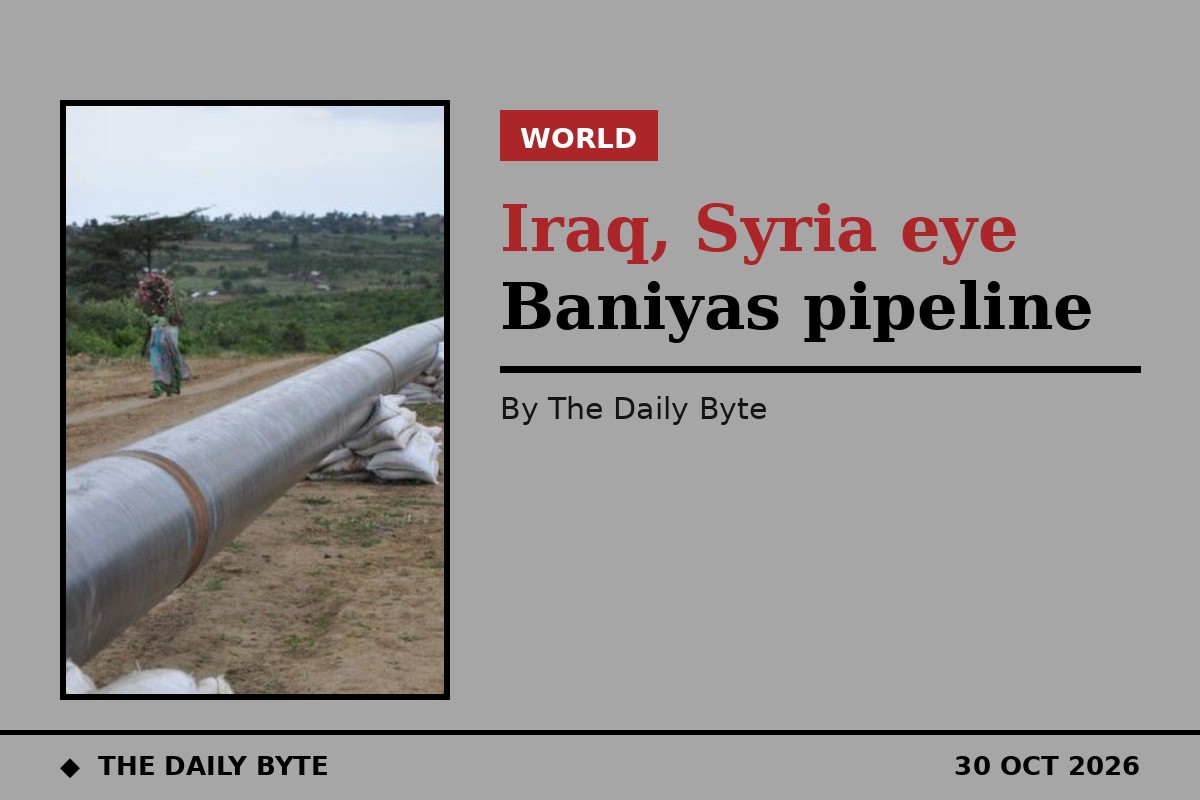
The proposal builds on a memorandum of understanding signed by Damascus and Baghdad in July to rehabilitate the pipeline from Haditha in western Iraq to Baniyas, with a consortium including United States energy company Chevron expected to carry out the work. Baghdad has also approved technical and financial studies for two routes: Basra-Haditha-Baniyas through Syria, and Basra-Haditha-Kirkuk-Ceyhan through Türkiye. Crucially, official statements gave no technical specifications, financing details or implementation timetable, so the two-million-barrel figure is a discussed capacity, not a guaranteed flow.
Why the route matters now
Most Iraqi crude currently moves through Hormuz, the narrow waterway at the centre of the current Middle East conflict, where shipping attacks and mine claims have kept risk premiums high and pushed producers to seek alternatives. A working Baniyas route would let Iraq reach Mediterranean buyers without that chokepoint, and would deepen economic ties between two neighbours rebuilding their relationship. Until studies, funding and rehabilitation work are settled, however, the plan remains a strategic ambition rather than an operating export corridor, and readers should treat the capacity figure as the scale under discussion, not oil already flowing at that rate.
Sources: Pipeline Technology Journal | Arab Hub Post