Iraqi Security Adviser in Tehran for Border Talks
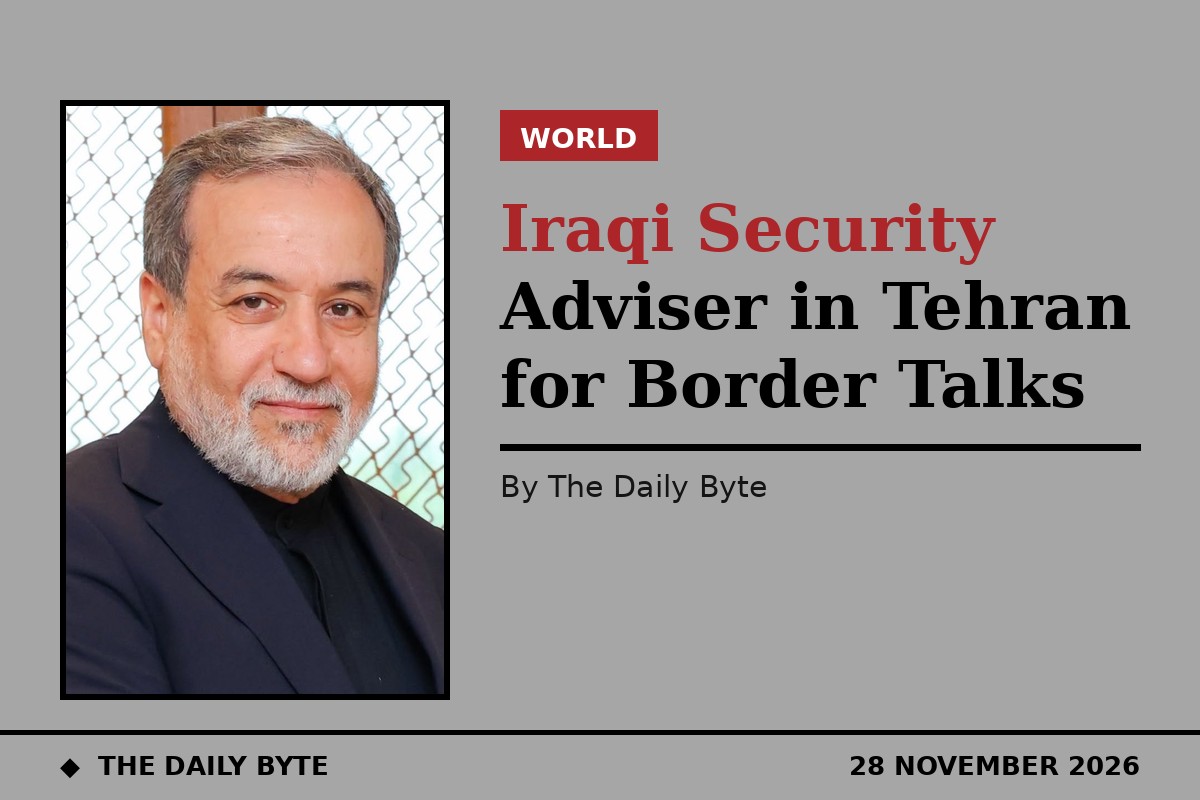
Iraq's National Security Adviser, Qasim al-Araji, arrived in Tehran on Saturday for talks with Iranian officials, as Baghdad sought to steady a border dispute that has placed Iraq between American pressure and Iranian warnings.
Mr al-Araji travelled as an envoy of Prime Minister Ali al-Zaidi and led a security delegation that included the Kurdistan Regional Government's Interior Minister, Rebar Ahmad, Kurdish media reported. He met the Iranian Foreign Minister, Abbas Araghchi, in Tehran on Saturday afternoon.
According to a statement from the adviser's office, the two sides discussed the latest developments in the Middle East and the border issue between the two countries, including Iraq's implementation of a joint security agreement intended to maintain permanent peace and security along the frontier. They also stressed coordination between regional countries to prevent conflicts from escalating.
Border closures and a smuggling crackdown
The visit followed Iraq's decision on Thursday to close two border crossings in the Kurdish region, one with Iran and one with Syria, after Mr Zaidi ordered federal authorities to take control of crossings run by the semi-autonomous Kurdistan administration. Thousands of Kurds protested on Thursday against the move, and the regional government described it as a constitutional violation.
The closures form part of a wider crackdown on oil smuggling ordered by Mr Zaidi, who took office in May. Baghdad has said crude oil exports that bypass the state marketer, SOMO, count as smuggling, and a government spokesman said Iraq had lost an estimated $100 billion to oil smuggling through the Kurdistan region between 2008 and 2025. Iraq's highest court ruled on Wednesday that Baghdad may deploy federal forces along all of the country's international borders.
An intelligence document cited by Iraqi state media alleged that crude was being smuggled in tanker trucks from fields in Kirkuk and Sulaymaniyah provinces into Iran, blended with Iranian crude and exported onward to Afghanistan. The document has not been independently authenticated.
Caught between Washington and Tehran
The United States has pressed Baghdad to shut smuggling routes and restrict cross-border trade with Iran, as Washington's naval blockade of Iranian ports squeezes Tehran's oil revenues. President Donald Trump wrote on Friday that he supported Mr Zaidi's efforts to assert state authority throughout Iraq, stop the smuggling of Iraqi oil, end corruption and bring all weapons under the exclusive control of the state.
Tehran has pushed back. Mohammad Mokhber, an adviser to Iran's Supreme Leader, Ayatollah Mojtaba Khamenei, warned Iraq on Friday not to become an instrument of American policy, telling Baghdad that Iran had stood by Iraq in difficult times and that it must remain vigilant.
Iraq has long balanced close ties with both Washington and Tehran, and the dispute over its northern borders has become the latest test of that position. Talks between Baghdad and the Kurdish regional government are due to take place on 1 December under the sponsorship of the head of Iraq's Supreme Judicial Council.
For now, the adviser's visit signals that Baghdad wants the border question settled through direct talks with Tehran rather than through further unilateral steps. Whether the crossings reopen, and on what terms, is likely to depend on what the two sides agreed behind closed doors.


