Japan Advisers Say 2% Inflation Is Not the Goal
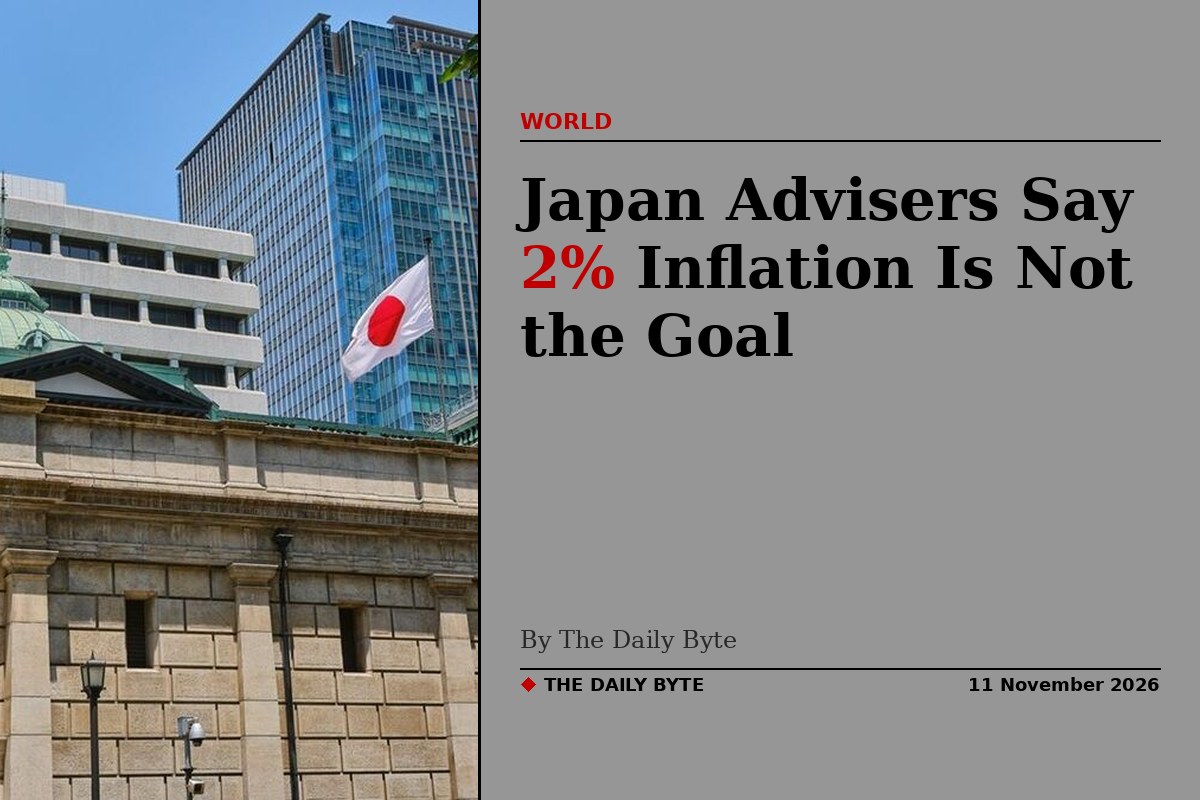
Private-sector members of Japan's top economic panel have told the government that reaching the Bank of Japan's 2% inflation target is not an end in itself, and that higher incomes and stronger productivity are needed before the country can claim a lasting exit from deflation. The warning was delivered to the Council on Economic and Fiscal Policy on Wednesday, 11 November.
The submission comes a month after the central bank declared victory in its nearly 14-year battle to bring inflation up to its 2% target. The four external experts on the council argued that the milestone, while significant, does not by itself mean the economy has escaped the deflationary mindset that has shaped Japan for decades.
"What matters is not treating inflation itself as the end goal, but achieving a growth-driven economy with sustained increases in real incomes and productivity," the members said in their submission.
Consumption still weak despite progress on prices
The advisers acknowledged that there has been steady progress away from long-entrenched deflation. But they said private consumption remains weak, and improvements in real incomes and long-term growth expectations have yet to be fully realised.
Japan's core consumer price index rose 2.1% in the year to September, exceeding the Bank of Japan's target for the first time in nine months. The panel's message was that a single reading above target does not guarantee that price rises will last, particularly if household spending stays soft and wage growth fails to keep pace with prices.
The members also pointed to risks facing the economy, including energy prices, financial market conditions and trends in investment linked to artificial intelligence. They urged policymakers to monitor developments closely and respond flexibly to maintain a stable macroeconomic environment.
Takaichi echoes the call for higher incomes
Prime Minister Sanae Takaichi struck a similar note in her closing remarks to the council, saying the ultimate goal was to ensure people feel the benefits of economic growth through higher incomes and productivity. The council is chaired by the prime minister and includes the finance minister and the Bank of Japan governor.
"Based on the existing joint accord, the government will continue to work closely with the BOJ, with each side fulfilling its respective role, to achieve price stability and sustainable economic growth," Takaichi said.
The government has stopped short of officially declaring victory over deflation, saying it needs clearer evidence that the economy will not slide back into a period of persistent price falls. That caution sits alongside the central bank's own position: the Bank of Japan has flagged the need to continue raising interest rates to guard against upside price risks and prevent underlying inflation from overshooting its 2% target.
What happens next
The panel's intervention sets the terms for the next phase of Japan's economic debate. If inflation is to stay around 2% without constant support, the advisers argue, it must be driven by demand and wage growth rather than by rising costs alone. That puts the focus on pay negotiations, business investment and productivity, and on whether households start spending more freely.
For now, the message from the council is that the 2% target is a staging post, not the destination. The test, in the advisers' view, will be whether ordinary households begin to feel better off as prices rise, and whether that confidence survives the next turn in energy costs or financial markets.


