Labour MPs Push Property Tax That Could Hit Londoners
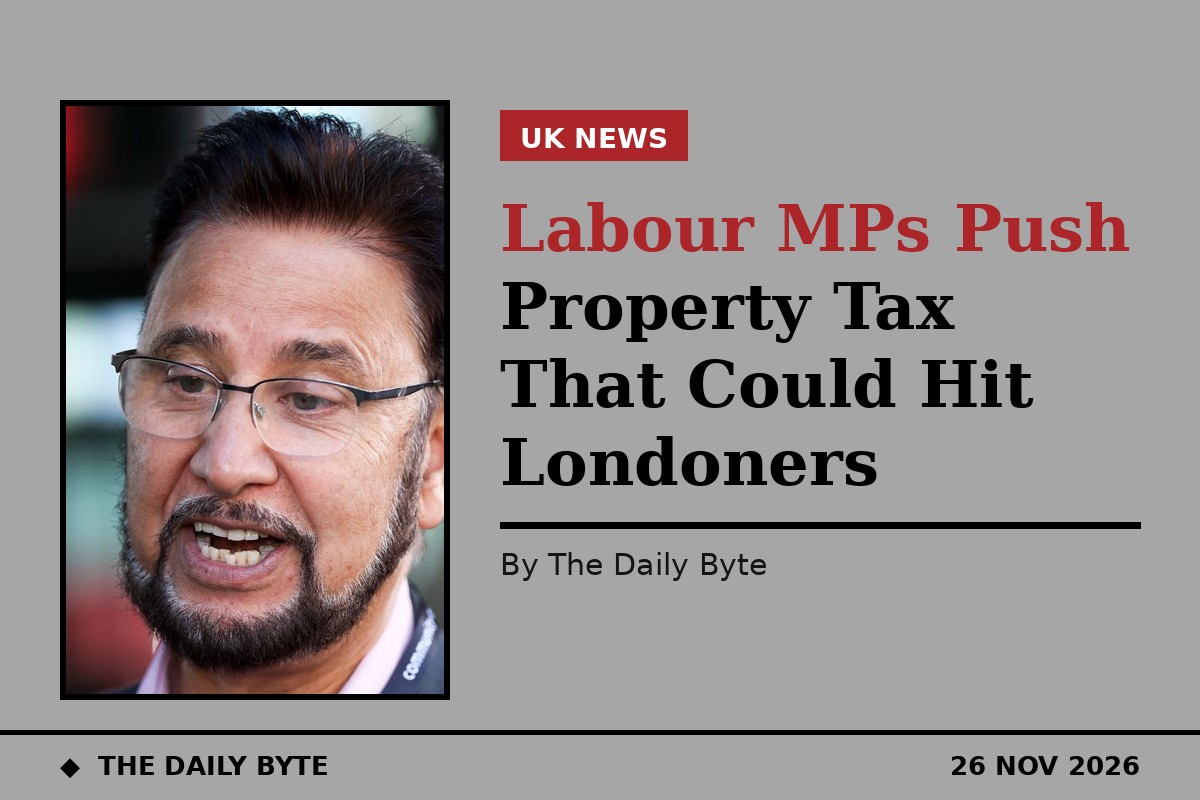
Labour MPs have called for council tax and stamp duty to be replaced with an annual charge based on a proportion of property values, a move critics say could leave some London homeowners facing far higher annual bills.
The proposal was raised at a Westminster Hall debate on Monday. Supporters say a proportional system would make local taxation fairer and ease costs for many households. But critics warn that Londoners with expensive homes could face steep charges, including people who bought when prices were lower and may struggle to afford a larger annual bill. The government has not announced plans to replace council tax or stamp duty.
What the modelling suggests
Modelling by Tax Policy Associates, cited in the debate, estimated that an Islington flat in council tax band F could face an annual land value tax bill of £12,000, compared with £2,900 in council tax. A band H property in Westminster or Kensington worth millions of pounds could face a bill of more than £40,000. The modelling also projected that average home values in Richmond could fall by 19 per cent under the system. These figures are estimates, not announced charges. A land value tax would be based on the undeveloped value of land, rather than the full value of a home.
Labour MP Afzal Khan, who represents Manchester Rusholme, was among those demanding a move to a proportional charge. He said: "The rising cost of living is a big issue for my constituents and out-of-date tax measures contribute to that. Does he agree that it is hardly fair for my Manchester Rusholme constituents to pay hundreds of pounds more a year than those living in the wealthiest borough of London? Is it not finally time to make local government taxation progressive and end this great rip-off once and for all?"
Richard Burgon, the Labour MP for Leeds East, added: "Replacing council tax with a progressive alternative such as a proportional property tax or a land value tax could make life much more affordable for the vast majority of households. Crucially, we could do that without increasing the overall tax burden while protecting council funding." He said council tax was still based on property valuations from 1991, with outdated valuations failing to reflect the increases in property wealth in some parts of the country as house prices soared.
Warnings from Labour's own benches
Other Labour MPs urged caution. Cat Eccles, the MP for Stourbridge, warned that a radical replacement for local taxes could provoke public opposition, pointing to the history of the poll tax. She said: "The last time a Government tried a radical replacement for domestic rates, it ended with riots, protests and a Prime Minister leaving office. I would therefore gently suggest that taxpayers are not always enthusiastic participants in local government finance experiments."
The debate did not set out a timetable, detailed policy or how any new charge would protect people unable to pay higher bills. Prime Minister Andy Burnham has previously said he is "persuaded" of the argument for a land value tax, which would be based on the undeveloped value of land. Labour has already introduced a so-called mansion tax on high-value homes, but has stopped short of ordering a countrywide revaluation of council tax.
For now the proposal remains a backbench call rather than government policy. But the figures cited in the debate show why it is contentious in the capital: any charge tied to property values would fall hardest on London, where prices are highest, even on households whose incomes have not kept pace with the value of their homes.


