Malawi Anti-Graft Body Still Without a Chief
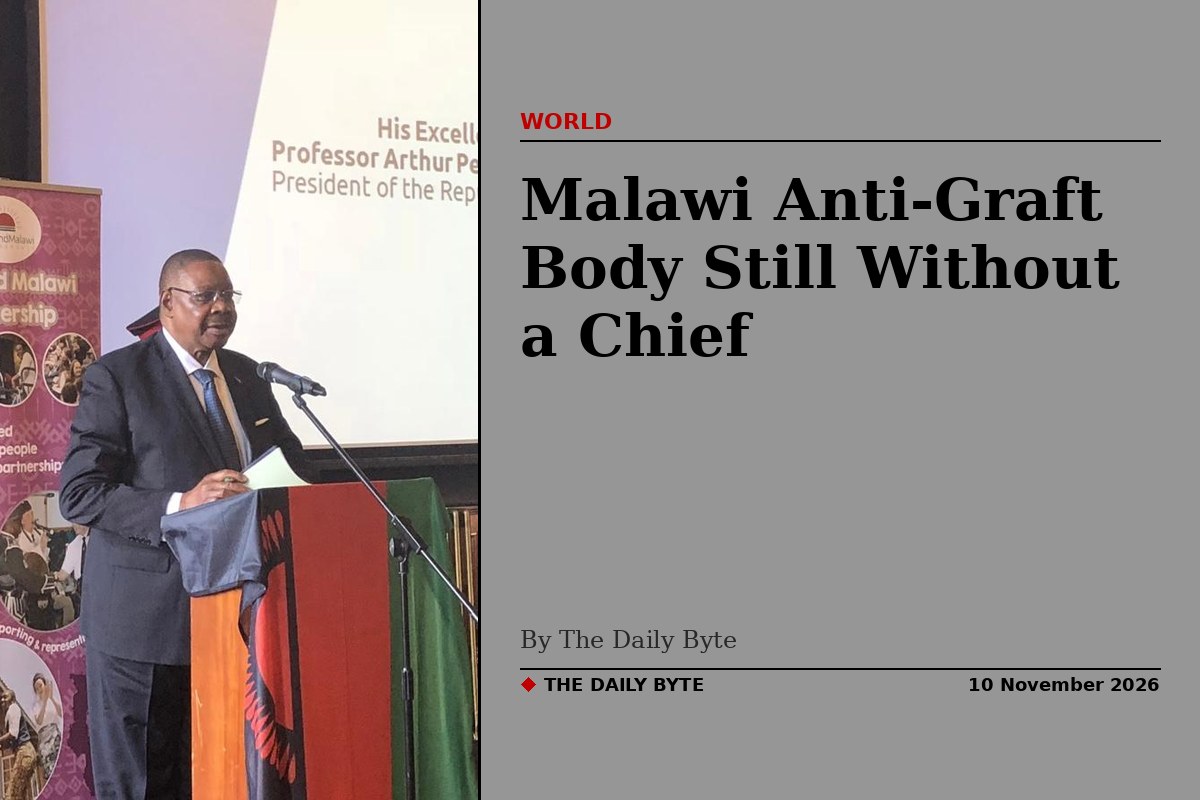
Malawi's Anti-Corruption Bureau (ACB) is still without a permanent director general, more than two years after the last substantive chief left office, in a vacancy that is testing President Peter Mutharika's pledge to fight corruption.
The bureau has had no permanent head since Martha Chizuma's term ended on 31 May 2024. The latest recruitment process failed to produce a successful candidate, forcing the government to restart the search, and the country has now spent more than two years trying to secure permanent leadership for the institution.
Acting chief's tenure expired
Acting Director General Gabriel Chembezi's 12-month acting tenure expired on 3 November 2026. Justice Minister Charles Mhango has since directed Chembezi to continue in the post until a substantive director general is appointed, to keep the bureau's leadership in place while recruitment continues.
The recruitment process for a permanent chief is still under way and has not yet been finalised. The appointment involves both the executive and confirmation by parliament, and the bureau is required by law to carry out its functions independently of direction or interference from any person or authority.
Why the vacancy matters
The ACB is the central institution in Malawi's fight against corruption, with responsibility for investigations, prosecutions, asset recovery and prevention work. Governance advocates have warned that prolonged acting leadership raises questions about the bureau's independence, its ability to take long-term decisions, and public confidence in its work.
The National Anti-Corruption Alliance has urged President Mutharika to uphold integrity and transparency in senior appointments, warning that including people facing corruption allegations in key posts would undermine public trust. The president won the election held on 16 September 2025 and was declared the winner on 24 September 2025.
Bureau keeps working despite vacancy
Despite the leadership gap, the bureau has continued its work. It has launched a nationwide exercise to track how the Reformed Constituency Development Fund is being rolled out in all district and city councils, amid concerns about graft, conflicts of interest and manipulation of bidding processes in the awarding of contracts.
In a statement, Chembezi said the monitoring would cover every stage of fund project implementation, and that district commissioners and chief executives must keep procurement files, committee minutes, tender reports, payment records and progress reports organised and available for inspection. He cautioned that anyone found to have broken the law would be investigated and prosecuted.
For now, the bureau's top post remains unfilled, and the test for the government is whether it can complete a recruitment process that has already failed once and left the anti-graft body in acting hands for more than two years.


