Marcos Splits US Trade Talks Into Two Tracks
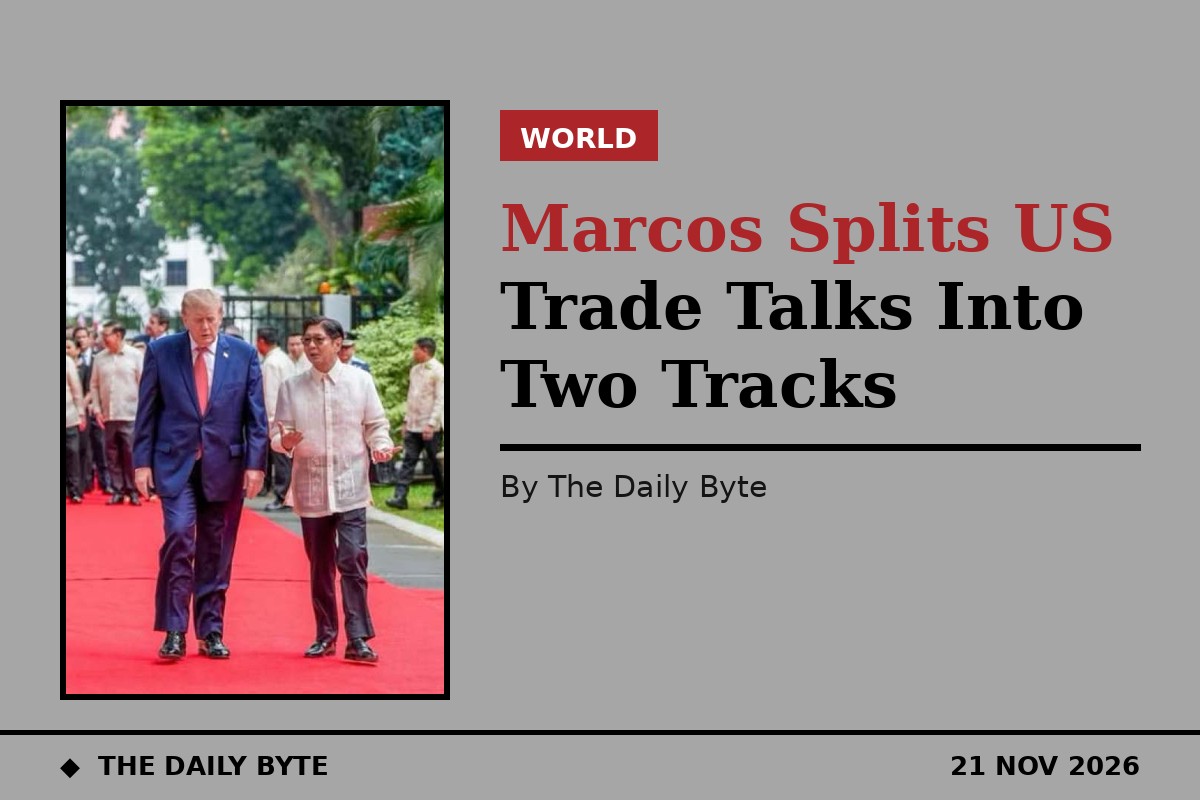
President Ferdinand Marcos Jr has said the Philippines is negotiating two separate trade arrangements with the United States, one dealing with tariffs on Philippine exports and another aimed at securing cheaper American food and energy supplies. He set out the distinction on Friday, 20 November, after returning from the Asia-Pacific Economic Cooperation summit in Shenzhen, China.
Marcos said the two initiatives serve different purposes and should not be confused with each other. The first is a response to tariff measures Washington sought to impose on Philippine goods. The second is a purchasing arrangement under which Manila would buy more American agricultural and energy products, with the aim of bringing down import costs and widening the country's sources of supply.
The tariff track
According to Marcos, the broader trade negotiations began after the United States proposed tariff measures affecting Philippine exports. He said those measures were later struck down by a court, and the episode paved the way for talks on strengthening bilateral trade. Manila wants the tariff negotiation concluded as soon as possible, he said, although no final terms or timetable have been disclosed.
"The trade deal is a response to the tariff schedule that the US tried to impose," Marcos said, adding that the government wants to conclude the negotiations "as soon as possible."
Protecting exporters from higher American tariffs is the central concern on this track. Philippine officials have not disclosed what concessions either side has offered, and the government has yet to publish a schedule for completing the deal.
Cheaper food and energy
The second track was discussed during Marcos's meeting with US President Donald Trump at Malacanang, where the two leaders held a luncheon. Marcos said Trump had opened up access to American food and energy supplies that had previously been restricted, and that Philippine cabinet secretaries began working on the arrangements immediately after the lunch.
"Essentially, what they developed, of course, the details still have to be worked out. But with the discussion with President Trump, if you want the takeaway there is that he opened American markets to the Philippines when it comes to energy and food," Marcos said.
Potential purchases include soybeans and wheat, which Marcos said could help diversify supplies disrupted by the Russia-Ukraine war. Rice was also raised in the discussions, although Marcos said he was uncertain whether the United States could supply the commodity in the volumes the Philippines needs.
On energy, Marcos said the government was looking for more affordable imported fuel to help ease price pressures feeding into domestic inflation. "We are looking for cheaper sources of food products. We are looking for cheaper sources for energy importation," he said.
What remains undecided
The benefits of the food and energy track will depend on prices, reliability of supply and the effect on Filipino farmers and food producers, who could be hurt if cheaper imports undercut local produce. That balance between protecting exporters on one track and protecting domestic producers on the other is the central tension in the two-track approach.
Trump earlier described the proposed arrangement as the biggest trade deal between the two countries, speaking during the luncheon at Malacanang. The Philippine government has not disclosed the final terms or an implementation schedule for either track, and cabinet officials are continuing to work on both.
Marcos also used his arrival statement to stress the need to keep markets open and supply chains resilient amid global economic uncertainty, a theme he had pressed during the APEC meetings in Shenzhen.


