Mexico Approves 2027 Budget With INE Funding Cut
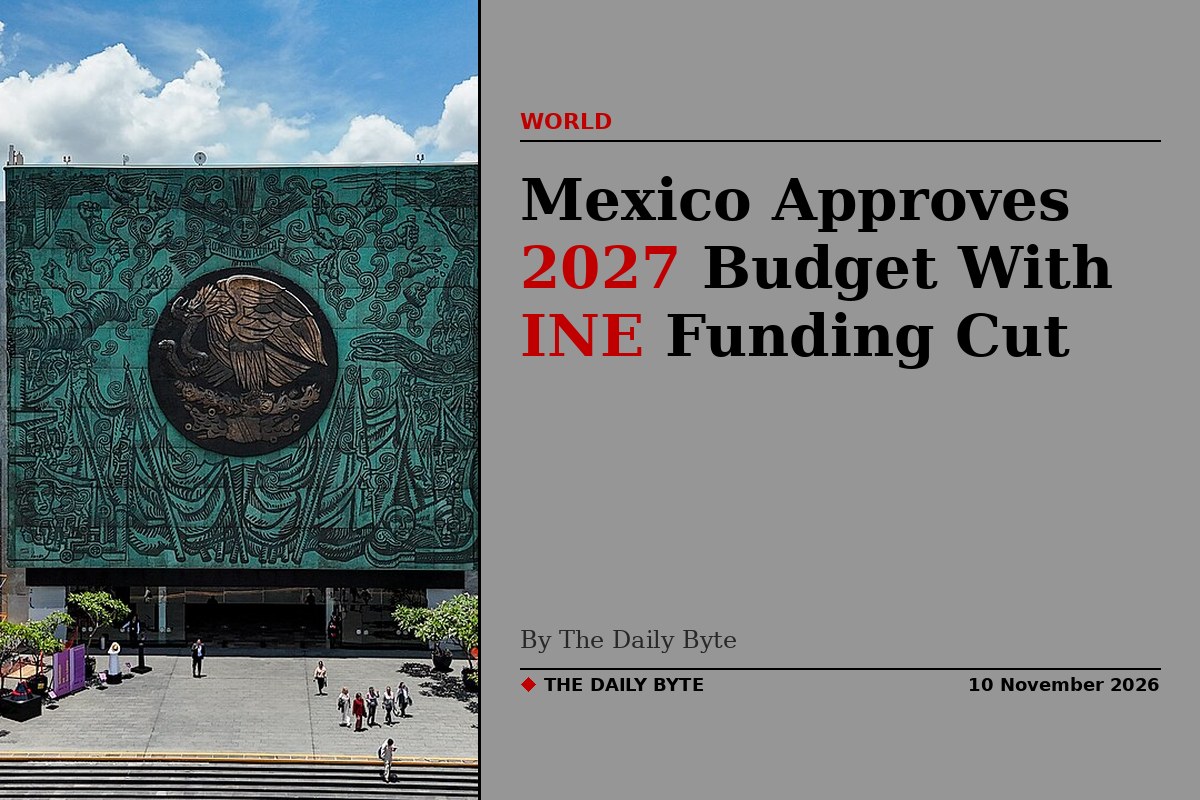
Mexico's Chamber of Deputies has approved the federal budget for 2027 in general terms, setting total net spending at 10.636 trillion pesos and cutting funding for the National Electoral Institute (INE) by 6 billion pesos. The vote took place on Sunday 9 November after about six hours of debate at San Lázaro, passing by 372 votes to 102.
The budget was backed by the governing Morena party together with the Green Party, the Labour Party and Citizens' Movement, while the PAN and PRI voted against it as a bloc. Debate on the individual provisions, with more than 1,100 amendments tabled, resumed on Tuesday 10 November, and lawmakers face a 15 November deadline for final approval.
Electoral institute loses 6 billion pesos
The most contested change is the cut to the INE, whose budget falls from 42 billion pesos in the government's proposal to 36 billion. The reduction comes in the year before the 2027 midterm elections, when the institute will have to organise votes for more than 20,000 public offices.
Opposition lawmakers described the cut as political punishment of the electoral authority. President Claudia Sheinbaum defended it, saying the budget originally requested by the institute "was inflated". The 6 billion pesos freed up have been redirected to programmes including La Escuela es Nuestra, the CENDI childcare centres, the National Search Commission, the environment ministry and women's programmes.
Debt payments at their highest since 1990
The spending plan also sets aside about 1.575 trillion pesos for interest payments on public debt, equivalent to roughly 15 per cent of the federal budget and about 4 per cent of gross domestic product. That is the highest debt-service burden since 1990, leaving less room for new public investment.
Critics of the budget say the heavy cost of servicing debt, combined with the cuts to the electoral body, will squeeze spending elsewhere. Supporters in the governing coalition say the plan protects social programmes and keeps the government's austerity commitments.
What happens next
With the budget approved in general terms, deputies are now working through the individual reservations one by one. Opposition parties have tabled hundreds of amendments aimed at restoring money to the electoral institute and to health services, and each will be debated and voted on in turn. If the remaining articles clear the chamber, the plan will move to the Senate before the 15 November deadline. The final text will determine how much money reaches health, education and infrastructure in 2027, and how the electoral institute manages a midterm year on a smaller budget.


