N0n Ransomware Claims GRAIL Cancer Test Firm
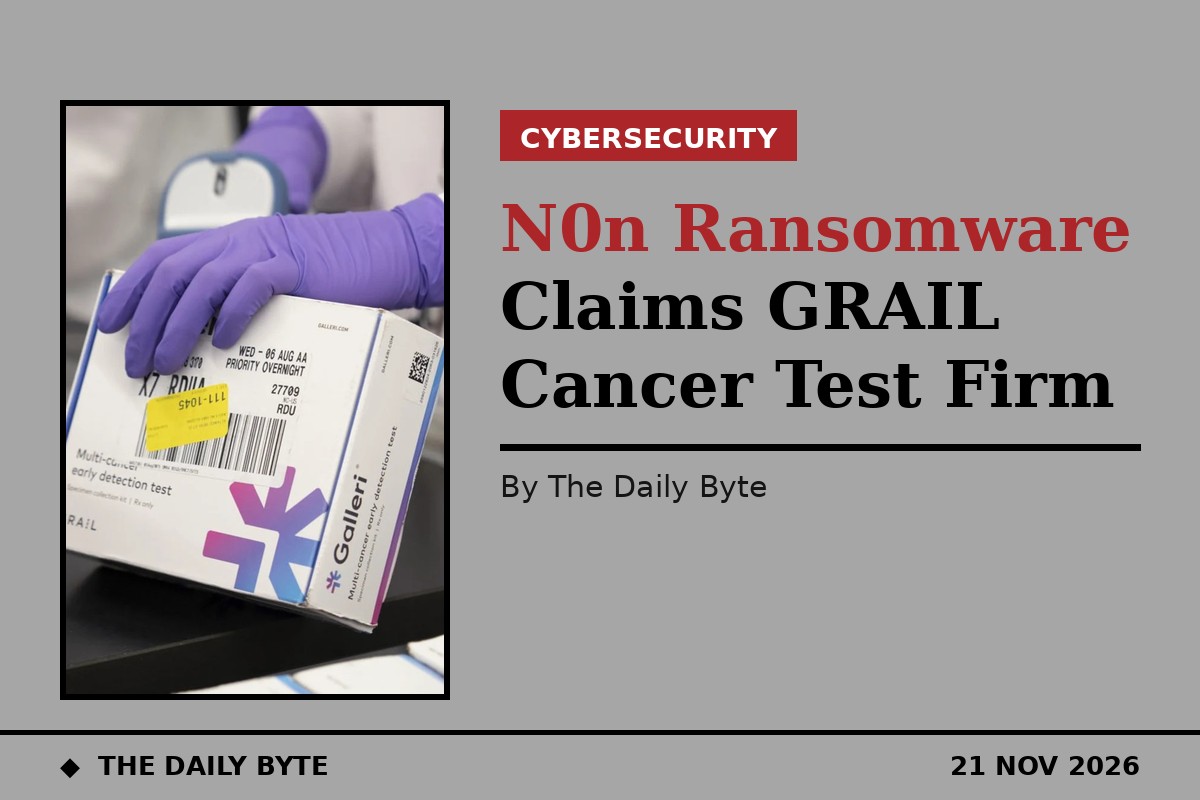
The ransomware and data-extortion group n0n has listed GRAIL, Inc., the American biotechnology company behind the Galleri multi-cancer early detection blood test, as a claimed victim on its leak site, according to threat intelligence monitoring published on 19 November. The listing is a claim by the group, not a confirmed breach: GRAIL has not publicly confirmed an incident, and no independently verified sample of stolen data has been reported.
ThreatMon’s Threat Intelligence Team reported the listing at 11:32 AM on 19 November. Trackers say the group first listed the victim anonymously as “Company #204” on 9 November, which is treated as the estimated date of the attack. Ransomware.live, which indexes leak-site postings, discovered the named GRAIL listing on 19 November.
What the group claims was taken
According to the tracker’s summary of the leak-site post, the claimed material includes 56,684 provider records containing National Provider Identifier numbers, names, telephone numbers, addresses and Medicare payment figures. It also includes customer relationship management contact records with personal and corporate email addresses, and customer identification records.
The threat-intelligence platform QPulse, reporting from the same tracker data, says the data remains exposed because the ransom demand was not paid. It describes the claimed exposure as provider and customer identification data. The ThreatMon report itself discloses no data sample, file count or volume, so the scale of the claimed theft rests on the trackers’ reading of the leak-site post rather than on published evidence.
Why GRAIL matters
GRAIL develops blood-based tests intended to detect cancer before symptoms appear, and is best known for Galleri, which uses DNA methylation sequencing and machine learning to screen for multiple cancers from a blood sample. A confirmed compromise at a company of that kind could raise concerns about research material, commercial agreements, employee records and potentially sensitive health-related information. None of those categories has been established as compromised in this case, and no patient-data exposure has been established.
The company has not issued a public statement confirming a security incident in the reporting seen, and no company notice, regulatory filing or consumer notification about the claim had been found as of 19 November, according to a breach-monitoring summary. The listing date is the date the group posted the claim; it is not an established date of unauthorised access or data theft.
The wider pattern
The same ThreatMon reporting also named Eli Lilly and Company as another newly claimed n0n victim on 19 November. The two listings appeared in the same reporting window and both organisations operate in the life-sciences sector, but they should be treated as separate, unverified claims rather than confirmation of successful intrusions. N0n is one of the most active extortion groups tracked, with 412 victims recorded in one threat-intelligence database.
A leak-site listing is the group’s own assertion, and groups sometimes exaggerate, recycle old data or claim victims they never breached. What would change the assessment is victim confirmation, a regulatory filing, or independently verified samples of the data. Until then, the GRAIL listing remains an unverified ransomware claim, and the advice for anyone connected to the company is to watch for phishing and monitor accounts, since provider contact details and Medicare payment figures are the kind of material used for identity theft and targeted fraud.


