Namibia Cuts Hake Quota 13% as Fish Stocks Fall
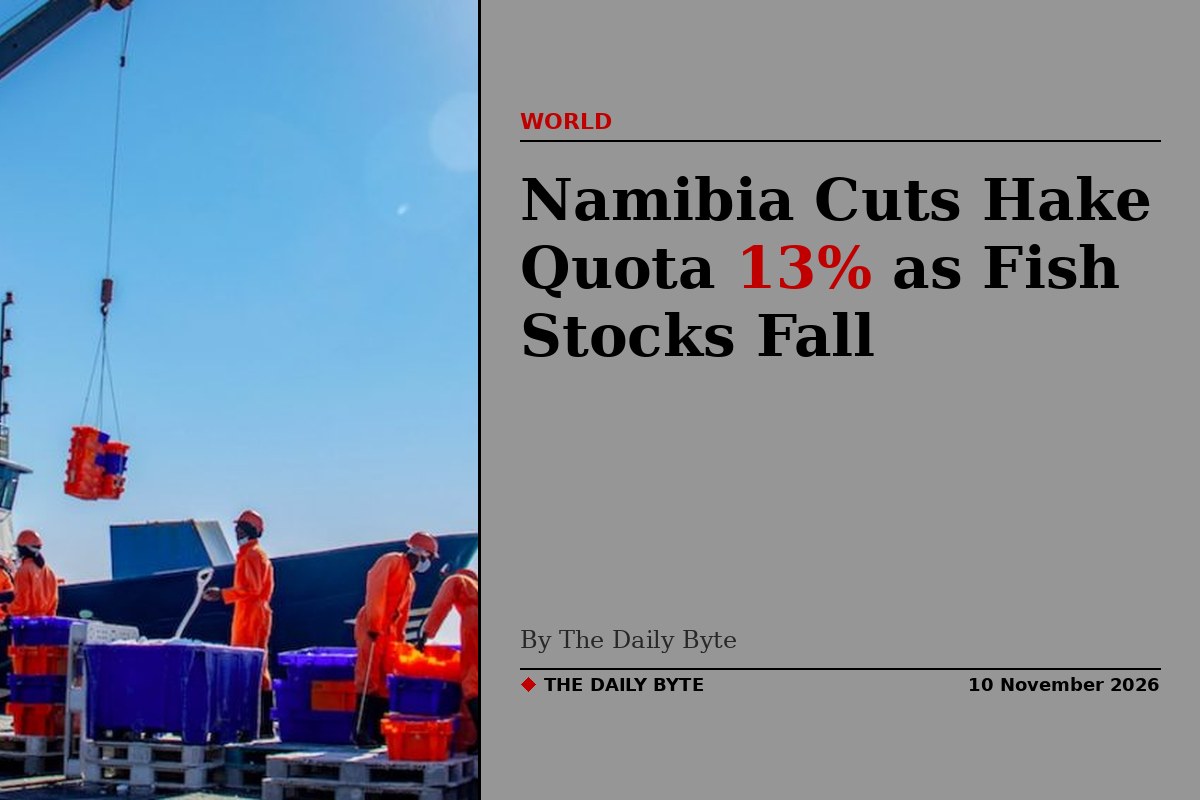
Namibia has cut the amount of hake its fishing fleet may catch in the 2026/27 season by about 13%, reducing the total allowable catch by 17,000 tonnes, from 133,000 tonnes to 116,000 tonnes.
The cut was announced on 6 November by Romeo Muyunda, spokesperson for the Ministry of Agriculture, Fisheries, Water and Land Reform. He said the decision followed scientific assessments showing that hake stocks are declining, and that a precautionary approach was needed to protect the long-term future of the fishery.
“This reduction comes against the backdrop of declining fish stocks, necessitating a precautionary approach to fisheries management to ensure the long-term sustainability of Namibia’s marine resources,” Muyunda said.
Jobs fear as catch falls
The smaller catch limit has raised concern in the fishing industry about jobs, particularly for sea-going crews and workers in land-based processing plants at Walvis Bay and Lüderitz, the country’s two main fishing ports. Hake is one of Namibia’s most important commercial fish, supporting fishing operations, processing work and exports.
The ministry said the cut reflected the challenge of balancing the industry’s economic contribution with the need to conserve the marine resources on which it depends. A lower allowable catch could affect fishing operators and businesses that rely on hake volumes, although the real economic effect will depend on how companies adjust to the reduced allocation.
Rock lobster unchanged
The total allowable catch for rock lobster will stay unchanged at 180 tonnes for the 2026/27 season, the ministry confirmed. Cabinet approved both limits, along with a revised national broadband policy, at meetings held in October.
Muyunda also said the ministry would consult the industry on its long-term goal of 100% wet-fish allocation, a policy aimed at keeping more of the economic benefit of Namibia’s marine resources inside the country by encouraging more fish to be landed and processed onshore, rather than frozen at sea.
What happens to fishing rights
Fishing right holders whose rights expire during the season will receive prorated quota allocations based on the time remaining on their rights, the ministry said. Any further allocations will depend on the outcome of the ongoing evaluation of fishing rights, which the ministry said had made substantial progress and was expected to be concluded and communicated to right holders before their rights expire.
The ministry also encouraged the industry to supply more fish to the domestic market, describing fish as an important alternative source of animal protein while the country deals with a foot-and-mouth disease outbreak and its possible effect on meat availability.
The hake season began on 1 November, and the new limit applies to the season now under way. Further details on individual allocations are expected as the rights evaluation process is completed.
Sources: Business Pulse 360 and Fresh FM.


