New Neutrino ransomware uses double extortion
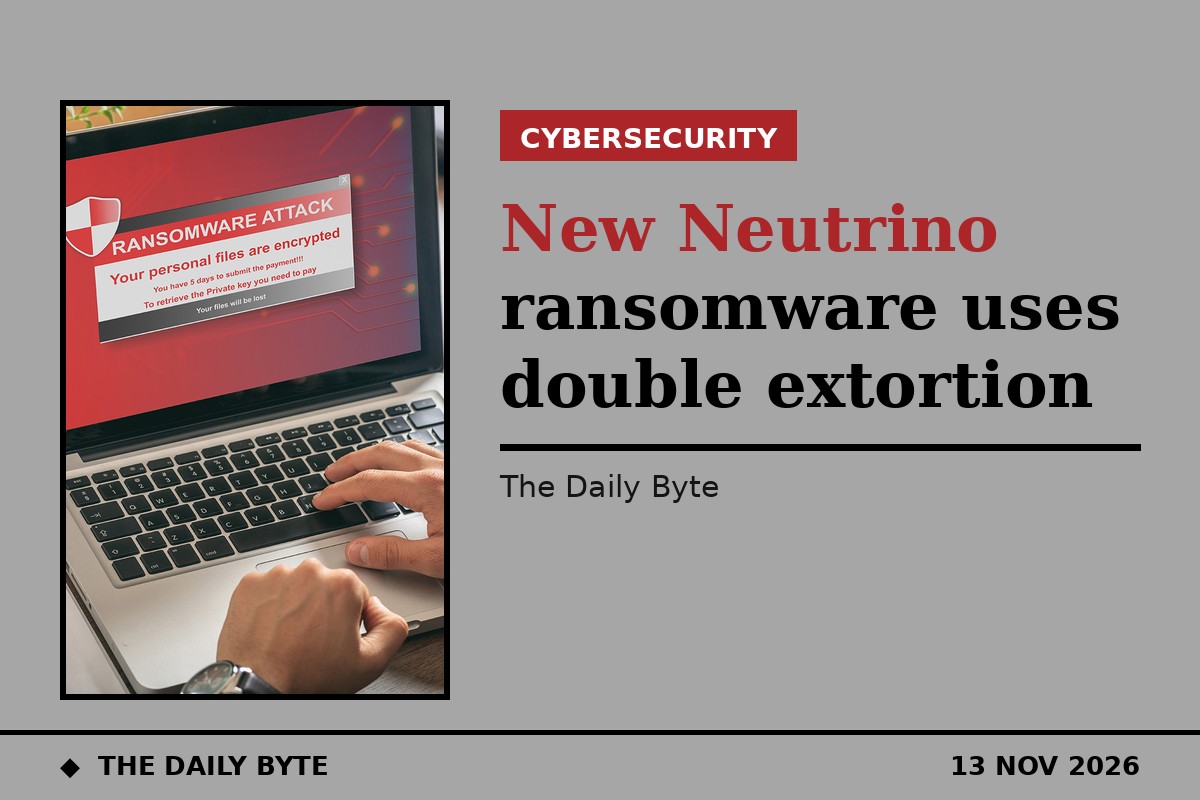
Security researchers have identified a new ransomware strain, Neutrino, that encrypts victims' files and threatens to leak stolen data unless a ransom is paid.
The malware was found by researchers at PCRisk while examining samples submitted to VirusTotal. It renames encrypted files to random strings with a .neutrino extension, so 1.jpg becomes something like 5xnraLY2.neutrino. It then drops a ransom note named README-RECOVERY.txt and changes the desktop wallpaper to an encryption warning.
The note claims the attackers breached the victim's network, encrypted all files and copied critical data to their own servers. It threatens to leak or sell the data if the victim does not pay by a deadline, and tells victims to contact the attackers through a Telegram bot. As a show of good faith, it offers to decrypt one file of less than 1MB free of charge.
Double extortion, no free decryptor
Neutrino follows the double-extortion model now standard in ransomware: encrypt the files, then use the threat of publishing stolen data as a second lever. How the attackers get in has not been established, although the ransom note points to network exploitation, and researchers say unpatched software, misconfigured remote services and brute-forced passwords are likely routes.
A sample submitted to VirusTotal on 4 November, reviewed by Gridinsoft, also tried to delete shadow copies and interfere with Windows recovery, making backups harder to use. No free decryption tool was listed for Neutrino by the No More Ransom project on 4 November, and the strain is unrelated to the older Neutrino exploit kit.
Victims are advised not to pay: payment does not guarantee decryption, and stolen data may still be leaked. The safest recovery is restoring from a clean backup kept offline, after the infected system has been isolated and cleaned.
Sources: PCrisk and Gridinsoft.


