Norway wealth fund ethics chief threatens to resign
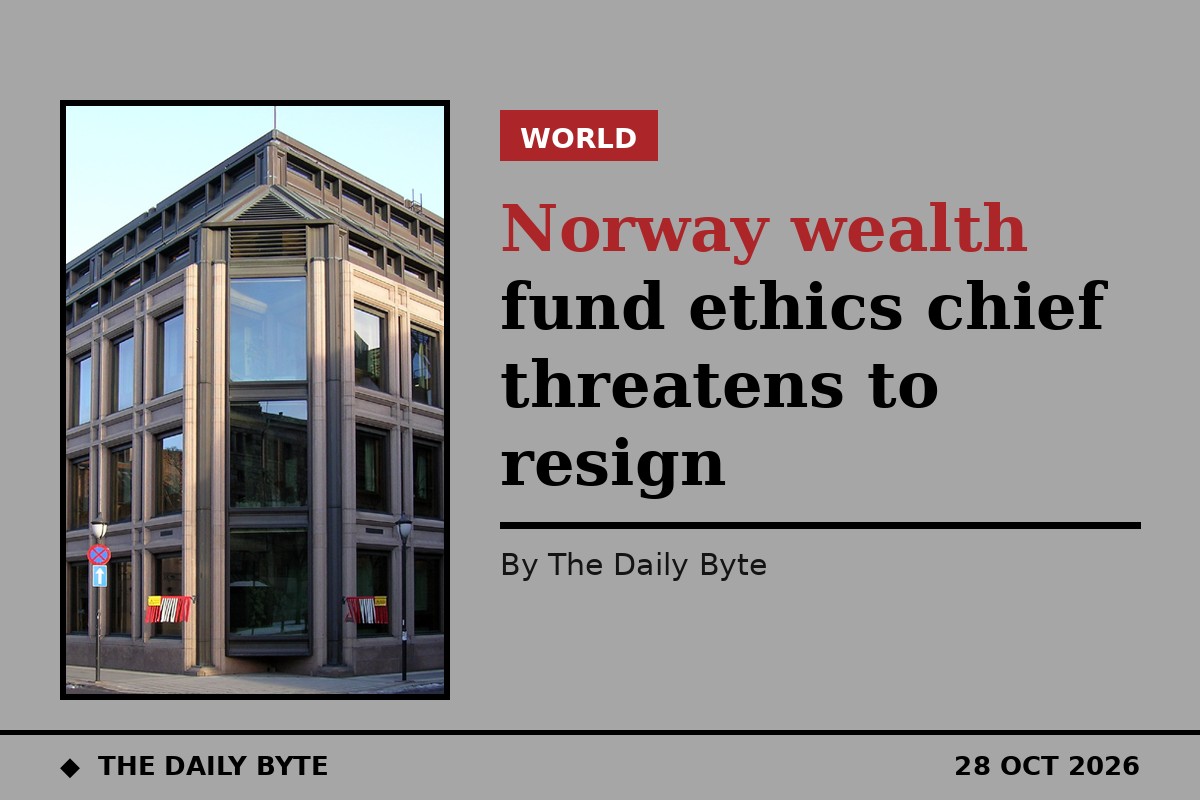
The leader of the independent ethics council for Norway's sovereign wealth fund has said he will resign if a proposal to curtail the watchdog's authority is implemented. Svein Richard Brandtzaeg wrote in a newspaper column on Wednesday that he would not remain in the role if what he called the fund's ethical flagship were turned into a toothless internal advisory group. His warning puts the future of one of the world's most closely watched ethical investment systems into open dispute.
What the proposal would change
The fund, worth about $2.3 trillion, is the world's largest sovereign investor, owning around 1.5 per cent of all globally listed shares through stakes in more than 7,000 companies. Its Council on Ethics, which advises the board of Norges Bank, currently recommends which companies should be excluded from the portfolio on ethical grounds. A government-appointed commission suggested this month that the council should no longer advise on a course of action, and should instead only provide analyses of ethical breaches by companies.
Why size has made the fund a target
The commission's leader said on 15 October that the fund's sheer size had made it more visible abroad at a time when the geopolitical situation is more fragmented, leaving it vulnerable to threats. That context matters because the fund's published exclusion recommendations, built on months or years of investigation, have long been a public source of information for other investors and civil society groups. Critics of the proposed change fear that weakening the council would reduce independent scrutiny of how the world's biggest investor uses its power.
Brandtzaeg has not resigned: his statement is conditional, tied to whether the proposal is implemented. The government must now decide whether to press ahead with a narrower role for the council or to preserve its power to recommend exclusions. The outcome will signal how Norway balances financial influence, political pressure and ethical accountability — and whether other large investors treat independent ethics advice as a safeguard worth keeping, or as a vulnerability to be managed away.
Sources: Reuters and Global Banking and Finance (Reuters report).