Met pilot finds drugs in one in eight school vapes
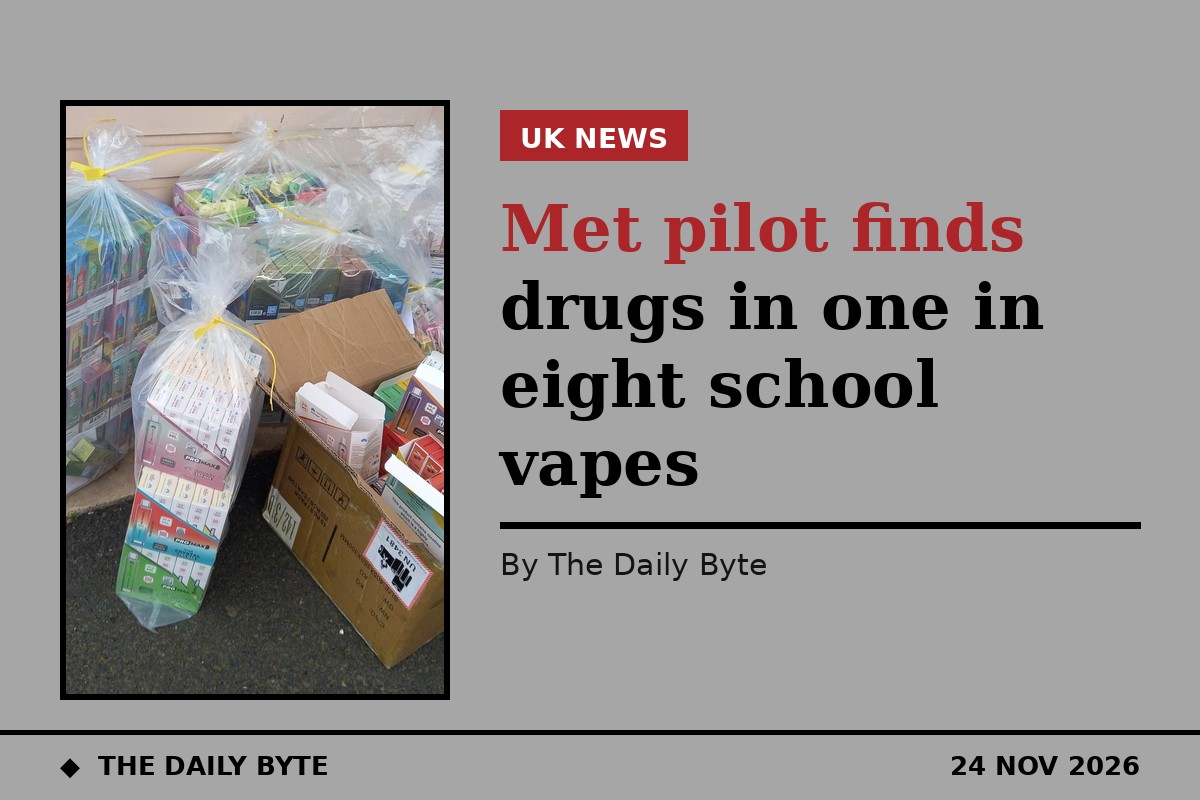
One in eight vapes seized from pupils at schools in south-west London contained illicit drugs, a Metropolitan Police pilot has found. Officers tested 32 vapes confiscated from pupils at four secondary schools using a portable detection device commissioned by the force, and found drugs including THC, the psychoactive compound in cannabis, and spice, a synthetic cannabinoid, in four of them. Three more devices have been sent for further laboratory testing because officers suspect they too contain illicit substances.
The pilot was launched after a growing number of incidents in which children became seriously unwell, and in some cases needed hospital treatment, after inhaling from vapes they believed were ordinary nicotine products or that had been shared by others. The Met said the findings exposed an emerging safeguarding risk in schools and colleges, with illicit vapes increasingly used as a discreet way of giving harmful substances to young people. Over the past year the force has received around 200 reports linked to spiking offences involving child victims, and officers say many involve young people becoming unexpectedly ill after using vaping products they believed to be safe.
How the testing works
The device used in the pilot is the only system of its kind currently operating in the UK. An officer plugs a vape into the portable kit, which extracts vapour for about 30 seconds and screens it for substances including THC and spice, flashing green when a device is clear or red when illicit substances are detected, with results in minutes rather than the weeks a laboratory test can take. The kit was designed by the University of Bath, and the Met hopes it could eventually be carried by officers across the capital. The same technology has also been deployed in London's night-time economy to help officers tackle drink and drug spiking in bars, clubs and entertainment venues.
A wider problem
The Met's findings echo earlier research. A study by the University of Bath previously found that up to a quarter of vapes confiscated from secondary schools in England contained spice. Deputy Assistant Commissioner Ben Russell, who is leading the force's work on spiking, said: “This pilot shows evidence of an emerging threat to children. Our testing has shown that dangerous and illicit substances are finding their way into vaping products being used by children and young people.” He added that children carrying dangerous substances in schools, whether knowingly or unknowingly, was concerning, and that the force was investing in new technology, developing new tactics and pursuing those responsible, while also working directly with young people to help them recognise the risks.
The dangers were underlined by a recent case in Kingston. In April, officers were called to a college after a 17-year-old student lost consciousness following the alleged use of a vape believed to be laced with drugs. A search that followed led officers to seize cannabis, a vape device and a bottle containing a pink liquid labelled “PEACHSILK, 5000MG THC”. Forensic analysis later confirmed that two vaping products contained a Class B controlled drug.
What happens next
The Met said it had significantly increased its focus on tackling spiking over the past year, combining enforcement with prevention and awareness campaigns. Positive outcomes for spiking offences have risen by 36 per cent, while reporting has also risen, which police believe reflects growing confidence among victims to come forward. Officers are working with schools, colleges, local authorities and safeguarding partners, and engaging directly with pupils to raise awareness of the dangers linked to vaping and spiking.
Police are urging anyone who believes they have been spiked to report it immediately, saying the first 12 to 24 hours are crucial because substances can leave the body quickly and important evidence may be lost. Russell said that while reports of spiking remained most common in the night-time economy, every report was taken seriously regardless of where it happened.