Halloween safety: Operation Moonbeam patrols return
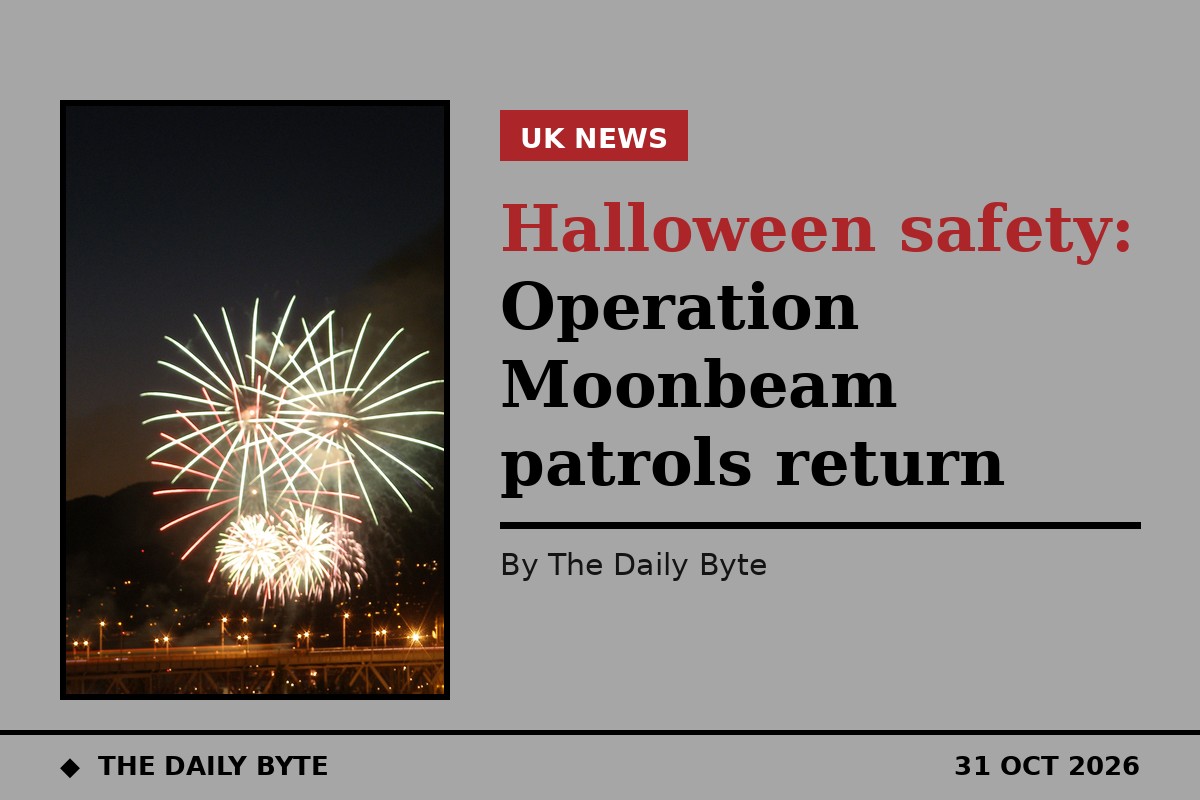
Police in Scotland have a dedicated public order response in place for the Halloween and Bonfire Night period, as communities across the UK prepare for one of the busiest weekends of the autumn. Operation Moonbeam 2026, now in its ninth year, gives local divisions access to specially trained officers to deal with violence and disorder through the weekend of 31 October and into the run-up to 5 November.
Why the operation exists
The operation began in 2017 after significant fireworks-related criminality in parts of Scotland. Since then, police say overall Bonfire Night disorder has fallen, although some areas have still seen unacceptable incidents, including fireworks and other projectiles aimed at emergency workers. In 2025, no officer injuries were reported, and emergency calls about fireworks offences fell by almost 37 per cent compared with the previous year. Twenty-four people were charged following last year's campaign.
This year, the same approach applies: local teams will work with partner agencies to reassure communities, encourage people to share information about planned disorder, and respond quickly where trouble emerges. Firework Control Zones and Dispersal Zones will be in place in some areas, and officers can issue dispersal orders requiring people to leave an area or face further action.
Advice for a safe weekend
Police elsewhere in the UK are giving similar advice for Saturday night. Forces are urging trick-or-treaters to respect households that do not want to take part, to keep costumes visible after dark, and to report anti-social behaviour on 101 — or 999 in an emergency. Damaging property, throwing objects at homes or vehicles, or intimidating others is not part of the celebration, officers stress.
The underlying message from police is consistent: Halloween and Bonfire Night should be enjoyable, and the extra patrols are there to protect both revellers and the emergency workers who keep the weekend safe. Anyone who sees fireworks being misused, or behaviour that puts others at risk, is asked to report it rather than confront those involved.
Sources: Police Scotland; Norfolk Police via Local Free News.