Pakistan launches first national strategy to end violence against children
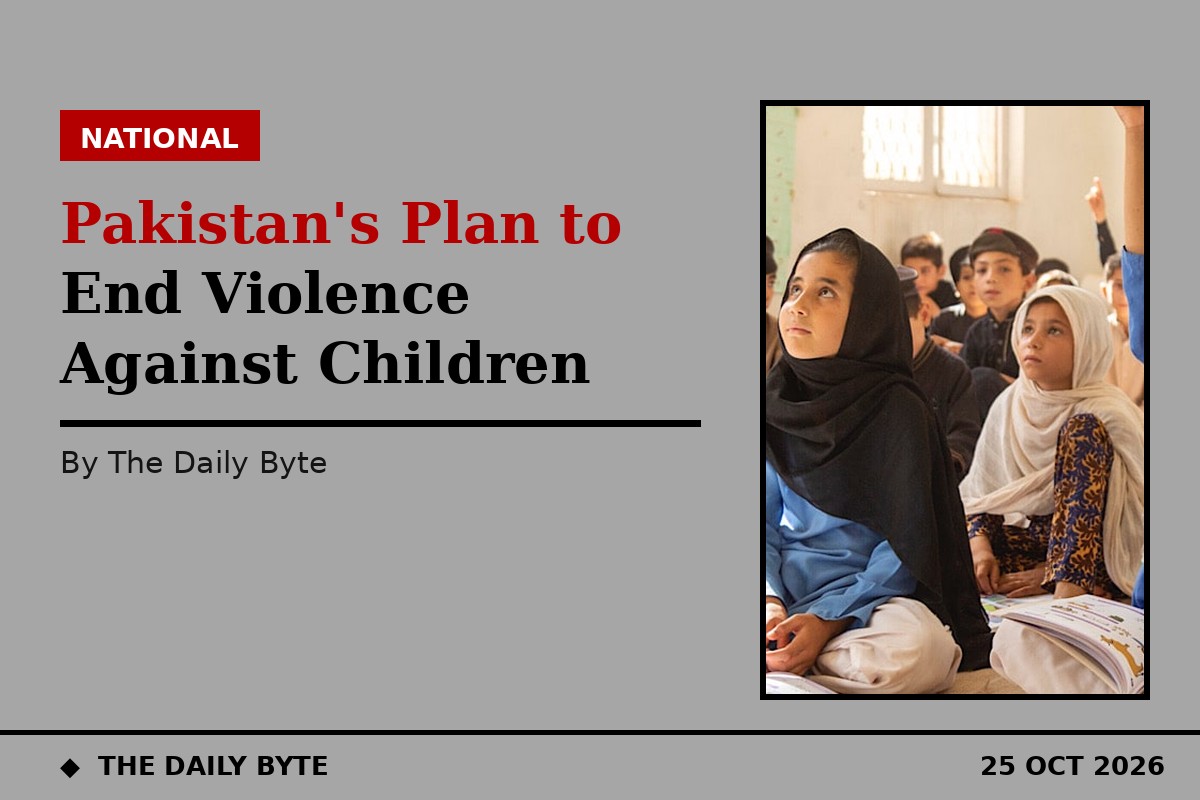
Pakistan has launched its first national strategy to end violence against children, a five-year plan running from 2026 to 2031 that aims to protect the country's 120 million children. The strategy was launched in Islamabad on 14 October by the Ministry of Human Rights together with the World Health Organization (WHO) and partners.
Stark figures behind the plan
According to the strategy, up to eight in ten children in Pakistan experience violent discipline. One in 16 children aged 12 to 17 who use the internet faces technology-facilitated exploitation or abuse. Around 840,000 children aged 10 to 17 have ever been married, 8.6 million children are engaged in child labour, and more than 57 percent of children under five are not registered with a civil authority, leaving them more vulnerable to violence and with limited access to protection and essential services.
One system, not separate problems
The strategy treats these harms as connected rather than separate. An unregistered child is harder to protect, a working child is easier to exploit, and a child married young is more likely to leave school early. It aims to strengthen prevention, protection, response, recovery, reintegration and justice through a single national system.
Parliamentary Secretary for Human Rights Saba Sadiq, who launched the strategy, said: "This strategy is not just a document; it is a commitment to protect our children and ensure their rights are upheld."
What happens next
The strategy was launched during a two-day consultation on 14 and 15 October involving more than 100 participants. It feeds into the Second Global Ministerial Conference on Ending Violence Against Children, to be held in Manila this November, and takes stock of pledges Pakistan made at the first conference in Bogota, Colombia, in 2024.
Sources: WHO Regional Office for the Eastern Mediterranean, ADN News