Pakistan takes over G-24 chair for developing nations
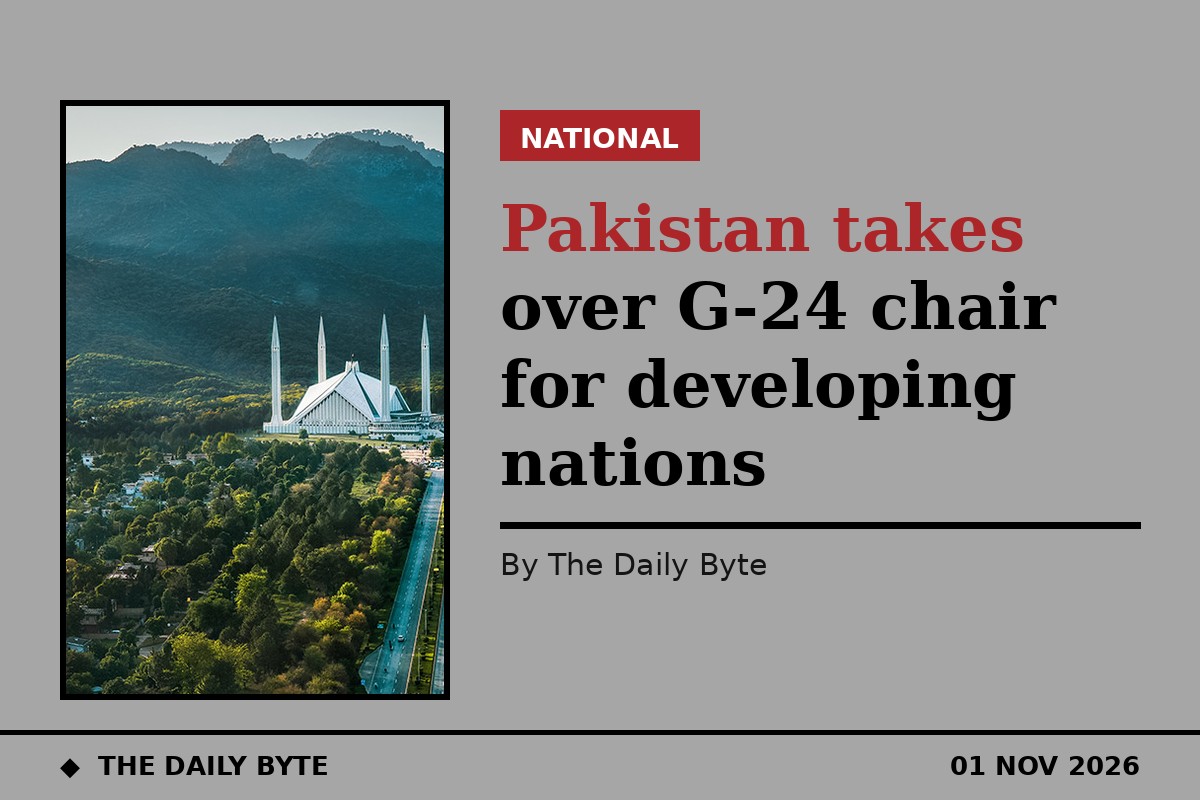
Pakistan formally assumed the chairmanship of the Intergovernmental Group of Twenty-Four (G-24) on Sunday 1 November 2026, taking over from Nigeria. Federal Minister for Finance and Revenue Senator Muhammad Aurangzeb described the chairmanship as a profound responsibility and called for renewed international cooperation, stronger multilateral institutions and reinforced commitments to tackle climate shocks, development financing gaps and global economic fragmentation.
Aurangzeb set out three priorities for the chair year: putting development at the centre of global economic policymaking, strengthening multilateral frameworks, and promoting an international financial architecture that better supports developing economies. He said Pakistan would advocate fairer governance and meaningful participation in decision-making at the International Monetary Fund and the World Bank, and that the chairmanship would be guided by consultation, consensus and collective advocacy with members across Africa, Asia, Latin America and the Caribbean.
A milestone, in the government's words
Prime Minister Muhammad Shehbaz Sharif called the handover a significant diplomatic milestone, saying it recognised Pakistan's role on the global economic stage and would give the country a platform to press for reform of the international financial architecture, equitable climate finance and sustainable development opportunities for emerging economies. He credited Aurangzeb and the finance ministry team for their diplomacy during the IMF and World Bank annual meetings.
What the G-24 is
The G-24 was established in 1971 to coordinate developing countries' positions on international monetary and development finance issues at the IMF and the World Bank. It brings together 24 developing nations, represented through their finance ministries and central banks. One reporting note: the group's own published Bureau roster had not yet been updated to reflect the handover at the time of the finance ministry's announcement, so the chair year will be judged by the meetings and communiques that follow, not by the announcement alone.