Pakistan urges UN rules for AI at sea to protect shipping
The appeal
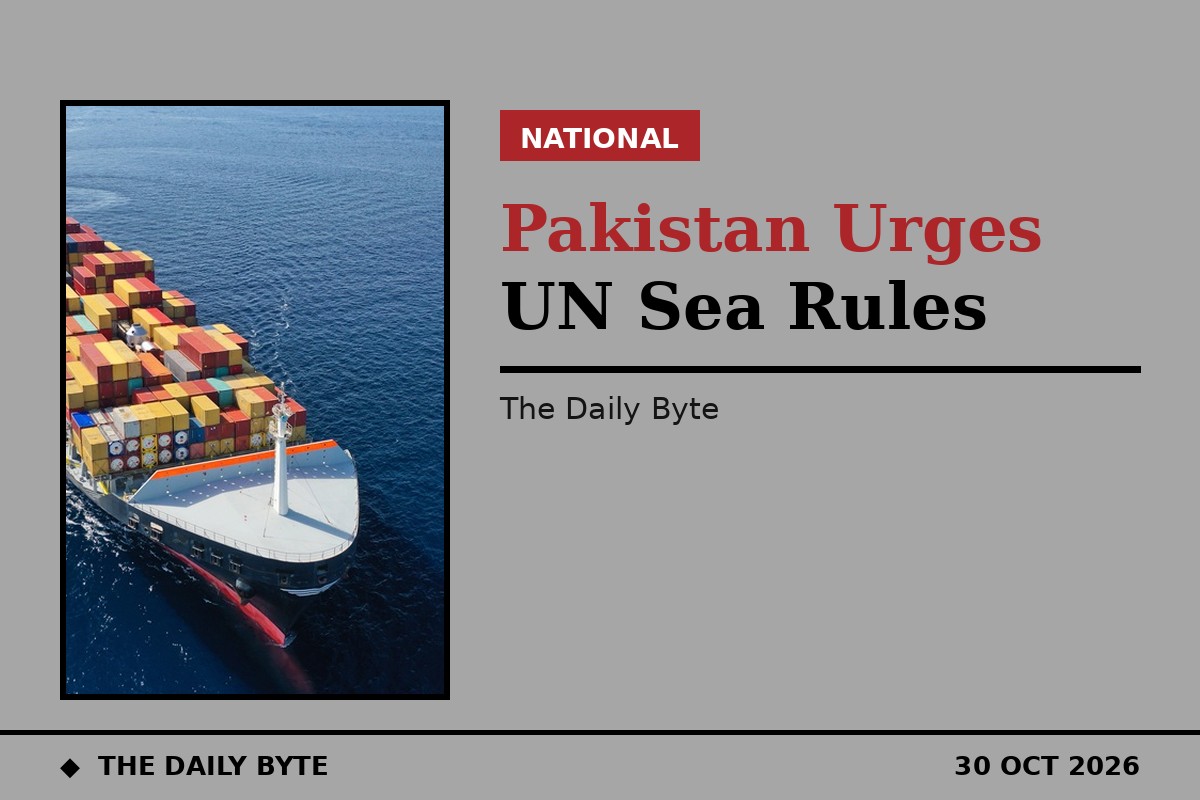
Pakistan has called for a universal, United Nations-backed framework to govern emerging technologies at sea, warning that rapid advances in artificial intelligence and unmanned systems are creating new risks for merchant shipping and global trade.
The appeal was made by Ambassador Usman Jadoon, Pakistan's Acting Permanent Representative to the United Nations, during a high-level Security Council debate on 29 October on emerging technologies and maritime security. Greece, which holds the Council presidency for October, convened the debate.
A warning about drones and choke points
Jadoon argued that drone swarms and loitering munitions are now more widely available, increasing the ability of state and non-state actors to threaten ships and critical marine infrastructure. He said instability in corridors such as the Strait of Hormuz and the Bab-al-Mandab can quickly turn into wider energy and food shocks, hitting developing economies hardest.
Pakistan, as a coastal state heavily dependent on seaborne trade, said safe passage and the protection of marine infrastructure must remain a priority, and that shipping must not become a casualty of geopolitical confrontation.
Law of the sea and the Houthi attacks
The ambassador reaffirmed the United Nations Convention on the Law of the Sea (UNCLOS) as the cornerstone of the international maritime order, and called for a legally grounded, cooperative approach to guaranteeing safe passage.
Pakistan also condemned Houthi attacks on merchant shipping and seafarers in the Bab-al-Mandab, describing them as a threat to maritime security and regional development, and reaffirmed support for Saudi Arabia's sovereignty and territorial integrity. The UN Secretariat's opening remarks to the same debate noted that emerging technologies bring both new risks and new opportunities for maritime safety.