Philippines and Canada Conclude Free Trade Talks
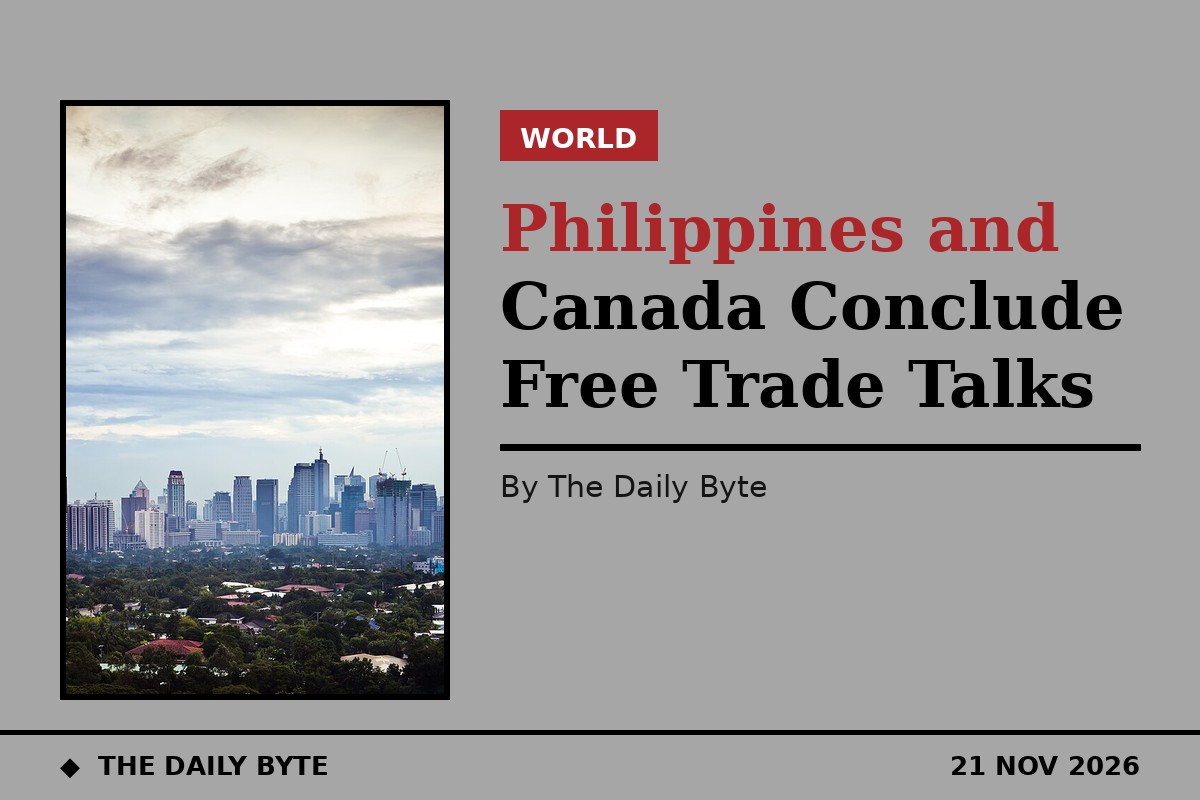
The Philippines and Canada have concluded negotiations on a free trade agreement, settling the text during the 49th ASEAN Summit in Manila and committing to sign the deal in 2027.
The two countries concluded their talks on 14 November, and their leaders signed a joint statement committing to sign the agreement next year. Canadian Prime Minister Mark Carney said Ottawa aims to bring the deal into force in 2027. The agreement is expected to cover more than 90 per cent of tariff lines, and Ottawa projects that bilateral trade could roughly triple over the next decade, to more than 10 billion dollars a year by 2035.
Canada sells the Philippines mineral ores, meat, cereals and fertiliser, and buys cooking oils, leather and rubber goods. Canada's meat council welcomed the conclusion of the talks as good news for its pork industry, while Philippine hog raisers are the likeliest to face new import competition if pork tariffs fall. That will turn on the tariff schedule and the phase-in period.
ASEAN-Canada talks also conclude
ASEAN and Canada also announced the substantial conclusion of their own free trade talks, with signing aimed at 2027. The deal would be ASEAN's first free trade agreement with a North American partner. Concluded means the text is settled; it does not mean any tariff has changed yet.
Energy cooperation also moved forward at the summit. President Ferdinand Marcos Jr announced that the proposed undersea power cable linking Sabah in Malaysia with Mindanao in the Philippines is moving into its active implementation phase. All ASEAN member states signed an enhanced memorandum of understanding on the ASEAN Power Grid, which is intended to strengthen the framework for cross-border electricity cooperation across the region.
What the summit did not settle
The summit closed on 17 November, with the Philippines handing the ASEAN chairmanship to Singapore, which takes over on 1 January 2027. President Marcos called the year a success and cited more than 100 outcome documents, though they carry very different weight: a signed agreement binds governments, while a declaration states intent and a concept note describes something that does not yet exist.
The one region-wide agreement signed at the summit was the ASEAN Digital Economy Framework Agreement, signed by ASEAN economic ministers on 14 November. It sets common rules for digital trade and payments, cross-border data flows and cybersecurity, and is expected to take effect in early 2027. The upgraded ASEAN-China free trade protocol, signed in October 2025, takes effect on 1 December 2026.
ASEAN and China did not conclude the South China Sea Code of Conduct. About 80 per cent of the draft text is provisionally agreed, according to the Philippines' foreign secretary, and President Marcos estimated the negotiations were 85 to 90 per cent complete, but the two sides remain divided on geographic scope, key definitions and whether the code will be legally binding. Singapore inherits the talks. Leaders also adopted a declaration on fair recruitment of migrant workers on 15 November, covering about 600,000 Filipino workers in ASEAN states, and the Philippines and Australia signed an updated defence cooperation arrangement the same day.


