PM Shehbaz sets up panel to review LPG reforms
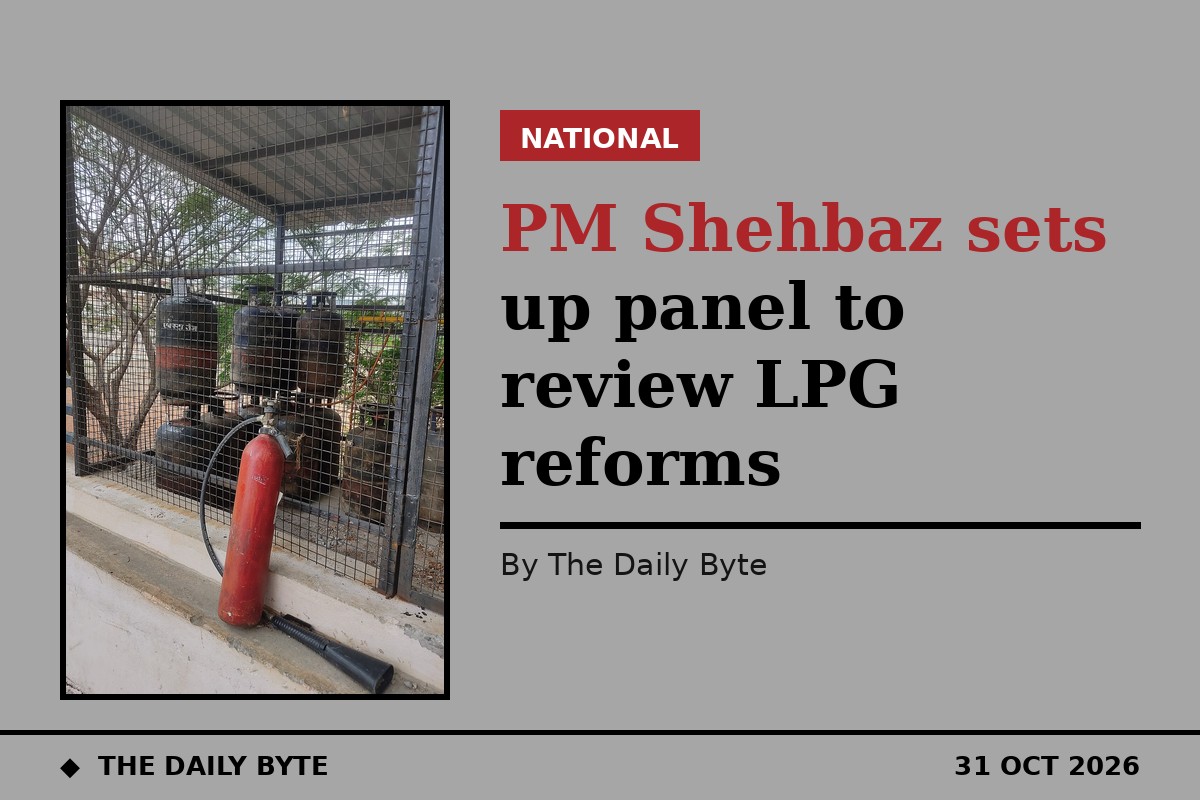
Prime Minister Shehbaz Sharif has formed an eight-member ministerial committee to review proposed reforms for Pakistan's liquefied petroleum gas (LPG) sector, after marketing companies and dealers protested that they had not been properly consulted. The panel, led by the petroleum minister, includes cabinet ministers, advisers and energy officials.
It has one month to examine the reform package, cylinder standards and the local LPG framework, then submit a report to the prime minister. The review comes as households face sharply higher market prices, with reports putting an 11.57kg cylinder at Rs6,000 to Rs7,200, against the regulator's benchmark of Rs3,296.
What the proposed reforms would change
A Petroleum Division cabinet summary outlines major structural changes. State-owned enterprises, including PSO, the Sui companies, PARCO and Pakistan LNG, would enter the LPG import market, with monthly pricing on an import-parity model linked to Saudi Aramco rates and actual import costs. The Oil and Gas Regulatory Authority would stop issuing monthly price notifications, with the state enterprises taking over price-setting from 1 November.
The proposal also allocates 10 percent of domestic production to state marketers for remote areas such as Gilgit-Baltistan, with the remaining 90 percent auctioned monthly to prequalified bottlers. Margins for marketing and importing firms would rise from Rs35,000 to at least Rs50,000 per tonne as an inflation adjustment.
Industry concerns and next steps
Stakeholders have rejected the revised pricing formula and questioned moving pricing authority from the regulator to commercial state-owned entities. The committee gives the government a month to hear those concerns before the framework is finalised. Until it reports and the cabinet decides, the proposals remain proposals, and the gap between official benchmarks and shop prices remains the clearest measure of the problem.