SAS inquiry photos 'essential evidence' of war crimes
An inquiry into alleged killings by British special forces in Afghanistan has released photographs described as “essential evidence” of possible war crimes, showing people lying in bed with gunshot wounds to the head.
The Independent Inquiry Relating to Afghanistan published the images from two SAS operations in Helmand province in February 2011. Seventeen people were killed across the two operations, and the youngest of those killed in each operation were aged 15 and 14 respectively.
People lying in bed with shots to the head
For the first time, the inquiry has made public photographs taken of the dead across the two operations. They show multiple individuals lying in bed with what appear to be shots to the head, their heads resting on pillows with blood pooling around them. One person was tucked under a floral blanket, and blood spatter is visible low on the wall in one of the images, consistent with someone being shot while lying down.
The inquiry’s lead barrister, Oliver Glasgow KC, told the hearing that the photographs may be evidence of possible war crimes and were worthy of expert interrogation. He said further analysis may be able to confirm whether the people in the photographs were shot while asleep, and that the images appeared to contradict the accounts given by the SAS.
Official special forces accounts of the incidents claim Taliban fighters opened fire on troops as they entered the compounds, forcing the SAS to return fire. But weapons experts consulted by the BBC said the pattern suggested those killed were lying down, rather than taking part in a firefight.
Investigator admits photographs were never examined
Lieutenant Colonel John Harvey, who was the senior investigating officer in charge of the military police murder investigation, told the inquiry the photographs “didn’t seem right” and “cried out for examination” — but he conceded they were never sent to experts for further investigation.
Mr Harvey was Gold commander of Operation Northmoor between 2016 and 2019. The £10 million Royal Military Police investigation was set up in 2014 to examine allegations of executions by special forces, including of children, and resulted in no prosecutions.
Despite repeated requests from police investigators to submit the photographs for further testing, this never took place. Mr Glasgow suggested the failure had “deprived all parties of potentially valuable information” that might have cleared special forces of any wrongdoing. Mr Harvey agreed, adding that the only reason people would not want photographs examined was that “they don’t want the answers to come out”.
The inquiry also heard that investigators were still in Afghanistan in July 2019 gathering evidence as senior officers prepared to close the murder investigation and inform ministers. The photographs are now being subjected to expert forensic analysis by the inquiry.
What the inquiry is examining
The public inquiry was established in 2022 after BBC Panorama reporting linked one SAS squadron to 54 suspicious deaths during a six-month tour of Helmand province. It is examining allegations that the SAS murdered unarmed civilians and detainees on night raids between 2010 and 2013 and planted weapons to cover up the killings.
The inquiry has also heard evidence that calls into question whether alleged war crimes were thoroughly investigated. One member of the Afghan partner unit that served alongside the SAS told military police he had personally witnessed a British soldier planting a rifle on an unarmed person after they had been killed.
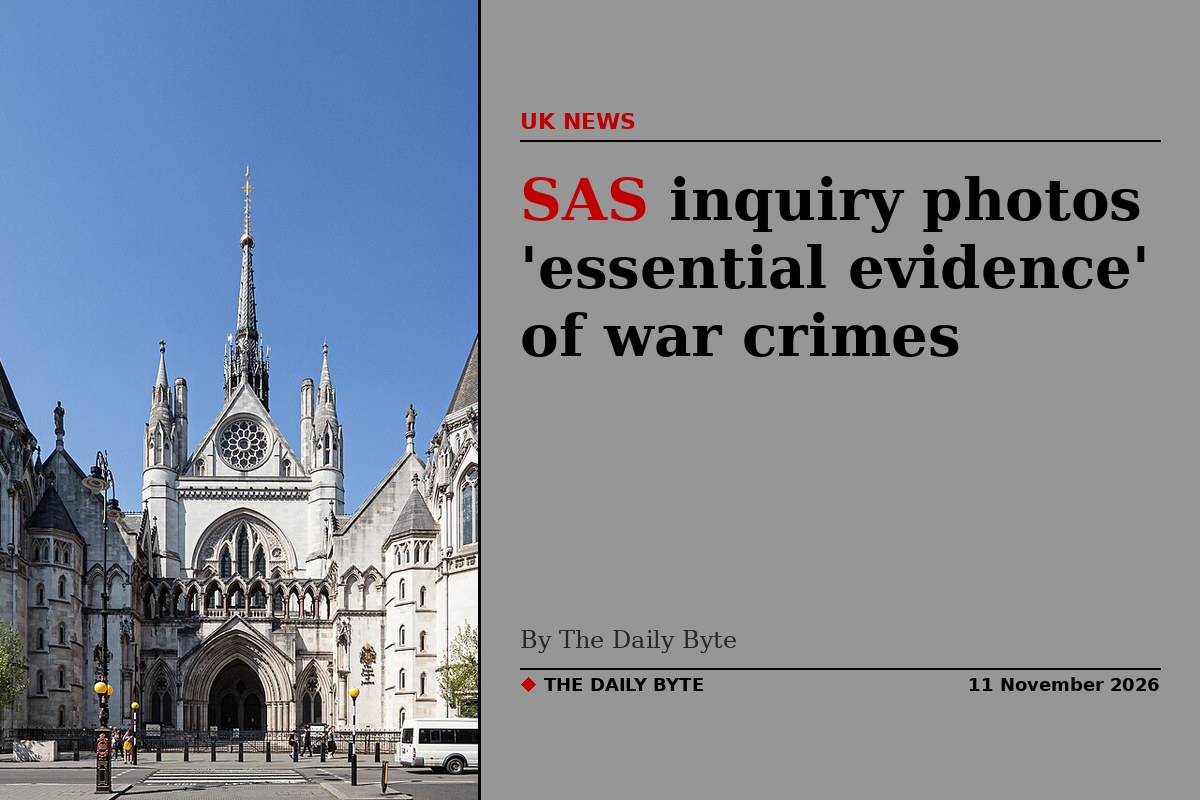
The inquiry, chaired by Lord Justice Sir Charles Haddon-Cave, is hearing evidence at the Royal Courts of Justice in London. The allegations remain unproven and no findings have been made against any individual soldier.


