Search begins for England's first Men's Health Ambassador
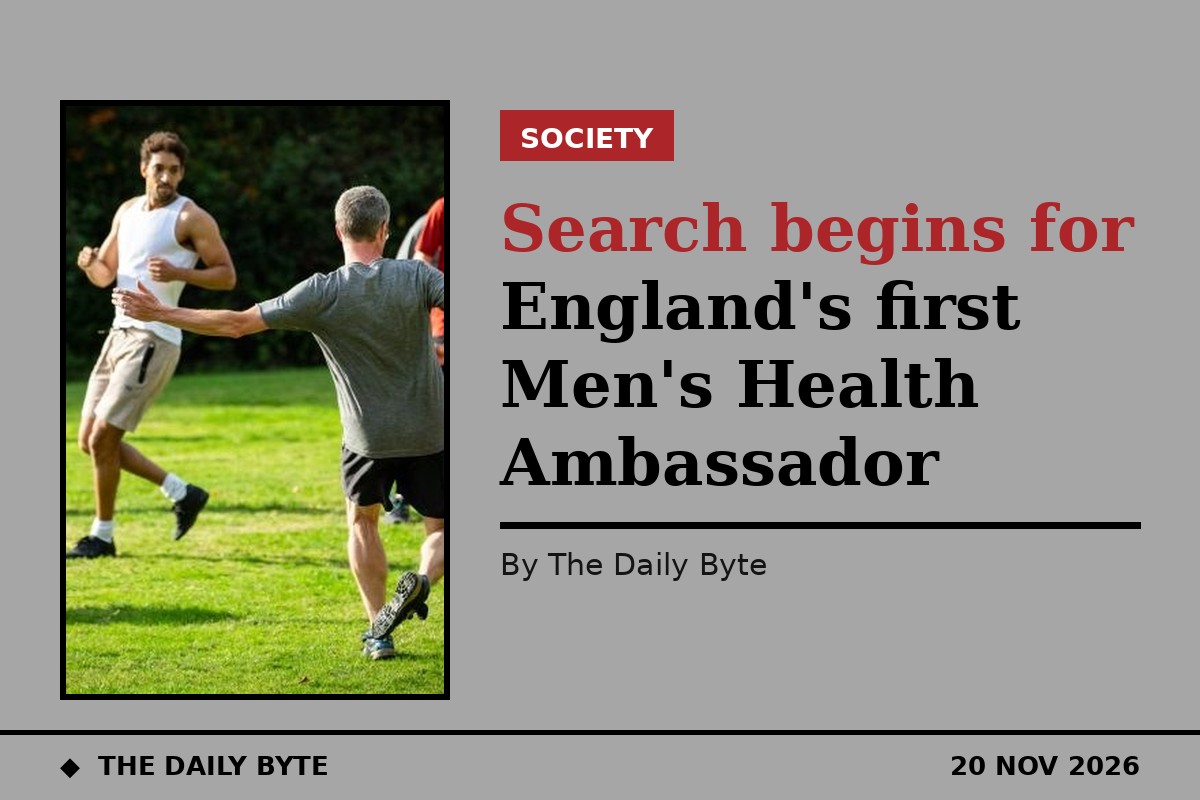
The government has launched the search for England's first Men's Health Ambassador, to coincide with International Men's Day on 19 November.
The ambassador will be a national voice for men's physical and mental health, championing services that make it easier for men to get help close to home, at work and in their communities. The announcement was made by the Department of Health and Social Care alongside new guidance to help local leaders fit services around men's lives, for example by offering health appointments that work around shifts and family or caring duties.
Why the role is being created
Ministers say the need for more action on men's health remains stark. In 2025, 35 per cent of all deaths among men in England were before the age of 75. Men in England's most deprived areas can expect to die more than 10 years earlier, with more than 19 fewer healthy years, than those in the least deprived areas.
Health Minister James Frith said: "Men's health is suffering and further action is needed to improve the physical health and mental wellbeing of those who may not always seek the help they need. That is why today, on International Men's Day, I can confirm plans to appoint a new Men's Health Ambassador who will help men live healthier and happier lives."
Jake Richards, the country's first Minister for Men and Boys, said many men had suffered in silence for too long, and that the consequences were felt not only by the men themselves but by their families and communities. He said he was determined to drive work across government so men's health gets the attention it needs.
Suicide prevention funding
Around three in four deaths by suicide are among men, and suicide remains one of the leading causes of death among men under 50. Applications will shortly open for grants under the Suicide Prevention Pathfinders programme, which will provide up to £3.6 million to strengthen the connections between support services in areas where middle-aged men face the highest risk.
The Department of Health and Social Care is also partnered with the Premier League on its Together Against Suicide initiative with Samaritans. This season the programme expanded to all 20 Premier League clubs, with more than 3,000 league and club staff receiving suicide prevention training and millions of fans seeing the alerts and support advertised during two weeks in September.
Other initiatives include Staying Safe from Suicide training, which 25,000 health practitioners had passed by September.
Julie Bentley, chief executive of Samaritans, said men had been at the highest risk of suicide for decades and tackling it must be a national priority. She said there was a misconception that men simply need to talk, adding that when men do open up they can be met with stigma and shame and feel unheard, and that it was not enough to encourage men to speak out — services must also make sure they are listened to and receive support.
One year on from the strategy
The announcement marks one year since the launch of the Men's Health Strategy for England. Since then, the government says it has launched the Men's Health Community Fund, in partnership with Movember and the People's Health Trust and backed by up to £6.3 million, to test new ways of reaching men often missed by traditional services.
A three-year, £93.3 million gambling-harm prevention programme is under way, with almost £40 million in grants over two years allocated to 40 voluntary organisations. Guidance on father-inclusive practices has been provided to all 153 local authorities, and the HomeTest programme lets men already on prostate cancer active monitoring pathways order and complete PSA blood tests at home.
The National Institute for Health and Care Research committed £18.3 million directly for new research projects into men's health in 2025 to 2026, with a further £8.5 million invested through its infrastructure.
Sources: GOV.UK; Healthcare Management UK.