Sri Lanka Moves to Ban Cluster Munitions
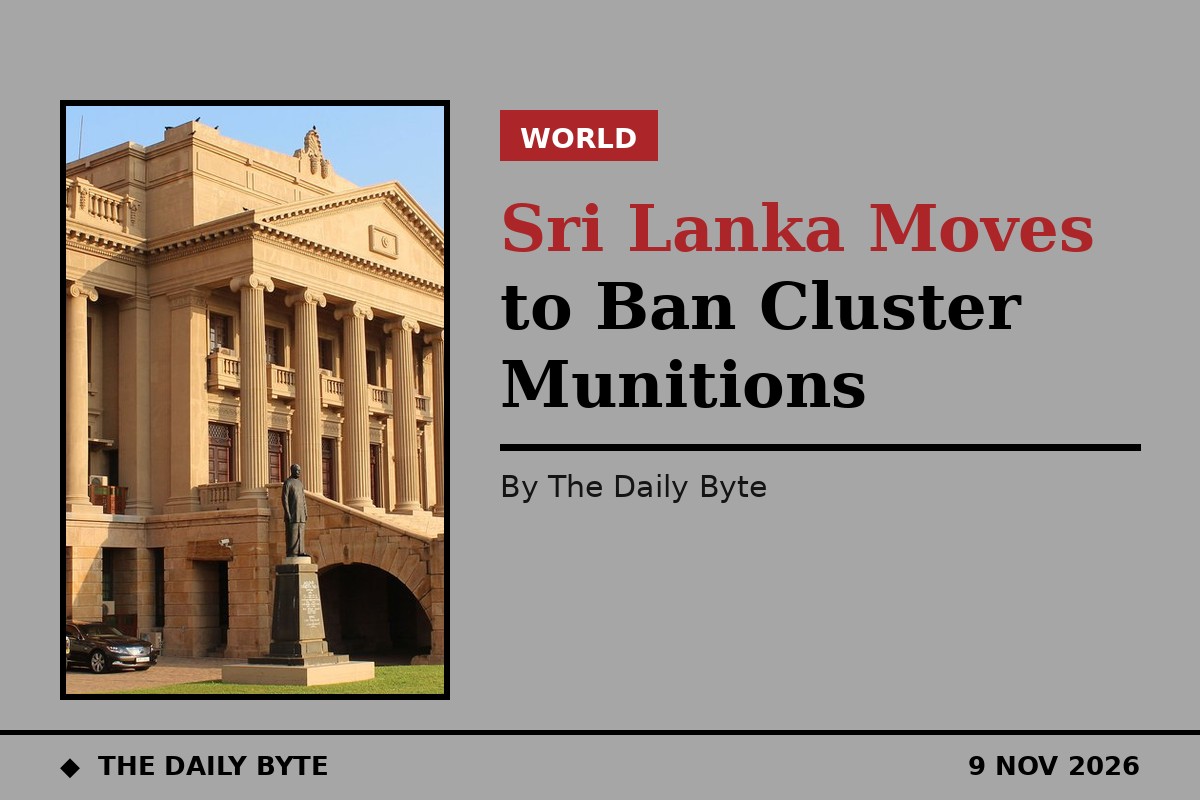
Sri Lanka's Cabinet has approved the drafting of a bill that would ban cluster munitions outright, taking the country a step closer to writing the 2008 Convention on Cluster Munitions into domestic law.
The Cabinet granted policy approval for the Cluster Munitions Prohibition Bill at its meeting on 2 November, according to the Cabinet Office's published decisions and reports from Colombo. The Legal Draftsman's department will now prepare the final text, which must then pass through Parliament before it can become law. Daily FC reported the approval on 9 November, and Lanka Newspapers carried the same decision on 3 November.
What the treaty bans
The Convention on Cluster Munitions, also known as the Oslo Convention, prohibits the use, production, stockpiling and transfer of cluster munitions. The weapons scatter smaller bomblets over a wide area and leave unexploded ordnance behind, which can kill and maim civilians long after a conflict ends. More than 100 states have joined the treaty since it was adopted in Dublin in 2008.
A long road to domestic law
Sri Lanka signed the Convention on 28 February 2018, and the Cabinet first approved drafting the legislation needed to give effect to it on 19 March 2019. A preliminary bill prepared by the Legal Draftsman has since gone through several rounds of amendment, and the latest approval covers further changes identified since the last review.
The government has consistently said its security forces never used cluster munitions during the civil conflict and never will. Once the final bill is drafted it will go before Parliament for scrutiny, marking a significant milestone in Sri Lanka's disarmament commitments and its standing as a party to the Convention.