Sri Lanka court clears cricket reform bill, two clauses
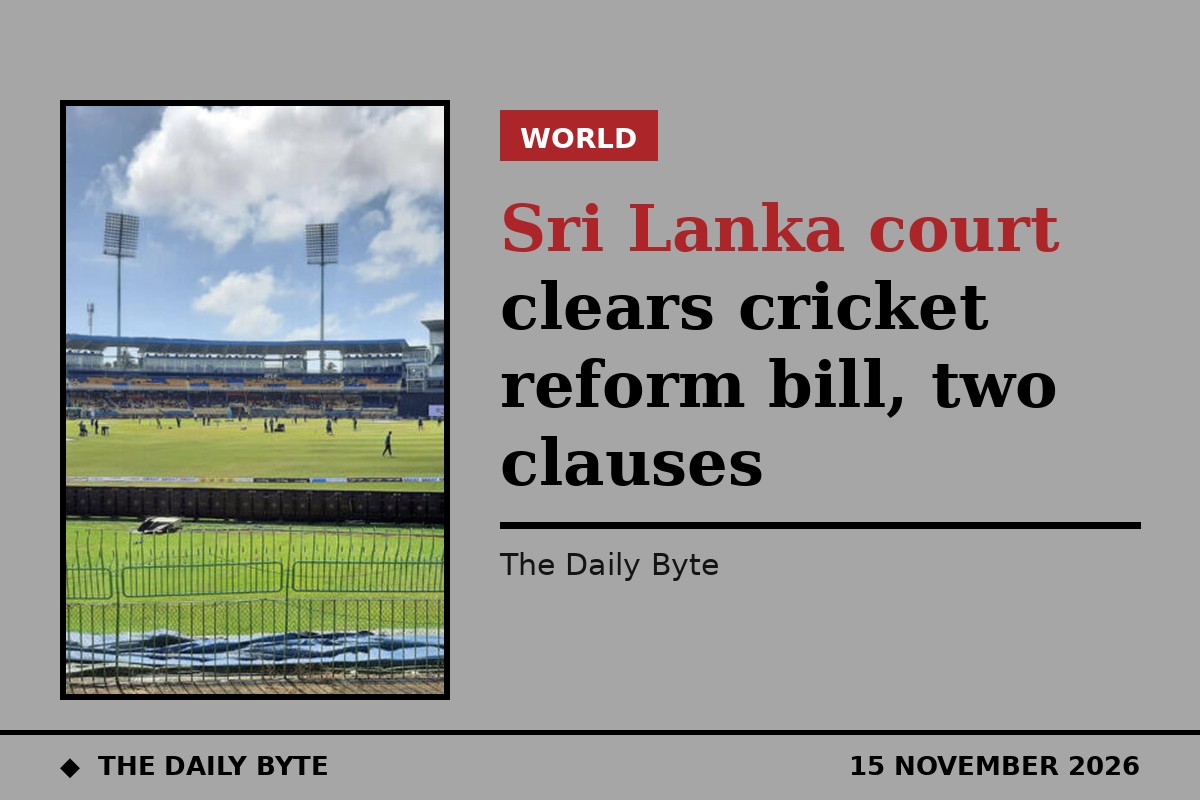
Sri Lanka's Supreme Court has ruled that almost all provisions of the proposed Sri Lanka Cricket reform bill are consistent with the Constitution, clearing the way for major changes to the administration of cricket in the country.
Only two clauses need amendment, the court found. Speaker of Parliament Jagath Wickramaratne informed the House of the court's determination on 12 November, after petitions challenging the legislation had been heard.
The ruling does not make the bill law. Parliament must still pass it, but the court's determination sets out how it can proceed.
Two clauses need fixing
The court found that Clause 29 of the bill infringed Article 14(1)(c) of the Constitution, which guarantees freedom of association, because it affected the membership rights of existing members of Sri Lanka Cricket. It also found that Clause 7(1) was inconsistent with Article 12(1), which provides for equality before the law, because it prevented certain people who had provided services relating to cricket from becoming directors.
The court accepted amendments to both clauses. Under the proposed change to Clause 29, existing members of Sri Lanka Cricket will become general members of the new institution and will have 30 days to apply for registration under the membership categories set out in the legislation. The amendment to Clause 7(1) will extend the restriction on directorial eligibility to people who have provided professional services to Sri Lanka Cricket.
If Parliament makes the two amendments at committee stage, the bill can be passed by a simple majority. Without them, the provisions in question would require a special two-thirds parliamentary majority.
A new board for Sri Lanka Cricket
The proposed legislation will establish a new statutory body, Sri Lanka Cricket, as the principal authority responsible for governing, regulating and developing the sport. It will be governed by a 14-member board comprising seven independent professionals and seven representatives elected by member clubs and provincial associations.
The bill will also introduce stronger oversight through audits by the Auditor General and a compliance officer, and cricket will be brought under a separate legal framework outside the Sports Law of 1973.
What happens next
Petitions had challenged the legislation, including one from former Sri Lanka Cricket president Thilanga Sumathipala, while former cricketers supported the reforms, which aim to address governance issues, boost accountability and reduce administrative and political interference in the sport.
The reform bill follows the resignation of Sri Lanka Cricket's elected administration in April 2026. It comes amid longstanding controversy over the administration of Sri Lanka Cricket, which has faced repeated allegations of financial mismanagement and governance failures.
Sources: New Kerala and Concilium Jurist.


