Sri Lanka unions stage nationwide protest over budget
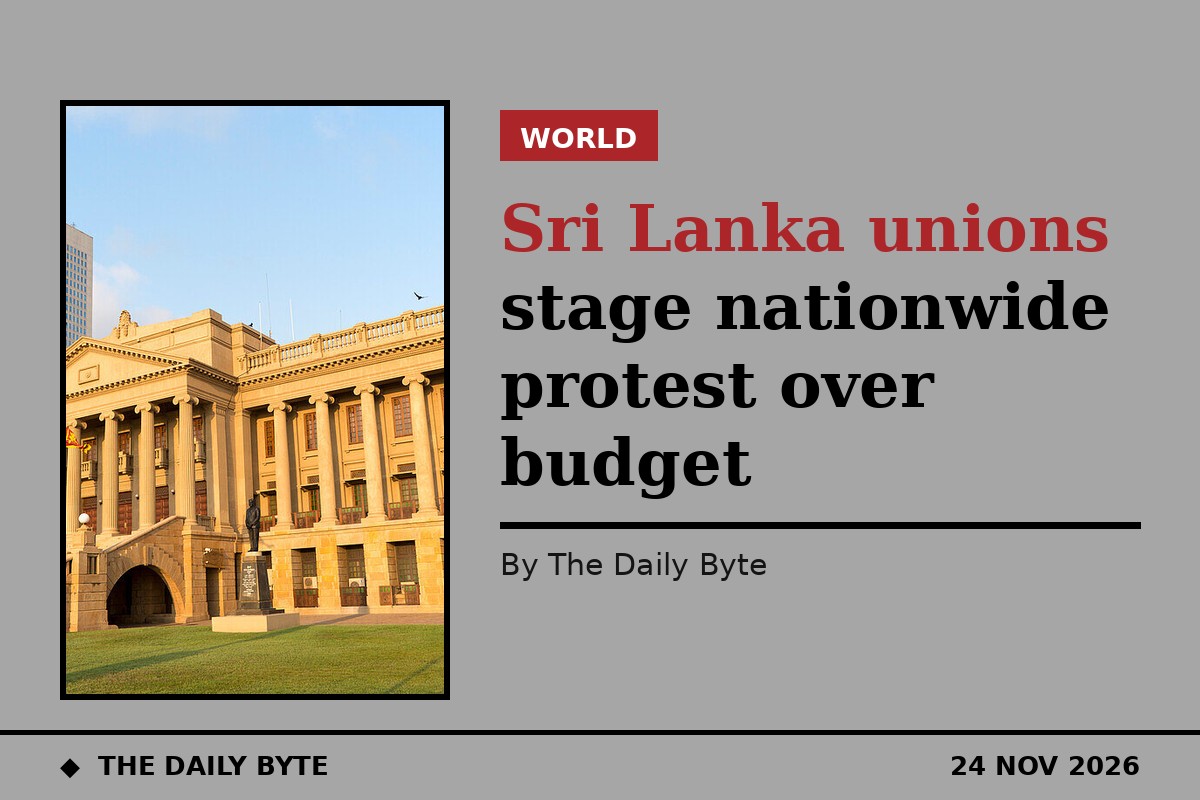
Public-sector unions across Sri Lanka staged a nationwide day of protest on Monday, 23 November, against the government's 2027 budget, demanding an interim allowance of Rs 25,000 for all state employees. Workers from a wide range of professions took part, from teachers and doctors to development officers and health staff.
The action was declared by several unions together, according to Asian Mirror. Development officers, management services officers, healthcare workers, technical officers, Samurdhi officers, teachers, principals and doctors were among those expected to join the protests outside government offices and hospitals.
Anuradha Senavirathna, general secretary of the All Ceylon Development Officers' Union, said the action was aimed primarily at securing the interim allowance. Unions say the budget presented by the government ignores the financial strain on ordinary workers as living costs rise.
Teachers and doctors take action
Teachers held a black protest, reporting for duty dressed in black, while doctors withdrew from routine duties for two hours, between noon and 2pm, while keeping emergency and essential services running. The Government Medical Officers Association said the two-hour withdrawal would run for a week from 23 November.
Education unions have warned of further action. Teachers' unions are planning an island-wide one-day strike on 30 November, by reporting sick leave, to press their case before parliamentary votes on the education budget conclude. Union leaders say close to 250,000 teachers could take part in further industrial action if no settlement is reached.
The dispute centres on pay. Teachers and principals are seeking the Rs 25,000 interim allowance and the remaining two-thirds of a salary increase they say was promised but has not been fully delivered. The government has confirmed a third phase of public-sector pay rises for January 2027, but unions say that does not settle the outstanding anomalies.
A budget under pressure
The protests follow the presentation of the government's third budget, delivered as a financial policy statement on 12 November by President Anura Kumara Dissanayake, who also serves as finance minister. Unions argue the spending plan makes no provision for the interim allowance or for resolving long-standing salary disparities.
The government has pointed to a salaries commission that is due to report next year, and has asked workers to wait for its findings. That answer has not satisfied the unions, which say the allowance is needed now, with inflation running at 8.3 percent in October after currency depreciation.
The economic backdrop has sharpened the argument. The central bank raised its overnight policy rate by 25 basis points to 9 percent on 20 November and lifted the statutory reserve ratio from 2 percent to 3 percent, with the change due to take effect on 9 December. The bank now expects inflation to rise above 9 percent before easing back to its 5 percent target in late 2027.
Opposition MPs have also challenged the rate rises in parliament, arguing they will push up the cost of government borrowing and hurt small businesses. The government has said it needs more time to obtain information from the relevant agencies before responding.
For now, neither side has shifted. The unions have a further strike date set for 30 November, and the budget debate continues in parliament, where the committee stage of the 2027 Appropriation Bill is under way. The protest on 23 November showed the scale of the discontent; whether it moves the government will be tested in the days ahead.


