Sudan Tribes End Nine-Year Haidob Port Dispute
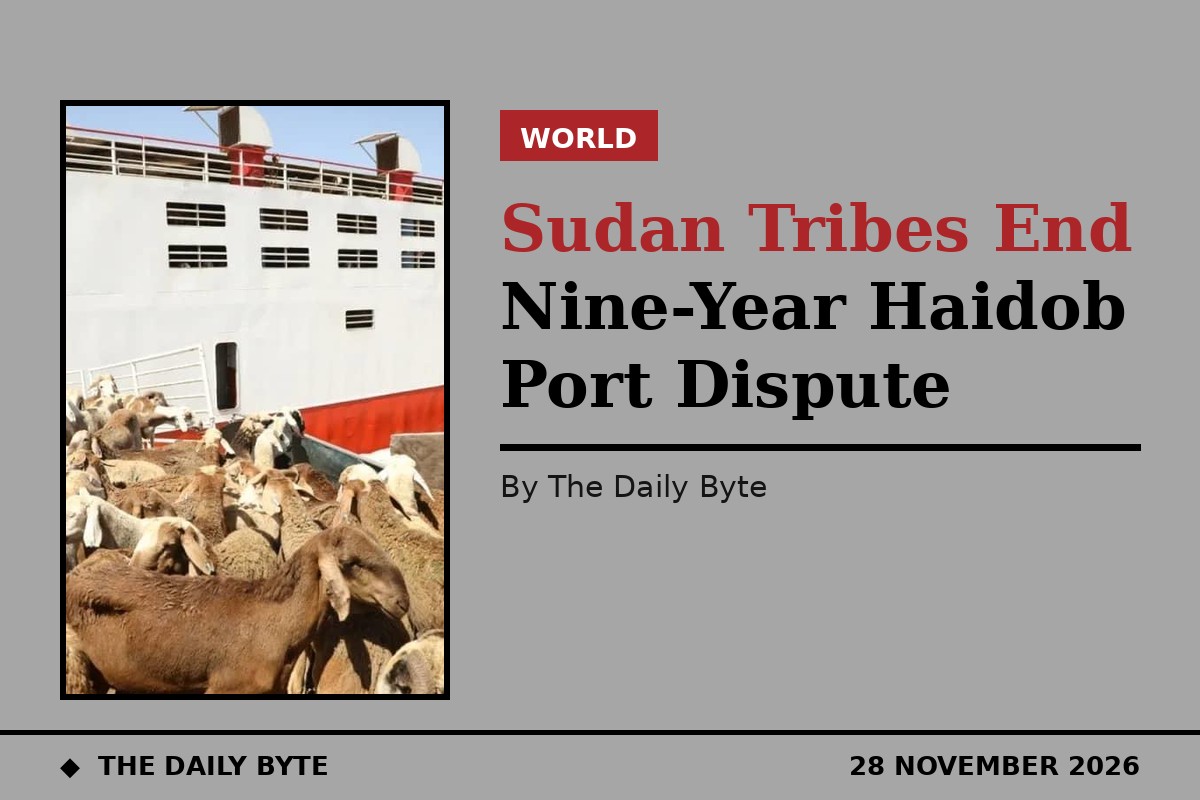
Two tribal communities in eastern Sudan have reached an agreement to end a nine-year dispute over the Haidob livestock export port near Suakin, in a deal the country's military-led government hopes will revive trade on the strategically important Red Sea coast.
Red Sea State Governor Mustafa Mohammed Nour announced on Friday that the Samarar and Kameilab tribes had reached an understanding over the operation of the port, which has been at the centre of a dispute dating back to 2017. The announcement coincided with a visit to eastern Sudan by the head of the Sudanese Armed Forces (SAF), Abdel Fattah al-Burhan, who held meetings with tribal leaders, community representatives and traditional authorities to discuss development projects and public services.
Jobs and export revenue
Burhan welcomed the agreement, saying that operating the port would generate employment opportunities for local communities and increase revenues from Sudan's livestock exports. Sudan's state news agency, SUNA, reported that Burhan thanked the leaders of the Native Administration in eastern Sudan for their role in supporting national causes and commended the agreement reached among the social components on the operation of Haidob Port, which is designated for livestock exports in Suakin.
Mohammed Ahmed al-Amin Tirik, the paramount chief of the Hadendowa tribe, said Burhan's visit to Port Sudan and Suakin focused on addressing longstanding problems facing residents of eastern Sudan, particularly deficiencies in public services. He said the ports of Port Sudan and Suakin would benefit all the people of Sudan.
Mediation behind the deal
Governor Nour attributed the reported settlement to mediation involving government institutions, traditional authorities, tribal representatives and youth leaders. He also credited Sovereignty Council member Nawara Abu Mohammed with helping bridge differences between the two communities.
However, the announcement provided no detailed information about the terms of the agreement, outstanding compensation claims, revenue-sharing arrangements or a timetable for the port becoming fully operational. That leaves the practical effect of the deal uncertain until the authorities publish the details.
A dispute rooted in land and compensation
The dispute has historically centred on competing land claims and demands for compensation from local communities. In August 2022, Kameilab activists staged a prolonged sit-in at Haidob, demanding that the Sea Ports Corporation honour an agreement to compensate residents for land used to construct the facility. The dispute also triggered violence between members of the rival communities, leaving several protesters injured.
Constructed by the China Harbour Engineering Company in 2020, Haidob was designed to facilitate exports of cattle, camels and sheep to international markets. The port has struggled to reach its full operational capacity, while Sudanese livestock exporters have also faced rising taxes, administrative fees and transportation costs since the outbreak of war in April 2023.
Trade lifeline during war
The latest agreement comes as the SAF government seeks to maintain economic activity and secure export revenues amid Sudan's continuing war and economic crisis. Livestock is one of the country's established export earners, and a working port at Haidob would give traders a dedicated outlet on the Red Sea coast.
Neither the Rapid Support Forces (RSF) nor the Sudan Founding Alliance had issued a publicly identifiable response to the announced agreement at the time of reporting. Whether the deal holds will depend on the compensation and revenue questions that the announcement left unanswered.


