Tariffs cut on 100+ foods to ease weekly shop
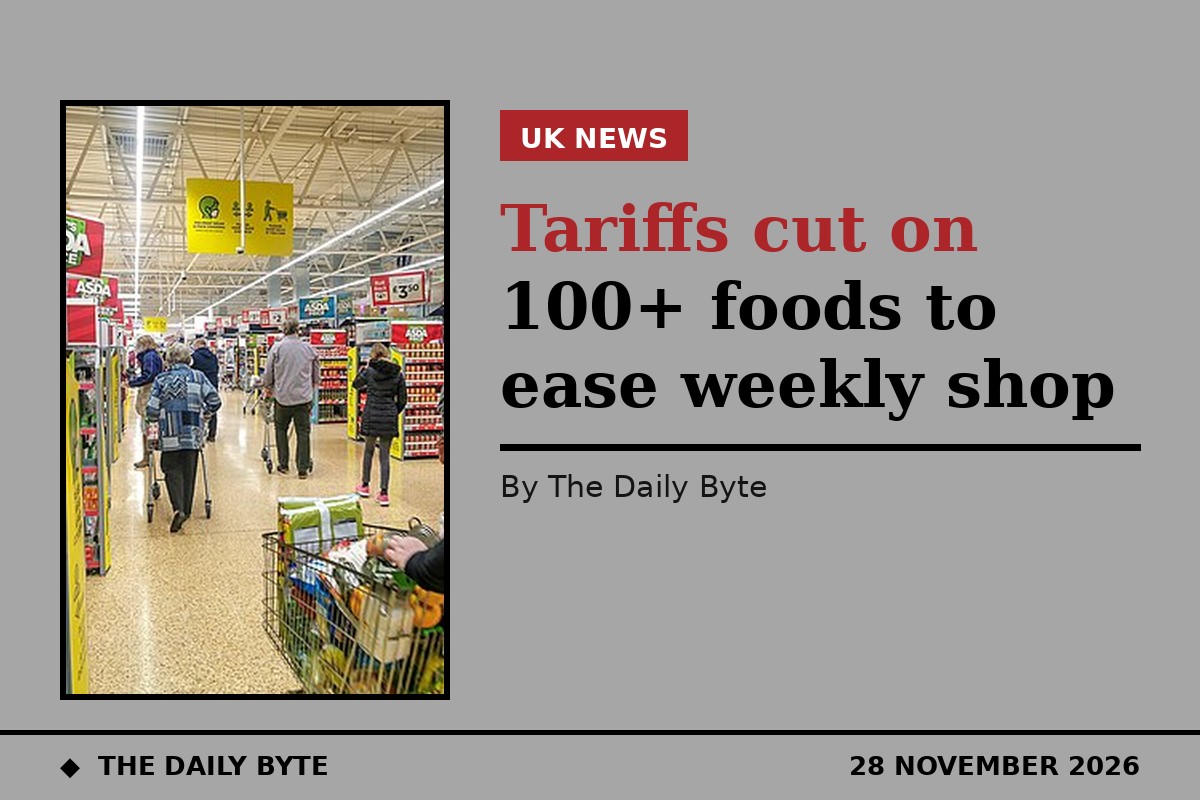
Import tariffs on more than 100 everyday products were suspended on Thursday 26 November, in a government move aimed at easing the cost of the weekly shop.
The Treasury said tariffs would fall to zero on 101 food products, alongside fertilisers for farmers and kerosene used as heating oil. The changes, first announced by the Chancellor at last month's Budget, are expected to cut consumer costs by up to £185 million a year, with lower-income households expected to benefit most. The government's own estimate puts the benefit to consumers at between around £120 million and £185 million a year.
What is covered
Among the products affected are baked beans, previously taxed at 16 per cent, chocolate at 8 per cent, aubergines at 12 per cent, and garlic, which carried a rate of 8 per cent plus £100 per 100 kilograms. Citrus jams, marmalades and pastes lose a rate of 20 per cent plus £19 per 100 kilograms. Throat pastilles and cough drops, boiled sweets, toffees and caramels, plant-based drinks and chocolate-coated wafers, each carrying an 8 per cent tariff, are also covered.
The suspensions will remain in place until December 2028, except for fertiliser tariffs, which are suspended until December 2027 and will be reviewed before they expire. Kerosene, which carried a 4 per cent tariff, is suspended until December 2028; the government said some households use it as heating oil, including a majority in Northern Ireland. The suspensions do not apply to VAT or to trade remedy duties such as anti-dumping duty, and imports from Russia and Belarus are not eligible.
How much will shoppers save?
Chancellor John Healey said families were still feeling the impact of global conflicts on the weekly shop, and that removing tariffs on more than 100 products would help bring down food costs and put up to £185 million a year back into families' pockets. The package builds on a first set of suspensions that came into force on 21 June, covering some fruits, fruit juices, pasta, couscous and tuna. Together, the government says, the June and November packages are expected to cut consumer costs by up to £595 million a year.
Not everyone is convinced shoppers will feel the difference. Experts quoted by Edinburgh Live said the Treasury's figure works out at no more than 12p a week for the average UK household, and that cutting tariffs on ingredients such as cocoa paste moves final prices by fractions of a penny. Some bakery lines, including rusks, toasted bread products and biscuits, were excluded from the package because of concern for domestic producers, as were bananas and dried apples. The government said a highly competitive grocery sector would give supermarkets reason to pass the cost reductions on to customers.


