Ternium Weighs New Mexico Steel Cases Amid US Trade Strain
Latin American steelmaker Ternium is weighing further anti-dumping cases in Mexico to push back against cheap steel imports, above all from Asia, its chief executive has told Reuters, as disputes over steel complicate wider trade talks with the United States.
Maximo Vedoya said in an interview on Tuesday that the company would "very likely" bring more cases after supporting recent petitions in Mexico. Ternium has acted as the petitioner in several Mexican cases against Asian steel shipments in recent years, and Vedoya made clear the campaign is far from over.
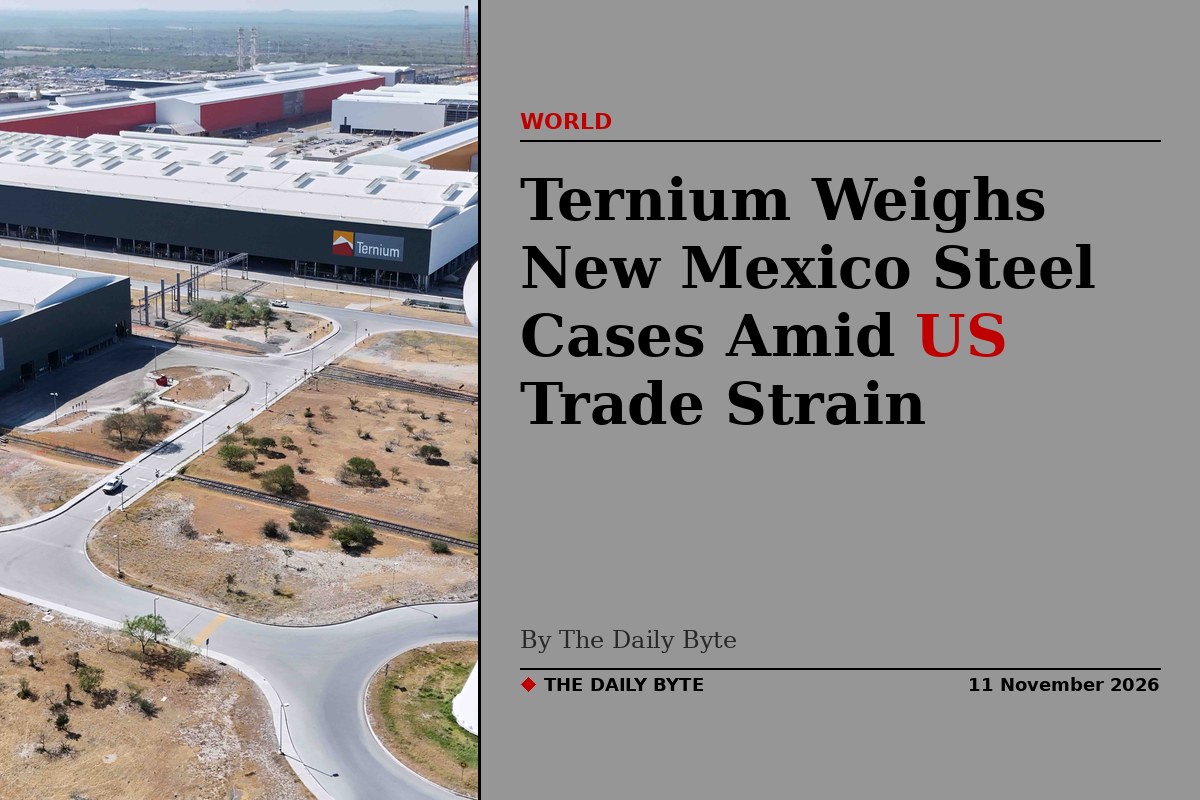
The push is part of a broader effort to win back market share at home. Ternium wants to replace imported flat steel with steel made in Mexico, and the centrepiece of that plan is a major new slab mill at Pesqueria, just outside the industrial hub of Monterrey and close to the US border.
Pesqueria mill at the centre of the plan
The Pesqueria project is due to start production in February 2027. Vedoya cautioned that it would take time to deliver its full benefit, because the sophisticated products it will make require certification and a lengthy ramp-up before customers can use them.
Ternium has told investors that the main gains should become visible in 2028. Using slab produced at Pesqueria rather than imported slab could add between $50 and $100 per tonne in margin, the company has said, a measure of how much the project matters to its Mexican business.
The timing matters because the mill is being built to serve a domestic market that Ternium believes has been undercut by imports priced below fair value. Anti-dumping cases are the legal route through which the company is seeking to level that playing field, and Vedoya's remarks suggest more filings are on the way.
Steel and the USMCA review
Steel has become a central part of the trade agenda between the United States and Mexico, with the trilateral agreement with Canada due for review. Vedoya told Reuters that Mexico and the United States face the same challenge from unfairly priced steel, even though Ternium's own direct exposure to US tariffs is now limited because it has sharply reduced exports from Mexico to the United States.
For Vedoya, the more important issue for North America is tightening the rules of origin that decide where goods are deemed to come from, and easing the burden of US Section 232 tariffs, which apply to steel and aluminium, on regional trade. Both points are expected to feature in the coming review of the agreement.
The comments underline how trade friction over steel is now woven into the wider relationship between the two neighbours. Washington has used tariffs to press its partners on steel, while Mexican producers argue that the real pressure comes from imports from outside the region.
Brazil in focus
Vedoya also discussed Ternium's business in Brazil, where it holds a stake in steelmaker Usiminas. He said improving productivity at Usiminas was the focus today, while cautioning that its outlook for 2027 would depend in part on conditions in Brazil.
In February, Ternium and partner firms raised their controlling group stake in Usiminas to just under 93 percent, prompting speculation in August that the company might buy it outright. Vedoya gave no sign of such a move, saying: "Improving productivity (at Usiminas) is the focus we have today. There's no other focus there."
For now, the company's attention is on Mexico, where the Pesqueria mill and the anti-dumping campaign are two sides of the same strategy: defend the home market, and build the capacity to supply it.


